Next-Generation Gadgets: How Innovation Is Changing the Way We Use Technology
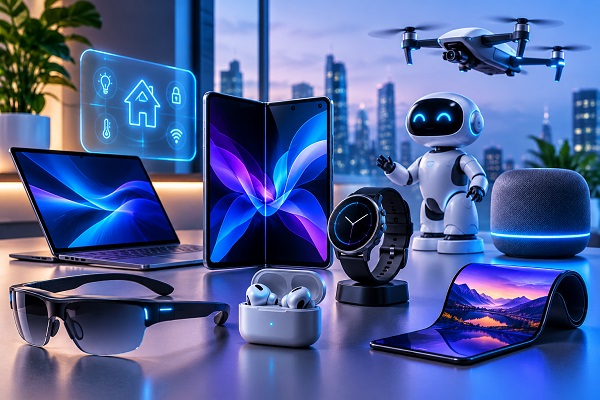
Consumer electronics are evolving beyond traditional smartphones and computers. A new generation of gadgets is introducing innovative ways to interact with technology, access information and simplify everyday tasks. From portable projectors and e-readers to digital accessories and smart display devices, manufacturers are exploring new product designs to meet changing consumer expectations.
Portable Gadgets Are Gaining Momentum
Portability has become an important factor in consumer electronics. Compact keyboards, wireless chargers, portable monitors and mini projectors are allowing users to access technology without depending on bulky equipment.
These devices are particularly useful for professionals, students and travellers who need flexible technology solutions. As manufacturers improve battery efficiency and reduce device sizes, portable gadgets are becoming more practical for everyday use.
Audio Technology Is Becoming More Advanced
The personal audio segment is witnessing continuous innovation. Wireless headphones, true wireless stereo (TWS) earbuds and portable Bluetooth speakers are offering improved sound quality, connectivity and user convenience.
Features such as active noise cancellation, spatial audio and multipoint Bluetooth connectivity are enhancing listening experiences. Consumers are also paying greater attention to microphone quality, comfort and battery performance when choosing audio products.
The Growing Demand for E-Readers and Digital Accessories
E-readers are creating an alternative to traditional reading through lightweight designs and electronic paper displays. Their screens are designed to provide a reading experience closer to printed pages while supporting digital libraries and adjustable text settings.
Other digital accessories, including styluses, docking stations and external storage devices, are also helping users expand the capabilities of their existing gadgets without purchasing entirely new systems.
Privacy and Security Are Becoming Buying Priorities
As gadgets become increasingly connected, consumer awareness around digital privacy and data security is growing. Devices equipped with cameras, microphones, location services and internet connectivity can collect sensitive information.
Manufacturers are responding through improved security features, software updates, encryption and privacy controls. Consumers should also review app permissions, use secure passwords and purchase devices from trusted manufacturers.
The Importance of Repairability and Product Value
Consumers are increasingly considering how long a gadget will remain useful before making a purchase. Battery replacement options, spare-part availability, software support and repair costs can significantly influence the overall ownership experience.
Rather than focusing only on launch specifications, buyers can benefit from evaluating durability, after-sales service and long-term usability. This approach can help reduce unnecessary spending and electronic waste.
What Will Shape the Next Gadget Revolution?
The gadget industry will continue evolving through improvements in connectivity, display technology, processing power and product design. Competition among manufacturers will encourage new features and more specialised devices across different price segments.
Ultimately, successful gadgets will be those that combine useful innovation with reliability, affordability and convenience. For consumers, understanding practical requirements and comparing long-term value will remain essential to making better technology purchases.