Microsoft Surface: Redefining the Future of Premium Computing
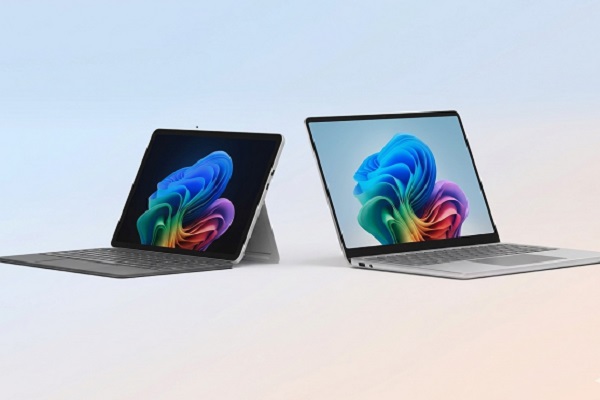
The Microsoft Surface lineup has become one of the most influential product families in the modern PC industry. Introduced by Microsoft in 2012, the Surface series was designed to showcase the best of Windows hardware through premium design, productivity-focused features, and seamless software integration. Over the years, the brand expanded from tablets into laptops, 2-in-1 devices, studios, and business-focused AI PCs, helping Microsoft compete directly with Apple’s MacBook ecosystem.
One of the biggest developments in the Surface lineup has been Microsoft’s aggressive push into AI-powered computing. The newest Surface devices are part of the company’s “Copilot+ PC” initiative, integrating dedicated neural processing units (NPUs) that can handle advanced AI workloads directly on the device. These chips allow features such as real-time translation, AI-assisted image generation, intelligent search, and automated productivity enhancements without relying entirely on cloud computing.
The latest Microsoft Surface Laptop models feature slimmer designs, longer battery life, and improved ARM-based processors developed in partnership with Qualcomm. Microsoft claims these new Snapdragon-powered Surface devices offer significantly better efficiency and AI performance compared to earlier Intel-powered versions. Early benchmarks suggest the latest Surface models can compete with premium ultrabooks while delivering all-day battery life for professionals and students.
Meanwhile, the Microsoft Surface Pro continues to dominate the premium detachable category. Combining the portability of a tablet with the productivity of a laptop, the Surface Pro remains popular among creatives, remote workers, and business users. The newest versions include OLED displays, enhanced haptic keyboards, upgraded webcams, and AI-enhanced video conferencing features designed for hybrid work environments.
Microsoft has also expanded the Surface ecosystem with accessories and enterprise solutions. Products such as the Surface Dock, Surface Pen, and adaptive accessories improve workflow flexibility and accessibility. Business customers now benefit from enterprise-grade security integration with Windows 11, cloud management tools, and AI-powered collaboration features that align with modern workplace demands.
A major focus for Microsoft in recent years has been sustainability and repairability. Newer Surface devices include more replaceable components, recycled materials, and energy-efficient hardware designs. Microsoft has faced criticism in the past for difficult-to-repair devices, but recent generations show a noticeable shift toward modularity and environmentally conscious manufacturing practices.
The Surface lineup has also become increasingly important in the education sector. Lightweight designs, touchscreen functionality, digital inking, and integration with Microsoft 365 tools make Surface devices attractive for schools and universities. Features such as handwriting recognition and cloud synchronization continue to enhance digital learning experiences for students worldwide.
Competition in the premium PC market remains intense, especially from devices like the Apple MacBook Air and high-end Windows ultrabooks from companies like Dell, Lenovo, and HP. However, Microsoft differentiates Surface devices through tight hardware-software optimization and direct integration with Windows AI features. Analysts believe Surface products now serve not only as consumer devices but also as reference hardware shaping the future direction of the Windows ecosystem.
As artificial intelligence transforms personal computing, the future of Microsoft Surface appears closely tied to AI innovation and hybrid productivity. With continued investment in ARM processors, on-device AI, cloud integration, and premium design, Microsoft aims to position Surface as the next generation of intelligent computing devices. The brand’s evolution reflects a broader shift in the technology industry toward smarter, more adaptive, and highly personalized computing experiences.