Metals & Mining: Aluminum smelters in the crossfire by Kotak Institutional Equities
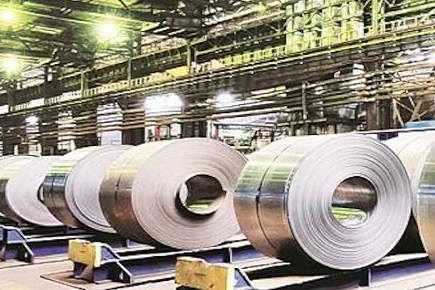
Aluminum smelters in the crossfire
Announcements of force majeure in the Middle East by Hydro and Alba within two days, less than a week since the war, point to the vulnerability of the aluminum supply chain in GCC (six nations in Gulf). GCC forms 8-9% of global aluminum production and exports ~75% of its volumes or ~6.5% of global demand. The smelters are largely dependent on imports of alumina/bauxite from the Strait of Hormuz. Thus, both the raw materials and fuel for electricity remain vulnerable. We see a significant upside risk to deficit/price estimates for LME Aluminum. Indian producers are well placed with a largely local supply of raw materials/fuel. Our pecking order is VEDL>NACL>HNDL.
Qatalum/Alba’s force majeure signals signs of looming supply risks
Qatalum’s 0.65 mtpa aluminum smelter has initiated a controlled shutdown on March 3, after issuing a force majeure to customers given the forthcoming suspension of gas supply by Qatar Energy. Additionally, Alba (Aluminum Bahrain: 1.65 mtpa) has also declared force majeure on contract deliveries due March 4 due to the effective closure of the Strait of Hormuz, despite continuing production. Qatalum closure is expected to be completed by the end of the month, while a full restart could take 6-12 months, with restart timing uncertain.
Disruption risk at multiple layers of aluminum supply chain
Smelters in GCC region are vulnerable to fuel supply disruptions for electricity supply, demonstrated by the Qatalum closure notice. Further, majority of smelters in GCC are not integrated for bauxite/alumina and use the Strait of Hormuz to import. This is further exaggerated by alumina’s limited suitability for long-term storage. Even though the Strait of Hormuz is not officially closed, longer waiting times, logistical bottlenecks and a sharp jump in insurance and freight costs should impact aluminum shipments from the GCC region.
GCC produces 9% of global supply, exports ~6.5% of global demand
The GCC, along with Iran, has ~7 mtpa smelting capacity and operates at 90%+ utilization with ~6.8 mn tons of production in 2025. The GCC forms ~21%/8.5% of world ex-China/global production and is the largest net exporter of primary aluminum given its status as a large production hub and a key supplier given its central location. GCC exports ~75% of its production, which forms ~6.5% of global demand. GCC further forms 22%/31% of total aluminum imports to the US/Europe, which can further escalate local physical premiums.
Supply shocks likely to exacerbate deficits; Indian producers in a sweet spot
We estimated the Ali market to remain in deficit over CY2026-28E before the war in Iran and now see significant upside risk to our deficit estimates. Our base case estimate for LME Aluminum is US$2,900/ton for FY2027-28E, which is 14% below spot prices (US$3,300), and a prolonged war scenario poses upside risk for both spot and our base case estimates. VEDL/NACL/HNDL FV at spot prices would be 50%/10%/11% higher versus CMP for FY2028E. At current valuations, factoring in the sensitivity and bottom-up investment thesis, our pecking order is VEDL>NACL>HND
Above views are of the author and not of the website kindly read disclaimer