Jeera trading range for the day is 19260-19940 - Kedia Advisory

Gold
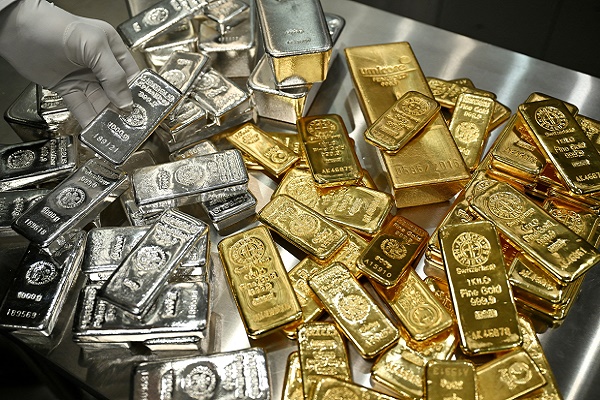
Gold prices settled higher by 0.58% at 1,60,006 as easing U.S. Treasury yields and persistent geopolitical uncertainty supported safe-haven demand. Hopes for a possible resolution to the Iran conflict pressured crude oil prices and reduced inflation concerns, leading to a decline in benchmark U.S. bond yields after they touched their highest level since January 2025. However, market sentiment remained cautious as tensions in the Middle East continued to disrupt regional stability and supply chains. Minutes from the April 2026 FOMC meeting showed that a majority of Federal Reserve officials remained concerned about inflation staying persistently above the 2% target, with several policymakers favoring removal of easing-bias language from future policy guidance. CME FedWatch data indicates markets are pricing an 89.6% probability of unchanged rates in June and nearly a 48.6% chance of a rate hike by December. Gold continued to receive strong structural support from central bank buying and investment demand. Goldman Sachs revised its estimate for central bank purchases higher to around 60 tonnes per month through 2026, citing continued reserve diversification amid geopolitical risks. Meanwhile, India witnessed a sharp shift toward investment demand, with gold investment demand rising 52% year-on-year to 82 tonnes during the March quarter, surpassing jewellery demand for the first time on record. Total Indian gold consumption rose 10.2% to 151 tonnes. Globally, gold demand increased 2% year-on-year to 1,230.9 tonnes during Q1 2026, supported by stronger bar and coin demand along with steady central bank purchases. Technically, the market is witnessing short covering as open interest declined 8.51% to 5,935 lots while prices gained sharply. Support is seen at 1,58,520 followed by 1,57,030, while resistance is likely at 1,60,940 and 1,61,870 levels.
Trading Ideas:
* Gold trading range for the day is 157030-161870.
* Gold prices edged up as hopes for a resolution to the Iran conflict pressured oil markets, relieving some inflation fears.
* Trump again says the war with Iran would end "very quickly"
* Investors see 48.6% chance the Fed could raise rates in December
Silver
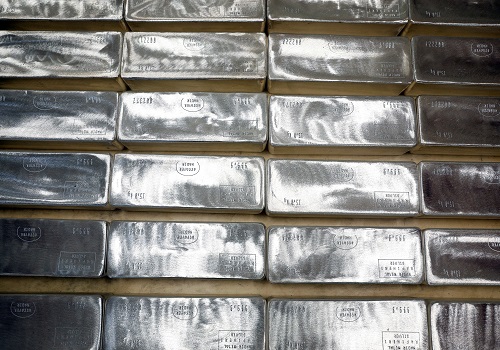
Silver prices settled sharply higher by 1.53% at 2,74,265 supported by easing U.S. Treasury yields and persistent geopolitical uncertainty surrounding stalled U.S.-Iran negotiations. The decline in U.S. bond yields from recent multi-month highs improved sentiment for precious metals, while concerns over potential escalation in the Middle East continued to support safe-haven buying interest. Philadelphia Fed President Anna Paulson stated that monetary policy remains “mildly restrictive” and indicated that an appropriate rate increase could be considered if inflation risks persist or economic growth exceeds expectations. Market expectations for tighter monetary policy have strengthened, with CME FedWatch data now indicating nearly a 48.6% probability of a 25-basis-point Federal Reserve rate hike by December. Strong physical demand from China also provided major support to silver prices. China’s March silver imports surged to a record 836 metric tonnes, almost triple the historical March average, driven by aggressive retail investment demand and large-scale stockpiling by the photovoltaic industry ahead of export tax rebate changes. Elevated domestic silver prices in China encouraged global arbitrage shipments, particularly through Hong Kong. Meanwhile, London vault silver holdings declined marginally by 0.1% to 27,454 tonnes at the end of April 2026. In India, the government imposed immediate restrictions on imports of silver bars with 99.9% purity and semi-manufactured silver products to control rising imports and reduce pressure on the rupee. The move is expected to tighten domestic supplies and potentially increase local premiums. India’s silver imports had surged significantly during the previous fiscal year, with investment demand and strong ETF inflows driving consumption. Technically, the market is under fresh buying as open interest increased 0.14% to 9,114 lots alongside strong price gains. Support is seen at 2,68,645 followed by 2,63,025, while resistance is likely at 2,78,090 and 2,81,915 levels.
Trading Ideas:
* Silver trading range for the day is 263025-281915.
* Silver rebounds as US Treasury yields pull back from recent multi-month peaks.
* Fed’s Paulson said that policy is “mildly restrictive” and that such restrictiveness is helping to keep inflation pressures in check.
* Markets are increasingly pricing in the likelihood of a Fed rate hike by year-end.
Crude oil
Crude oil prices settled sharply lower by 5.62% at 9,463 as market participants turned cautiously optimistic over potential US-Iran diplomatic progress, reducing the immediate geopolitical risk premium. Although President Trump indicated that the conflict could end “very quickly,” he also warned of possible renewed strikes if negotiations fail, keeping uncertainty elevated. Iran’s threat to widen the conflict if US and Israel resume attacks continued to support underlying risk concerns, but overall sentiment leaned toward easing tensions. Despite this, strategic disruptions in the Strait of Hormuz remain a key supply risk, with the route still partially constrained even as limited vessel movement has resumed. On the supply side, global crude dynamics showed mixed signals. Saudi Arabia’s crude exports fell to a record low of 4.974 million barrels per day in March, while production also hit multi-year lows, reflecting coordinated output restraint. In the US, Energy Information Administration data showed a sharper-than-expected crude inventory draw of 7.9 million barrels, alongside a 1.5 million barrel decline in gasoline stocks, although distillate inventories rose by 372,000 barrels. Refinery utilization edged slightly lower, indicating stable but slightly weaker processing activity. Macro outlook remained pressured as OPEC revised down its 2026 global oil demand growth forecast to 1.17 million barrels per day from 1.38 million, citing weaker consumption expectations amid geopolitical uncertainty. However, OPEC still expects demand to recover in 2027. Citi and Wood Mackenzie highlighted wide divergence in price scenarios, with upside risks ranging from $120 to even $200 per barrel if the Strait of Hormuz faces prolonged disruption. Technically, the market is witnessing long liquidation as open interest dropped sharply by 17.46% to 13,541 while prices fell significantly. Support is placed at 9,198 followed by 8,934, while resistance is seen at 9,915 and 10,368 levels.
Trading Ideas:
* Crudeoil trading range for the day is 8934-10368.
* Crude oil fell as traders grew cautiously optimistic that the US and Iran could eventually reach an agreement.
* US President Trump said the conflict with Iran could end “very quickly”.
* Reports indicated that three supertankers carrying crude departed the Strait on Wednesday.
Natural gas
Natural gas prices declined 2.67% to 291.4 amid expectations of weaker demand, elevated storage levels, and reduced LNG feedgas flows during seasonal maintenance. Supply-side pressure increased as flows to key US LNG export terminals eased from a record 18.8 bcfd in April to around 17.0 bcfd in May, impacted by planned maintenance at facilities including Golden Pass and Freeport LNG. Additional sentiment pressure came from forecasts indicating softer consumption trends alongside robust production growth expectations in the US. Storage fundamentals remain comfortable, with inventories on track to end the 2026 summer injection season at around 3.945 tcf, near multi-year highs and above both last year and the five-year average. The latest EIA data showed a 85 bcf injection, broadly in line with seasonal norms, taking total stocks to 2.290 tcf, which is 2.3% higher year-on-year and 6.5% above the five-year average. On the supply front, US gas production continues to expand, with EIA projecting output to rise from a record 107.7 bcfd in 2025 to 110.6 bcfd in 2026 and further to 115.0 bcfd in 2027, while demand is expected to decline in 2026 before recovering later. However, some supportive factors emerged from LNG trade flows, as reports indicated that three US LNG cargoes are expected to arrive in China in June, marking the first such shipments since early 2025. Additionally, Goldman Sachs noted emerging price sensitivity in US dry gas production as Henry Hub trades above $3/MMBtu, suggesting that higher prices could eventually moderate supply growth. Technically, the market is under long liquidation as open interest dropped sharply by 33.86% to 16,109 lots alongside price weakness. Support is seen at 286.4 followed by 281.5, while resistance is placed at 299.8 and 308.3 levels.
Trading Ideas:
* Naturalgas trading range for the day is 281.5-308.3.
* Natural gas dropped on forecasts for less demand than previously expected, ample amounts of fuel in storage.
* U.S. natural gas output will rise to a record high in 2026, while demand will decline.
* U.S. natural gas storage is on track to end the April-October summer injection season at a 10-year high of 3.945 tcf on October 31, 2026.
Copper
Copper prices settled higher by 1.08% at 1352.05 supported by supply-side concerns and improving geopolitical sentiment amid hopes of easing tensions in the Iran conflict. Additional support came after Chile revised its production outlook, projecting a 2% decline in output for the year compared to earlier expectations of 3.7% growth, highlighting tightening mine supply conditions. Despite weaker macro signals, downside remained limited due to structurally tight inventories, strong demand from electrification, power grids, and AI-linked infrastructure, particularly in China. On the demand side, China’s industrial production rose 4.1% year-on-year in April, missing expectations and slowing from March levels, indicating softer near-term activity. However, copper imports into China increased, with unwrought copper imports rising to a seven-month high of 452,000 metric tons, reflecting sustained end-user demand. Strong investment in power grid infrastructure, which rose 37% year-on-year in Q1 2026, continued to be a key demand driver. At the same time, refined copper output in China hit record levels, while concentrate imports declined, highlighting tightening upstream supply conditions. Inventory trends also remained supportive, with Shanghai Futures Exchange stocks falling and Yangshan premiums rising sharply since February. On the supply front, global balance indicators showed a shift toward surplus conditions in the medium term, with the International Copper Study Group projecting a 96,000-ton surplus in 2026 and a larger surplus in 2027, driven by slower demand growth and rising secondary production. However, mine disruptions in Chile, Indonesia, and the DRC continue to constrain near-term supply expansion. Technically, the market is witnessing short covering as open interest declined by 4.39% to 8,801 lots while prices gained. Support is placed at 1,337.5 followed by 1,323, while resistance is seen at 1,361 and 1,370 levels.
Trading Ideas:
* Copper trading range for the day is 1323-1370.
* Copper prices edged higher on hopes that the Iran war was nearing an end and after Chile cut its production outlook.
* Copper was supported by news that Chile, cut its production forecast, saying it would fall 2% this year.
* Copper stocks in warehouses monitored by the SHFE are falling and the Yangshan copper premium is up 260% since February.
Zinc
Zinc prices settled higher by 1.12% at 370.4 supported by tightening global supply conditions following multiple operational disruptions in key producing regions. The market was driven by the temporary suspension of operations at Nexa Resources’ Cajamarquilla smelter in Peru after a fire damaged critical infrastructure, along with reduced output at Glencore-owned Kazzinc plants in Kazakhstan due to an explosion. These disruptions added to an already tight supply outlook, with the International Lead and Zinc Study Group projecting a refined zinc market deficit of 19,000 tons for the year. Supply-side fundamentals remain constrained as zinc inventories at LME warehouses stand at 110,875 tons, equivalent to less than three days of global consumption, highlighting structurally tight visible stocks. Although the cash-to-three-month spread currently reflects a $19 per ton discount, indicating limited immediate physical tightness, concentrate supply conditions remain supportive. Declining treatment charges and a 12,100 mt week-on-week fall in port inventories further confirm tightening raw material availability. On the demand side, sentiment is moderately supported by improving industrial activity in China, although broader macro uncertainty linked to geopolitical tensions continues to weigh on outlook. The global zinc market surplus narrowed to 32,700 tons in March from 58,700 tons in February, indicating a gradual tightening balance, although a cumulative surplus of 89,000 tons was still recorded in Q1 2026. Goldman Sachs expects a small surplus this year but forecasts tightening conditions from 2027 onward as mine supply growth slows and demand expands by around 2% annually. Additional support came from expectations of stable industrial output in Asia, including planned increases in Japanese refined zinc production. However, upside remained capped due to rising SHFE inventories, which increased 2.9% week-on-week. Technically, the market is under short covering as open interest declined by 4.8% to 1,984 lots while prices gained. Support is seen at 367.1 followed by 363.7, while resistance is placed at 372.3 and 374.1 levels.
Trading Ideas:
* Zinc trading range for the day is 363.7-374.1.
* Zinc gained supported by tightening supply conditions following recent disruptions.
* The global zinc market surplus narrowed to 32,700 metric tons in March from a surplus of 58,700 tons in February.
* Zinc stocks on the LME are at 110,875 tons, equivalent to less than three days of global consumption.
Aluminium
Aluminium prices settled higher by 0.43% at 386.05 supported by persistent supply disruptions from the Middle East, which accounts for nearly 9% of global smelting capacity. Ongoing geopolitical tensions in the region continued to restrict output, with Gulf primary aluminium production falling sharply by 35% year-on-year in April to 330,000 metric tons, marking the weakest level in over a decade. Global primary aluminium output also declined 2.1% year-on-year to 5.922 million tonnes, despite a 1.5% rise in Chinese production, highlighting uneven global supply dynamics. Supply tightness was further reflected in market structure, with strong backwardation persisting and the premium for cash aluminium over the three-month contract rising to a 19-year high of around $84 per ton. Analysts continue to flag expectations of deep supply deficits, with Citi projecting inventories to fall to record lows over the next 6–12 months and a potential 2.7 million-ton global deficit this year even under moderate demand conditions. Major institutions including CRU, BOFA, and Citi expect aluminium prices to move toward or above $4,000 per metric ton between late 2026 and 2027. However, some counterbalancing factors limited upside. Shanghai Futures Exchange aluminium inventories rose 3.3% week-on-week, indicating short-term stock build-up. China’s output remained strong, increasing 3.1% in April to 3.87 million metric tons, supported by healthy smelting margins, while exports surged 15% year-on-year, reflecting competitive global positioning amid trade and supply disruptions. Imports also rose 6.9%, showing balanced but active trade flows. On the demand and logistics side, Middle East supply disruptions continued to support sentiment, although recovery at facilities like EGA’s Jebel Ali smelter indicated partial normalization. Japanese port inventories fell 10.8%, reinforcing tight regional availability. Technically, the market is witnessing short covering as open interest declined 2.2% to 2,715 lots while prices gained. Support is placed at 384.6 followed by 383, while resistance is seen at 387.3 and 388.4 levels.
Trading Ideas:
* Aluminium trading range for the day is 383-388.4.
* Aluminium gains propelled higher by disrupted supplies from the Middle East, which houses 9% of global smelting capacity.
* China's aluminium output rises in April, driven by strong profit
* Citi sees aluminium at $4,000/t over next 3 months
Turmeric
Turmeric prices settled higher by 0.67% at 16,012 amid continued tightness in physical supplies across key producing regions of Maharashtra and Telangana. Arrivals in major mandis have remained below normal despite the peak marketing season, while moisture-related quality issues and rhizome rot in low-lying areas reduced the availability of premium “Double Polished” export-quality stocks. Strong holding by farmers and stockists in Sangli and Nizamabad, expecting prices to move towards the ?18,000 level, also supported sentiment. Premium “Salem Fali” turmeric continued to command higher prices near ?20,000 per quintal in major trade centers. However, gains remained capped due to rising daily arrivals and increased liquidation by farmers seeking liquidity ahead of Kharif sowing activities. Late-harvested high-moisture turmeric arrivals triggered aggressive discounting in average-quality lots, while profit-booking by traders who accumulated stocks at lower levels during March added additional pressure. Export demand remained supportive, particularly from Bangladesh for finger-variety turmeric and from EU buyers seeking IPM-certified stocks. Industry estimates indicate carry-forward stocks at around 15 lakh bags compared to over 20 lakh bags last year, tightening overall availability. The Agriculture Ministry’s downward revision in production estimates to 1.140 million tons further strengthened bullish undertones. Export data showed turmeric exports during Apr-Feb 2026 increased marginally by 1% to 163,336 tonnes, while imports declined sharply by 40% to 12,476 tonnes. Technically, the market remains under fresh buying as open interest rose 0.75% to 20,075 lots along with price gains. Support is seen at 15,942 followed by 15,872, while resistance is placed at 16,090 and 16,168 levels.
Trading Ideas:
* Turmeric trading range for the day is 15872-16168.
* Turmeric gained as arrivals have remained lower than normal for this peak season, creating an immediate supply squeeze.
* Ongoing quality issues due to moisture (rhizome rot) in low-lying fields have reduced the availability of "Double Polished" export-quality turmeric.
* Farmers are liquidating stocks more rapidly this week to raise liquidity for upcoming Kharif sowing expenses, increasing the immediate supply.
* In Nizamabad, a major spot market, the price ended at 15553.1 Rupees gained by 0.5 percent.
Jeera
Jeera prices settled higher by 0.85% at 19,650 supported by concerns over crop quality and lower production estimates in key growing regions. Recent thunderstorms and hailstorms in Rajasthan damaged standing crops during the harvest stage, raising concerns about reduced availability of premium “A-grade” quality supplies. Unseasonal rains across North-West India also delayed drying and processing activities, creating temporary supply tightness in the spot market. In addition, the availability of high-quality “Sortex” grade carryover stocks is reportedly lower than last year, supporting premium pricing sentiment. However, upside remained capped due to rising arrivals from major Rajasthan producing centers and aggressive farmer selling ahead of the Kharif sowing season. Favorable weather conditions helped accelerate harvesting operations, resulting in a sharp supply inflow rather than the staggered arrivals anticipated earlier. Daily arrivals at Unjha mandi remained elevated near 28,500 bags, creating short-term oversupply pressure. Despite this, overall production prospects remain lower compared to last year. Industry estimates suggest national cumin production may decline to around 90–92 lakh bags against 1.10 crore bags last season due to reduced acreage and weaker yields. Gujarat production is estimated at 42–45 lakh bags, while Rajasthan production is projected at 48–50 lakh bags. Blight disease outbreaks in Gujarat further impacted crop quality and yield prospects. Expectations of stronger Chinese demand for stock replenishment continue to provide underlying market support. Export data showed jeera exports during Apr-Feb 2026 declined 15% to 166,536 tonnes compared to last year, although February exports rose 39% month-on-month. Technically, the market is witnessing short covering as open interest declined by 0.27% to 10,956 lots while prices gained. Support is seen at 19,450 and 19,260, while resistance is placed at 19,790 and 19,940 levels.
Trading Ideas:
* Jeera trading range for the day is 19260-19940.
* Jeera gained as recent thunderstorms and hail in Rajasthan have damaged the standing crop at the harvest stage, leading to fears of lower supply.
* Sudden unseasonal rains in North-West India delayed the drying and processing of the new crop, creating a temporary supply gap.
* While stocks exist, the percentage of high-quality "Sortex" grade carryover is lower than last year, supporting premium pricing.
* In Unjha, a major spot market, the price ended at 19830.45 Rupees dropped by -0.43 percent.
Views express by all participants are for information & academic purpose only. Kindly read disclaimer before referring below views