International Shopping Tourism: Discovering the World's Best Shopping Destinations, Luxury Malls and Markets
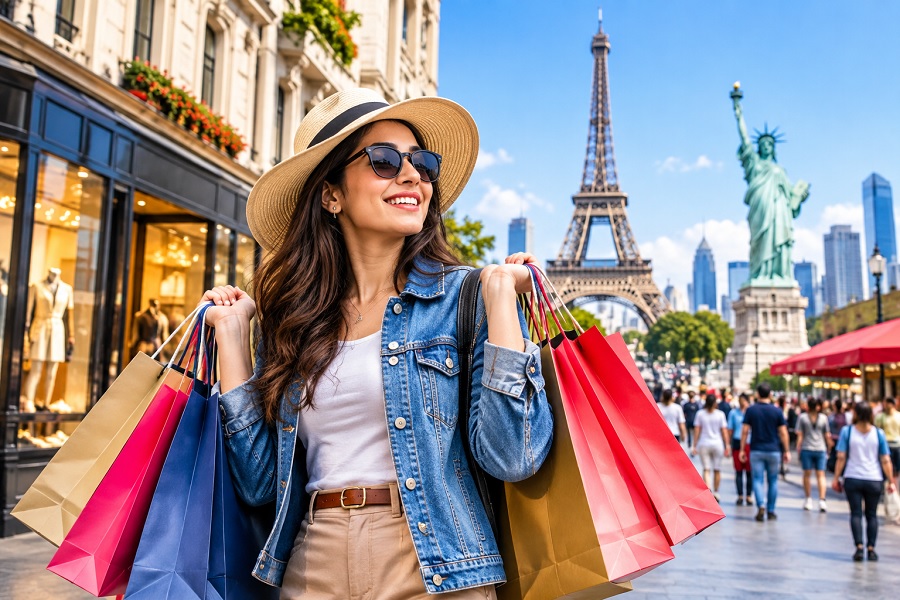
International Shopping Tourism: Exploring Famous Shopping Destinations and Retail Experiences
Introduction
International shopping tourism is an important segment of the global travel and tourism industry. It involves travelling to different countries to explore shopping destinations, purchase international brands, discover traditional products and experience unique retail cultures.
Shopping has become more than simply purchasing products. For many travellers, it is an opportunity to explore local lifestyles, discover regional craftsmanship, experience luxury retail centres and purchase memorable souvenirs.
From the luxury shopping streets of Paris and Milan to the traditional markets of Dubai, Bangkok and Istanbul, countries around the world offer different shopping experiences. International shopping tourism also supports retail businesses, hotels, restaurants, transportation services and local economies.
With the growth of international travel, digital shopping services and changing consumer preferences, shopping tourism is creating new opportunities for destinations and businesses worldwide.
1. What Is International Shopping Tourism?
International shopping tourism refers to travelling outside one's home country primarily or partly to enjoy shopping experiences.
Tourists may visit international destinations to purchase:
- Luxury fashion and designer clothing.
- Electronics and technological products.
- Jewellery and watches.
- Cosmetics and beauty products.
- Traditional handicrafts and souvenirs.
- Fashion accessories and footwear.
- Local food products and speciality items.
- Premium lifestyle products.
Shopping tourism includes visits to shopping malls, department stores, outlet centres, traditional markets, designer boutiques and famous retail streets.
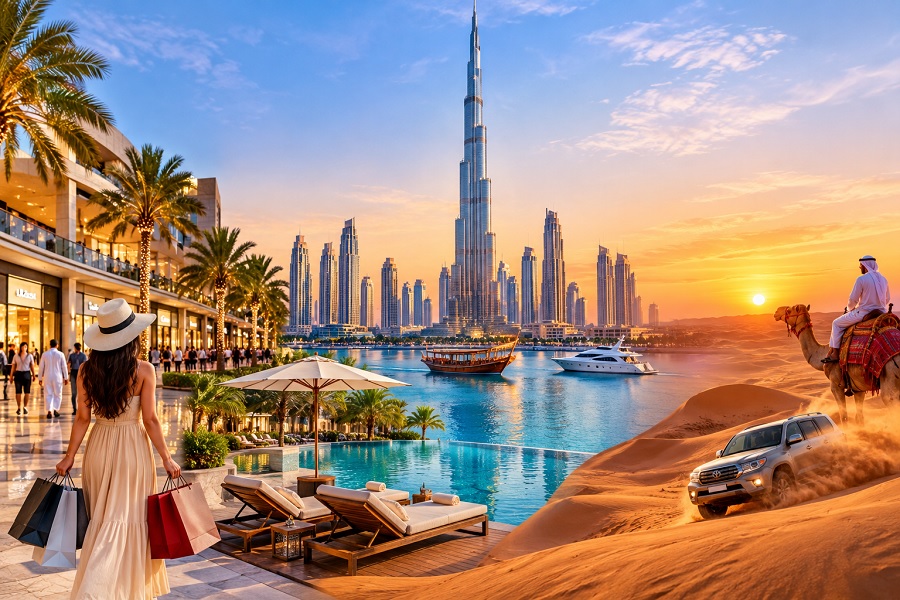
2. Dubai: A Global Shopping Destination
Dubai is one of the world's popular shopping destinations, attracting international visitors with luxury brands, modern shopping malls and traditional marketplaces.
Popular shopping attractions include:
- The Dubai Mall.
- Mall of the Emirates.
- Gold Souk.
- Dubai Spice Souk.
- Global Village.
Visitors can explore international fashion brands, jewellery, perfumes, electronics, traditional products and regional souvenirs.
The Dubai Shopping Festival also attracts visitors interested in retail promotions, entertainment and special shopping experiences.
3. Paris, France: Luxury Fashion and Designer Shopping
Paris is internationally recognised for fashion, luxury brands and designer retail experiences.
Famous shopping locations include:
- Champs-Élysées.
- Avenue Montaigne.
- Rue Saint-Honoré.
- Galeries Lafayette.
- Le Bon Marché.
Visitors can discover luxury fashion houses, perfumes, cosmetics, jewellery, accessories and French lifestyle products.
Paris is particularly attractive to travellers interested in fashion trends, premium shopping and European retail culture.
4. Singapore: Modern Shopping and Retail Experiences
Singapore offers a combination of modern shopping malls, international brands and local retail experiences.
Orchard Road is one of its most famous shopping areas. Other popular destinations include Marina Bay Sands Shoppes, VivoCity and Bugis Street.
International visitors can explore fashion, electronics, beauty products, lifestyle accessories and Singaporean souvenirs.
The city's convenient public transportation and organised retail infrastructure make shopping accessible for international tourists.
5. Bangkok, Thailand: Traditional Markets and Modern Malls
Bangkok attracts shopping tourists with its lively street markets, shopping centres and affordable retail products.
Popular shopping destinations include:
- Chatuchak Weekend Market.
- ICONSIAM.
- Siam Paragon.
- MBK Center.
- Platinum Fashion Mall.
Visitors can purchase clothing, accessories, handicrafts, souvenirs, home products and local speciality items.
Bangkok is particularly popular among travellers who enjoy exploring traditional markets and modern shopping centres.
6. London, United Kingdom: Fashion and Department Store Tourism
London offers diverse shopping experiences, from luxury fashion boutiques to famous department stores and traditional street markets.
Popular shopping locations include Oxford Street, Regent Street, Bond Street, Harrods and Covent Garden.
Tourists can explore British fashion, international brands, cosmetics, accessories, books, antiques and speciality products.
The city's shopping districts also provide opportunities to experience British culture and urban lifestyles.
7. Milan, Italy: Fashion and Luxury Retail Tourism
Milan is one of the world's important fashion destinations. It attracts travellers interested in designer clothing, luxury accessories and Italian craftsmanship.
Famous shopping areas include:
- Via Montenapoleone.
- Galleria Vittorio Emanuele II.
- Via della Spiga.
- Corso Buenos Aires.
- Brera shopping district.
Visitors can explore premium fashion collections, leather goods, footwear, jewellery and Italian design products.
8. Tokyo, Japan: Electronics, Fashion and Unique Retail Experiences
Tokyo offers a diverse retail environment combining traditional Japanese products, advanced electronics and modern fashion.
Popular shopping areas include:
- Ginza.
- Shibuya.
- Shinjuku.
- Akihabara.
- Harajuku.
Tourists can purchase electronics, gaming products, Japanese cosmetics, fashion accessories, stationery, traditional crafts and anime-related merchandise.
Tokyo's retail destinations are particularly attractive to visitors interested in technology and contemporary Japanese culture.
9. New York City, USA: Global Retail and Fashion Experiences
New York City is a major international shopping destination featuring luxury department stores, fashion boutiques, outlet shopping and speciality retail stores.
Fifth Avenue, SoHo, Madison Avenue and Times Square are among its popular shopping areas.
Visitors can explore American fashion brands, international designer collections, electronics, beauty products and lifestyle accessories.
The city also combines shopping with entertainment, restaurants and cultural attractions.
10. Hong Kong: Shopping Malls and Traditional Markets
Hong Kong is known for its busy shopping districts, modern malls and traditional street markets.
Popular shopping locations include Causeway Bay, Tsim Sha Tsui, Mong Kok and Harbour City.
Tourists can explore fashion, watches, jewellery, electronics, cosmetics and traditional souvenirs.
Hong Kong's combination of international retail brands and local markets provides different shopping experiences for visitors.
11. Istanbul, Türkiye: Traditional Bazaars and Modern Retail
Istanbul offers a unique combination of traditional shopping culture and contemporary retail experiences.
The Grand Bazaar and Spice Bazaar are among the city's most famous shopping attractions.
Visitors can discover:
- Turkish carpets and textiles.
- Ceramics and handmade products.
- Jewellery and accessories.
- Spices and traditional food products.
- Leather goods and souvenirs.
Shopping in Istanbul also provides an opportunity to experience Turkish craftsmanship and traditional marketplace culture.
12. Switzerland: Premium Watches and Luxury Products
Switzerland is known for luxury watches, premium chocolates, speciality products and high-quality retail experiences.
Bahnhofstrasse in Zurich is one of the country's best-known shopping streets. Geneva also attracts visitors interested in luxury watches and jewellery.
Shopping tourists can explore Swiss chocolates, watches, souvenirs, fashion and premium lifestyle products.
13. International Outlet Shopping Tourism
Outlet shopping has become an attractive option for international travellers who want to explore branded products at promotional prices.
Outlet centres often feature fashion, footwear, accessories, sportswear and lifestyle brands.
Popular outlet shopping destinations can be found in the United States, Italy, France, Japan and the United Kingdom.
These centres may also offer restaurants, visitor services and transportation facilities, making them suitable for half-day or full-day shopping trips.
14. Luxury Shopping Tourism
Luxury shopping tourism focuses on premium retail experiences and exclusive products.
Travellers interested in this segment often visit destinations known for designer fashion, jewellery, watches, cosmetics and luxury accessories.
Paris, Milan, London, Dubai, Singapore and New York are important destinations for luxury retail tourism.
Personal shopping assistance, exclusive collections, premium customer service and luxury retail environments contribute to the overall experience.
15. Traditional Market and Souvenir Shopping
Traditional markets are important tourist attractions because they introduce visitors to local craftsmanship, culture and everyday lifestyles.
Travellers can discover handmade products, textiles, pottery, spices, jewellery, artwork and regional souvenirs.
Examples include the Grand Bazaar in Istanbul, Chatuchak Weekend Market in Bangkok and traditional souks in Dubai.
Purchasing locally made products can also support small businesses and independent artisans.
16. Shopping Tourism and Local Economic Development
International shopping tourism creates business opportunities across different sectors.
Its economic benefits include:
- Increased retail sales.
- Employment opportunities in stores and shopping centres.
- Growth in hospitality and restaurant businesses.
- Greater demand for local transportation.
- Support for traditional artisans.
- Development of tourist shopping districts.
- Increased international destination visibility.
Small retailers and local manufacturers can benefit when shopping tourists purchase regional products and souvenirs.
17. Role of Shopping Festivals and Retail Events
Shopping festivals and retail events can attract international visitors during specific travel periods.
These events often combine discounts, entertainment, cultural programmes, food experiences and special retail promotions.
Examples include Dubai Shopping Festival, seasonal sales in European cities, shopping events in Singapore and major retail promotions in Asian destinations.
Such events can encourage tourists to plan holidays around shopping opportunities.
18. Digital Technology in International Shopping Tourism
Technology is changing how international tourists discover and purchase products.
Modern shopping experiences increasingly include:
- Online shopping guides.
- Digital payment systems.
- Mobile shopping applications.
- Virtual product demonstrations.
- AI-powered shopping recommendations.
- Digital store directories.
- Multilingual customer support.
Some retailers also offer online ordering and delivery services for international customers.
These developments can make shopping more convenient and help visitors explore retail destinations before arriving.
19. Tax-Free Shopping and Tourist Refund Services
Tax-free shopping can be an important consideration for international visitors.
Some countries provide eligible non-resident tourists with the opportunity to claim refunds on certain taxes paid on qualifying purchases when leaving the country.
However, eligibility, minimum spending requirements, participating retailers, documentation and refund procedures vary by destination.
Travellers should check official government and retailer information before making purchases. They should also keep receipts and required documents.
20. Challenges in International Shopping Tourism
Despite its growth opportunities, international shopping tourism faces several challenges.
These include:
- Currency exchange fluctuations.
- Differences in product prices between countries.
- Import duties and customs restrictions.
- Language barriers.
- Product authenticity concerns.
- Crowded shopping destinations.
- International return and warranty policies.
- Changing retail trends and consumer preferences.
Tourists should research local regulations, compare prices and purchase products from reliable retailers.
21. Tips for International Shopping Travellers
Travellers can make their shopping holidays more convenient by following a few practical suggestions.
1. Research famous shopping destinations before travelling.
2. Prepare a shopping budget.
3. Compare prices across different stores.
4. Check local currency exchange rates.
5. Understand baggage allowances.
6. Review customs and import regulations in the home country.
7. Purchase branded products from authorised retailers.
8. Keep receipts and warranty documents.
9. Check tax-refund eligibility where applicable.
10. Allow sufficient time for shopping and sightseeing.
22. Future of International Shopping Tourism
The future of international shopping tourism will be influenced by technology, changing consumer preferences and the development of new retail experiences.
Several trends are expected to shape this segment:
- AI-powered personalised shopping recommendations.
- Digital and contactless payment services.
- Sustainable and ethical retail products.
- Luxury shopping experiences.
- Shopping combined with cultural tourism.
- International outlet shopping.
- Experiential retail and interactive stores.
- Online-to-offline shopping services.
- Growth of regional shopping destinations.
- Personalised services for international visitors.
Destinations that combine shopping, entertainment, food, culture and hospitality may become increasingly attractive to international tourists.
Conclusion
International shopping tourism offers travellers an opportunity to explore global retail destinations, discover unique products and experience different shopping cultures. From luxury fashion streets in Paris and Milan to traditional bazaars in Istanbul and lively markets in Bangkok, every destination offers its own retail attractions.
Shopping tourism also supports local businesses, creates employment opportunities and contributes to the development of the wider tourism industry. With digital innovation, personalised retail services and growing interest in cultural shopping experiences, this travel segment has significant potential for future growth.
By combining shopping with sightseeing, dining, entertainment and cultural exploration, international destinations can provide memorable experiences and attract visitors from around the world.