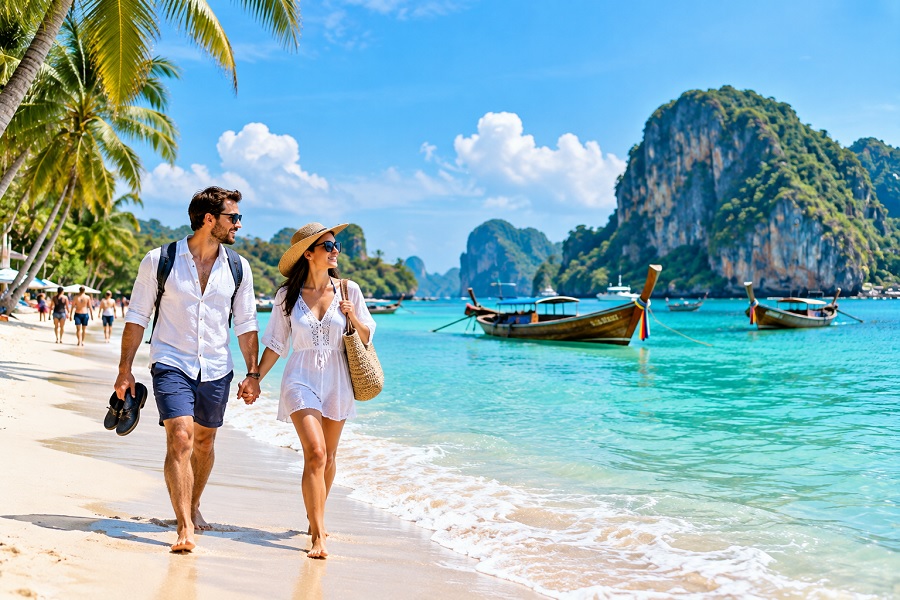
International Book and Literary Tourism: Exploring the World Through Stories
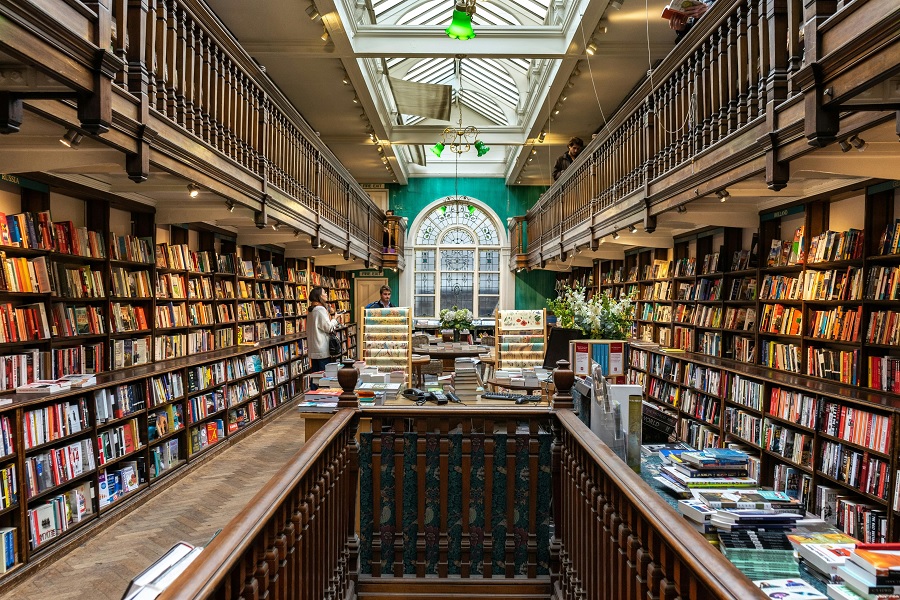
International Book and Literary Tourism: Exploring the World Through Stories
Introduction
International Book and Literary Tourism is an exciting form of travel that allows readers to explore destinations connected with famous authors, classic novels, literary characters, historic libraries, bookshops, festivals, and storytelling traditions.
For book lovers, traveling can become much more meaningful when a destination has a connection to a favorite story or writer. Visitors may walk through the streets that inspired a novel, visit an author's birthplace, explore historic libraries, or attend an international literary festival.
Literary tourism combines culture, history, education, and travel. It gives visitors an opportunity to experience places not only as physical destinations but also through the stories that have made them famous.
What Is International Book and Literary Tourism?
International book and literary tourism involves traveling to destinations associated with literature, authors, books, publishing, libraries, and literary history.
These experiences can include visiting:
Famous authors' homes
Historic libraries
Literary museums
Independent bookshops
Book-themed hotels
International literary festivals
Locations featured in famous novels
Historic publishing districts
Poetry and storytelling destinations
UNESCO Cities of Literature
Literary travelers often choose destinations because of their emotional connection with books and stories.
Why Literary Tourism Is Growing
Modern travelers are increasingly searching for meaningful and experience-based holidays. Literary tourism provides an opportunity to combine a love of reading with cultural exploration.
Books can create powerful connections between readers and destinations. A novel can make someone curious about a city, village, castle, or landscape thousands of kilometers away.
Social media and online reading communities have also helped popularize book-related travel. Readers now share photographs of famous bookshops, literary cafés, libraries, and destinations connected with popular novels.
Visiting Famous Authors' Homes
One of the most popular forms of literary tourism is visiting the homes of famous writers.
Author houses often preserve personal belongings, manuscripts, furniture, photographs, and other objects connected with the writer's life. These places help visitors understand the environment in which important literary works were created.
Walking through an author's home can provide a more personal connection with literature and literary history.
Exploring Historic Libraries
Libraries are among the most fascinating destinations for book lovers. Historic libraries often combine extraordinary architecture with rare books, manuscripts, and centuries of cultural history.
Some libraries have become major tourist attractions because of their beautiful reading rooms, impressive collections, and historical importance.
Visitors can explore everything from ancient manuscripts and rare books to modern public libraries designed as major cultural spaces.
Famous Bookshops Around the World
Independent bookshops are another important part of literary tourism.
A memorable bookshop can become a destination in itself. Travelers often search for historic bookstores, specialist bookshops, second-hand book markets, and stores connected with famous writers.
Many international cities have book districts where visitors can spend hours discovering new titles and exploring local literary culture.
Bookshops also provide an opportunity to discover writers and stories from the destination being visited.
Literary Destinations Inspired by Famous Books
Some destinations become internationally famous because they appear in novels, poems, or other literary works.
Travelers may visit streets, landscapes, villages, and buildings associated with fictional stories. These journeys allow readers to imagine the settings of their favorite books in real life.
Literary destinations can make reading more interactive by connecting imagination with real landscapes and cultural history.
International Literary Festivals
Literary festivals bring together authors, readers, publishers, journalists, poets, and cultural organizations.
Visitors can attend book discussions, author interviews, writing workshops, poetry readings, panel discussions, and book launches.
International literary festivals can also introduce travelers to new authors and writing traditions from different countries.
These events provide a unique opportunity to experience the literary culture of a destination while meeting people who share similar interests.
UNESCO Cities of Literature
The UNESCO Creative Cities Network includes cities recognized for their strong connections with literature and creative culture.
These cities often support libraries, publishing, literary festivals, writers, reading programs, and cultural events.
Visiting literary cities can provide travelers with opportunities to explore bookshops, cultural institutions, historic neighborhoods, and local storytelling traditions.
Literary Tourism in Europe
Europe offers many famous destinations for literary travelers.
Historic cities, university towns, libraries, museums, and bookshops have strong connections with writers and literary movements.
Travelers can explore destinations associated with classic novels, famous poets, playwrights, philosophers, and modern writers.
European literary journeys can also combine architecture, museums, cafés, historic streets, and cultural festivals.
Literary Tourism in Asia
Asia offers a rich and diverse literary heritage.
Travelers can explore ancient storytelling traditions, poetry, religious texts, modern literature, independent bookshops, and major publishing centers.
Countries across Asia also offer literary festivals and cultural destinations where visitors can learn about local languages, writers, and historical traditions.
Literary travel in Asia provides an opportunity to discover stories that may be less familiar to international readers.
Literary Tourism in North America
North America has many destinations connected with influential writers, publishing history, libraries, and contemporary literature.
Major cities offer famous bookshops, literary neighborhoods, cultural institutions, and book festivals.
Travelers can explore destinations associated with classic American and Canadian literature while discovering modern authors and independent publishing communities.
Literary Tourism in Latin America
Latin America has a powerful literary tradition that attracts readers interested in poetry, magical realism, novels, and cultural storytelling.
Literary travelers can explore cities and regions associated with influential writers while experiencing local art, food, music, and history.
These journeys can provide deeper insight into how landscapes and cultures have influenced important literary works.
Literary Tourism in Africa
Africa offers diverse literary traditions, oral storytelling cultures, contemporary writers, and important historical narratives.
Literary tourism can include visiting cultural centers, attending book events, exploring historic locations, and discovering local authors.
Travelers can gain a deeper understanding of the continent's diverse voices and storytelling traditions.
Book-Themed Hotels and Accommodation
Some travelers choose accommodation designed especially for book lovers.
Book-themed hotels and literary guesthouses may offer private libraries, reading rooms, book collections, writing spaces, and quiet environments.
These properties can provide a relaxing experience for travelers who want to combine sightseeing with reading.
A peaceful room, comfortable chair, and good book can sometimes become one of the best parts of a literary holiday.
Literary Cafés and Reading Spaces
Literary cafés have historically been important meeting places for writers, artists, and intellectual communities.
Today, travelers can visit cafés with literary connections, book-filled interiors, reading spaces, and cultural events.
These places offer an opportunity to relax, read, write, and experience the atmosphere of local creative communities.
Literary Walking Tours
Walking tours are an excellent way to explore a city's literary history.
A guide can take visitors through neighborhoods connected with writers, novels, poetry, publishing, and cultural movements.
Literary walking tours may include:
Authors' homes
Historic cafés
Libraries
Bookshops
Streets featured in novels
Publishing locations
Literary monuments
Cultural landmarks
These tours make literary history more engaging by connecting stories with real locations.
Book Festivals and International Travel
Traveling to attend a book festival can be a memorable experience for readers.
A literary festival can become the center of an entire holiday. Visitors can combine author events with sightseeing, local food, museums, and cultural experiences.
Book festivals also create opportunities to discover new writers from different countries and cultures.
Literary Travel for Solo Travelers
International book and literary tourism is particularly suitable for solo travelers.
A literary journey can be enjoyed at a personal pace. Solo visitors can spend hours inside a bookshop, library, museum, or café without following a strict schedule.
Reading and travel naturally complement each other, making literary tourism an enjoyable option for people who appreciate quiet and independent experiences.
Family Literary Travel
Families can also enjoy book and literary tourism.
Children's literature museums, storytelling festivals, interactive libraries, and book-themed attractions can create educational and entertaining travel experiences.
Parents can use literary destinations to encourage children to connect reading with history, culture, and imagination.
Planning an International Literary Holiday
A successful literary trip can be planned around personal reading interests.
Travelers should begin by choosing a favorite author, book genre, literary period, or destination. They can then research museums, libraries, festivals, bookshops, and cultural sites.
A good itinerary should allow enough free time for unexpected discoveries. A small independent bookshop or local literary café can sometimes become the highlight of the journey.
What to Pack for a Literary Trip
Useful items include:
A favorite book
E-reader
Notebook and pen
Travel journal
Comfortable walking shoes
Phone charger
Camera
Reading glasses
Small backpack
Reusable water bottle
Guidebook or offline maps
Travelers should avoid carrying too many heavy books and consider purchasing local titles during the trip.
Sustainable Literary Tourism
Literary tourism can support local culture and small businesses.
Travelers can contribute by buying books from independent bookstores, attending local cultural events, hiring local guides, and supporting community-based cultural institutions.
Buying books from local authors can also help visitors discover new perspectives while supporting the creative economy of the destination.
The Role of Digital Technology
Technology is changing the way literary travelers plan their journeys.
Digital maps can help visitors find literary landmarks, while online communities provide recommendations for bookshops, libraries, and literary destinations.
Audiobooks and e-books also allow travelers to carry large collections without adding weight to their luggage.
At the same time, physical books and traditional bookshops continue to remain an important part of the literary travel experience.
The Future of International Literary Tourism
International literary tourism is likely to continue growing as travelers search for cultural and meaningful experiences.
Future literary travel may include more interactive museums, digital literary trails, book-themed accommodation, international reading retreats, and immersive storytelling experiences.
Cities and tourism organizations can also use literature to promote cultural heritage and introduce visitors to local writers and traditions.
Conclusion
International Book and Literary Tourism allows travelers to experience the world through the imagination of writers and the stories they create.
From historic libraries and famous bookshops to literary festivals and author homes, these journeys connect reading with real places, cultures, and communities.
For book lovers, literary travel is more than sightseeing. It is an opportunity to walk through stories, discover new voices, and create unforgettable memories across the world's most fascinating cultural destinations.