International Beach Tourism: Exploring Tropical Beaches, Islands and Coastal Adventures
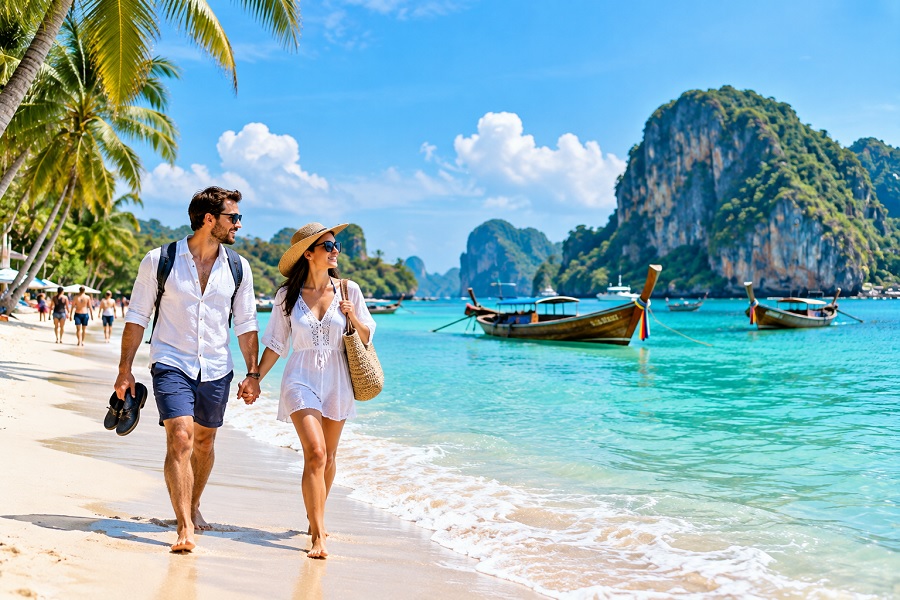
International Beach Tourism: Exploring Beautiful Coastal Destinations Around the World
Introduction
International Beach Tourism is one of the most popular forms of leisure travel, attracting visitors to coastlines, tropical islands, seaside cities, and waterfront destinations around the world. Beaches offer opportunities for relaxation, sightseeing, water sports, photography, cultural experiences, and outdoor recreation.
From tropical islands in Southeast Asia and the Caribbean to Mediterranean coastlines, Australia's beaches, African coastal destinations, and island nations across the Indian Ocean, international beach tourism offers a wide variety of experiences for different types of travellers.
Modern beach tourism is also becoming increasingly connected with sustainable travel. Protecting marine ecosystems, reducing plastic waste, respecting local communities, and choosing responsible tourism operators are important parts of preserving coastal destinations for future visitors.
What Is International Beach Tourism?
International beach tourism refers to travelling across national borders to visit coastal and island destinations primarily for beach-related experiences.
It can include:
Beach holidays
Island vacations
Swimming
Snorkelling
Scuba diving
Surfing
Kayaking
Sailing
Beach photography
Coastal sightseeing
Waterfront dining
Sunset experiences
Marine wildlife tours
Beach wellness retreats
Why International Beach Tourism Is Popular
Beaches offer a combination of natural scenery, recreation, relaxation, and cultural experiences.
Travellers may choose international beach destinations for:
Scenic coastlines
Warm-weather holidays
Water activities
Family vacations
Romantic getaways
Adventure experiences
Photography
Wellness and relaxation
Marine-life experiences
Local food and culture
The variety of coastal destinations means travellers can select experiences based on budget, season, interests, and preferred activity level.
Types of International Beach Destinations
1. Tropical Island Beaches
Tropical islands are known for warm climates, sandy beaches, clear waters, and marine activities.
Island tourism can include swimming, snorkelling, diving, boat excursions, kayaking, and relaxing by the sea.
2. Mediterranean Beach Tourism
Mediterranean coastal destinations combine beaches with historic towns, architecture, local cuisine, museums, and cultural attractions.
This makes them suitable for travellers who want to combine seaside relaxation with sightseeing.
3. Caribbean Beach Tourism
Caribbean destinations are popular for island experiences, beaches, marine activities, cultural experiences, and coastal resorts.
Travellers can combine beach relaxation with local festivals, food experiences, sailing, snorkelling, and island exploration.
4. Southeast Asian Beach Tourism
Southeast Asia offers a wide variety of coastal and island experiences.
Beach destinations in the region can combine affordable accommodation, local cuisine, cultural attractions, marine activities, and nature experiences.
5. Indian Ocean Beach Tourism
The Indian Ocean region includes numerous island and coastal destinations offering beaches, marine activities, coral-reef experiences, and nature tourism.
Travellers should choose marine-tour operators that follow responsible practices when visiting sensitive reef environments.
Popular Activities in International Beach Tourism
Swimming
Swimming is one of the simplest beach activities. Travellers should always follow local safety instructions and pay attention to currents, tides, weather conditions, and designated swimming zones.
Snorkelling
Snorkelling provides an opportunity to observe marine life near the surface.
Responsible snorkelling is important because coral reefs can be sensitive to physical contact and other tourism pressures. UNEP recommends choosing operators that follow environmentally responsible practices and avoid damaging coral ecosystems.
Scuba Diving
Scuba diving allows travellers to explore underwater ecosystems, reefs, marine animals, and coastal landscapes.
Divers should use trained operators, follow local regulations, avoid touching marine life, and maintain appropriate distance from coral.
Surfing
Surfing is an important attraction at many international coastal destinations.Beginners
can look for beaches with suitable conditions and professional instruction, while experienced surfers may choose destinations based on waves and seasonal conditions.
Kayaking
Kayaking can provide a different perspective of coastal landscapes. It can be enjoyed around beaches, lagoons, islands, mangroves, and calm coastal waters.
Sailing and Boat Tours
Boat tours can provide opportunities to explore coastlines, islands, marine habitats, and sunset views.
Travellers should choose operators that follow local environmental and safety requirements.
International Beach Tourism for Families
Beach holidays can be suitable for families because they can combine relaxation with age-appropriate outdoor activities.
Family-friendly beach experiences may include:
Safe swimming areas
Sand activities
Coastal walks
Boat rides
Nature tours
Family photography
Local cultural experiences
Beginner-friendly water activities
Parents should check local beach safety information and choose activities according to children's ages and abilities.
International Beach Tourism for Couples
Beach destinations are often selected for romantic holidays.
Couples can enjoy:
Sunset walks
Beach photography
Island excursions
Coastal dining
Boat trips
Resort stays
Water activities
Wellness experiences
A beach trip can also be combined with cultural sightseeing and local food experiences.
International Beach Tourism for Solo Travellers
Solo travellers can explore beaches through organized tours, walking routes, water activities, photography trips, and local cultural experiences.
Travellers should research the destination in advance and remain aware of local safety conditions, transportation, weather, and accommodation arrangements.
Beach Tourism and Wellness
Coastal destinations can also support wellness-oriented travel.
Beach wellness experiences may include:
Sunrise yoga
Meditation
Coastal walking
Swimming
Outdoor fitness
Spa experiences
Relaxation retreats
Nature photography
Combining beach scenery with wellness activities can create a slower and more relaxed travel experience.
Beach Tourism and Local Culture
International beach tourism is not limited to the coastline itself. Many coastal destinations have distinctive traditions, food, architecture, music, festivals, fishing communities, and handicrafts.
Travellers can support local communities by choosing locally owned restaurants, guides, shops, accommodation providers, and tour operators where appropriate.
UN Tourism's current rural-tourism initiatives emphasize the importance of preserving culture and traditions, supporting small businesses, protecting biodiversity, and strengthening community participation.
Sustainable International Beach Tourism
Sustainability is an important issue for international beach tourism because coastal destinations depend heavily on healthy marine and shoreline ecosystems.
UNEP notes that coastal tourism can contribute to plastic pollution and that many tourists visit coastal areas. Reducing single-use plastics, improving waste management, and protecting marine ecosystems are therefore important tourism priorities.
Travellers can support sustainable beach tourism by:
Avoiding littering
Carrying reusable water bottles
Reducing single-use plastic
Staying on designated paths
Respecting wildlife
Avoiding contact with coral
Choosing responsible marine-tourism operators
Supporting local businesses
Following protected-area regulations
Protecting Coral Reefs
Coral reefs are major attractions for international beach and marine tourism, but they are vulnerable ecosystems.
UNEP's 2026 guidance recommends that divers and snorkellers choose responsible operators, avoid contact with coral, use appropriate mooring practices, and give marine wildlife sufficient space.
Travellers can help protect reefs by observing marine life without touching, standing on, or collecting coral.
Climate and Coastal Tourism
Coastal destinations can face challenges related to storms, rising sea levels, changing weather patterns, erosion, and other environmental pressures.
UNEP has highlighted the importance of climate adaptation, disaster preparedness, and effective destination planning for coastal tourism.
Travellers should therefore check seasonal weather conditions and local travel advisories before planning beach holidays.
Best Time for International Beach Tourism
The ideal travel season varies considerably by destination.
Before booking a beach holiday, travellers should research:
Local climate
Rainy and dry seasons
Ocean conditions
Hurricane or cyclone seasons
Peak tourist periods
Local festivals
Water temperatures
Accommodation prices
Choosing the right season can improve the overall beach experience and may also help travellers avoid overcrowded periods.
Planning an International Beach Holiday
A well-planned beach holiday can be more comfortable and convenient.
Step 1: Choose the Destination
Consider climate, beaches, activities, budget, travel time, and visa requirements.
Step 2: Research the Season
Check weather patterns and seasonal conditions before booking.
Step 3: Select Accommodation
Compare hotels, resorts, guesthouses, and other accommodation options according to location and facilities.
Step 4: Plan Activities
Decide whether you want relaxation, water sports, marine wildlife experiences, sightseeing, or cultural activities.
Step 5: Check Travel Requirements
Verify passport, visa, insurance, health, and entry requirements using official sources relevant to your nationality and destination.
Step 6: Plan for Safety
Research local beach conditions, transportation, emergency services, and water-sport safety requirements.
Essential Items for a Beach Holiday
Travellers may consider carrying:
Comfortable beach clothing
Swimwear
Sun protection
Sunglasses
Reusable water bottle
Comfortable footwear
Waterproof phone protection
Personal medications
Travel documents
Basic first-aid supplies
Appropriate water-activity equipment
The exact requirements depend on the destination and planned activities.
Digital Technology and Beach Tourism
Technology has changed the way travellers plan beach holidays.
Digital tools can help with:
Destination research
Hotel bookings
Flight reservations
Navigation
Weather updates
Local transportation
Activity reservations
Translation
Digital payments
Travel reviews
Travellers should verify important information through official or reliable sources, particularly for weather warnings, entry requirements, and marine safety.
Economic Importance of Beach Tourism
Beach tourism can generate economic opportunities for hotels, restaurants, transportation providers, tour operators, local guides, retailers, and coastal communities.
When tourism is managed responsibly, visitor spending can support local employment and community businesses.
At the same time, poorly managed coastal tourism can place pressure on natural resources, waste-management systems, marine ecosystems, and local infrastructure. UNEP has emphasized the need for sustainable management of coastal tourism and protection of marine and coastal environments.
Future of International Beach Tourism
The future of international beach tourism is likely to place greater attention on sustainability, responsible marine activities, climate resilience, local community participation, and nature conservation.
Destinations may increasingly focus on:
Sustainable accommodation
Plastic reduction
Responsible diving and snorkelling
Coastal conservation
Smart destination management
Community-based tourism
Nature-based experiences
Accessible beach facilities
Off-season tourism
Climate-resilient infrastructure
The growing focus on protecting natural sites is also reflected in recent UN Tourism discussions about balancing tourism development with biodiversity conservation, community wellbeing, and long-term sustainability.
Conclusion
International Beach Tourism offers travellers opportunities to explore beautiful coastlines, tropical islands, marine ecosystems, seaside cities, and diverse coastal cultures around the world.
From swimming and surfing to scuba diving, photography, wellness, local cuisine, and cultural exploration, beach holidays can be designed for families, couples, solo travellers, and adventure enthusiasts.
The long-term success of international beach tourism depends on protecting the natural and cultural resources that make coastal destinations attractive. Responsible travel choices, sustainable tourism practices, marine conservation, and support for local communities can help ensure that beaches remain enjoyable destinations for future generations.