India`s toll collection growth likely to slow to 5-7% in FY27 amid West Asia conflict: Crisil
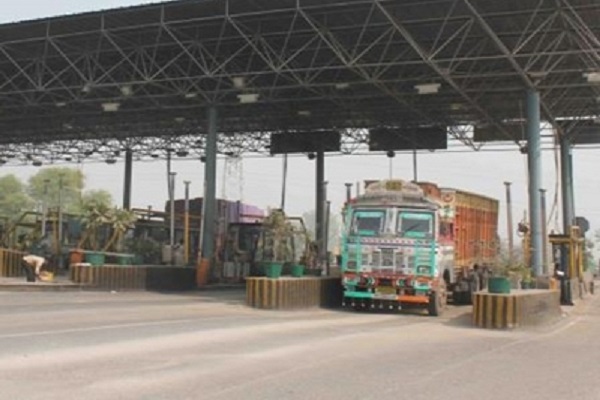
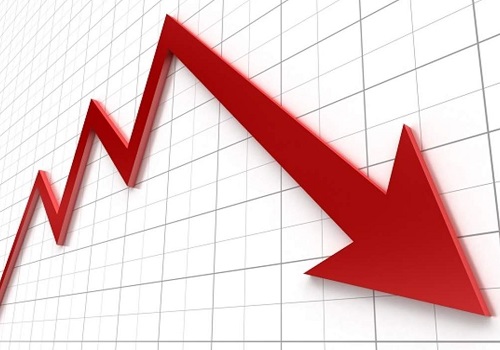
Rating agency Crisil in its latest report has said that toll collection growth in India is expected to slow by 150-200 basis points (bps) to 5-7 per cent year-on-year (Y-o-Y) in the current fiscal (FY27) as West Asia conflict and geopolitical uncertainties are significantly constraining global freight movement and domestic industrial activity.
Crisil noted that the projected moderation in FY27 is expected to be temporary and is likely to be recouped next fiscal, due to relatively higher toll rate hikes compelled by inflationary pressures. To be sure, it said the toll rate hikes in a financial year are linked to the previous year’s Wholesale Price Index (WPI) inflation. It noted that this underscores the resilience of toll road assets through economic cycles. Healthy operating performance and controlled leverage should keep the credit profiles of toll road operators stable.
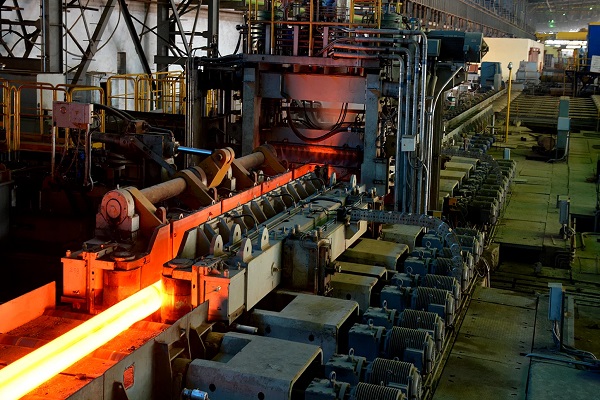
According to the report, commercial traffic remains the backbone of toll revenue, accounting for nearly 75 per cent of overall collections. Freight movement is closely linked to industrial output, construction activity and mining, which may be impacted amid the West Asia conflict -- as reflected in sequential degrowth in fastag toll collections in March and April. It said that significant weakening in the macroeconomic environment amid the West Asia conflict, particularly affecting commercial traffic, will warrant close monitoring.