India's Merchandise Exports Hit Record $49.47 Billion in October, but Elevated Crude Imports Strain External Balance: B2K Analytics

Electronics exports jump 63% year-on-year, while petroleum imports rise 54%; overall trade deficit narrows to $20.09 billion
India's merchandise exports registered a sharp increase of 45.06% year-on-year to reach an all-time high of USD 49.47 billion in October 2026, reflecting resilient external demand across key sectors, according to the latest India's Foreign Trade November 2026 report by B2K Analytics.
Merchandise imports also touched a record USD 89.35 billion, rising 16.51% year-on-year, driven primarily by petroleum and crude oil purchases. However, an estimated services trade surplus of USD 19.79 billion provided a cushion against the rising import bill, helping narrow India's overall trade deficit to USD 20.09 billion in October from USD 25.1 billion a year ago.
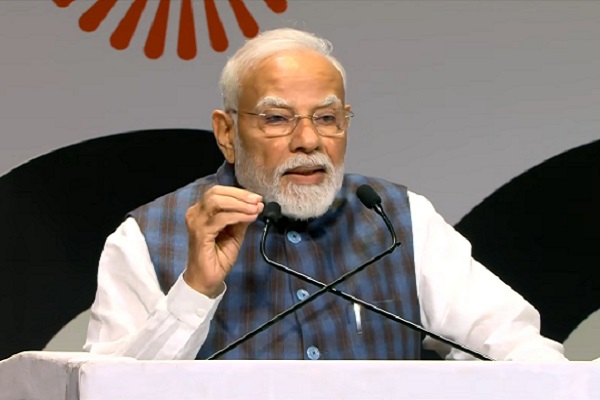
Commenting on the findings, Ritaban Basu, CEO, B2K Analytics, said, "India's export performance in October reflects the growing resilience of its external sector, particularly the contribution of manufacturing-led segments such as electronics. However, the sharp increase in petroleum imports highlights vulnerabilities arising from energy dependence. With crude prices elevated and the rupee facing depreciation pressures, sustaining export momentum while managing imported inflation will be critical to building a more resilient trade ecosystem."
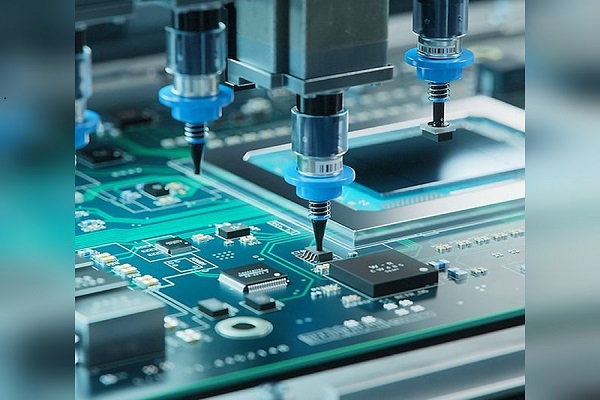
A closer look at the trade basket highlights the expanding footprint of domestic manufacturing. Electronic goods exports surged 62.70% year-on-year to USD 6.64 billion, while gems and jewellery exports rose 40.06% to USD 3.21 billion. Petroleum product exports also recorded a sharp increase of 140.21% to USD 8.89 billion, supported by higher crude prices and overseas demand for refined fuels.
On the import side, petroleum crude and products rose 54.31% year-on-year to USD 22.80 billion, driven by higher crude prices and import volumes, alongside increased shipping and insurance costs amid disruptions in the Strait of Hormuz. Gold and silver imports surged 202.66% month-on-month to USD 7.46 billion, reflecting festive-season stocking ahead of Diwali and a subdued September base, although they remained lower year-on-year.
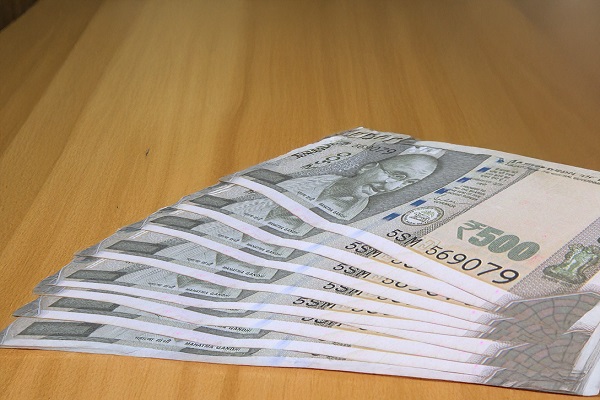
The report also highlights the macroeconomic risks arising from India's energy dependence. The rupee weakened 8.02% year-on-year against the US dollar in October, averaging ?95.51 per dollar, amid foreign equity outflows and rising crude prices. Meanwhile, retail inflation rose to 6.1%, breaching the Reserve Bank of India's upper tolerance limit of 6%. The report notes that sustained inflationary pressures, particularly if the West Asia conflict persists, could influence the RBI's upcoming monetary policy decisions.
Looking ahead, developments in India's trade negotiations with the US could provide further opportunities for export-oriented sectors. The US accounted for 17.63% of India's merchandise exports in October. While the US has agreed to provide preferential market access for Indian goods, negotiations on the first phase of the trade deal are still underway. Sustaining export competitiveness while managing energy costs and currency volatility will remain crucial to India's external-sector outlook.
Above views are of the author and not of the website kindly read disclaimer







More News

Economy : CPI Above the Band, and the Pipeline Is Still Full by Choice Institutional Equiti...