India's Kharif Sowing Gains Momentum After Strong Monsoon Revival by Amit Gupta, Kedia Advisory

India’s kharif sowing improved significantly after a revival in the southwest monsoon, with July 1–5 rainfall running 35% above normal. Paddy acreage recovered sharply, reducing its sowing deficit to 13% from 25% recorded in late June. Overall kharif acreage reached 350.85 lakh hectares, though it remained 21% below last year’s level. Cotton, soybean, groundnut, pulses, and coarse cereals continued to trail year-ago coverage despite improved weather conditions. Strong rainfall across central and northwestern India is expected to accelerate planting in the coming weeks, supporting crop prospects and helping the government work toward its ambitious 2026 kharif production targets.
Key Highlights
- Paddy sowing deficit narrowed to 13% after 35% surplus rainfall during July 1–5.
- Total kharif acreage reached 350.85 lakh hectares but remained 21% below last year.
- Cotton, soybean, groundnut, pulses, and coarse cereals continue to lag year-ago sowing levels.
- Improved monsoon across central and northwest India is expected to accelerate planting activities.
- Government targets 176.16 million tonnes of kharif foodgrain production for 2026.
India's agricultural markets are closely monitoring kharif sowing progress, as improved monsoon conditions have significantly strengthened crop prospects. Better rainfall has eased concerns over delayed planting, supporting expectations for improved agricultural output and reducing the risk of supply shortages in key crops.
The revival of the southwest monsoon has played a crucial role in improving sowing activity. Rainfall during July 1–5 was 35% above normal, helping paddy acreage recover substantially. As of July 5, paddy transplantation reached 60.24 lakh hectares, reducing the sowing deficit to 13% compared with a 25% shortfall recorded in late June. Overall kharif acreage stood at 350.85 lakh hectares, equivalent to 32% of the normal seasonal area, although still 21% lower than the corresponding period last year.
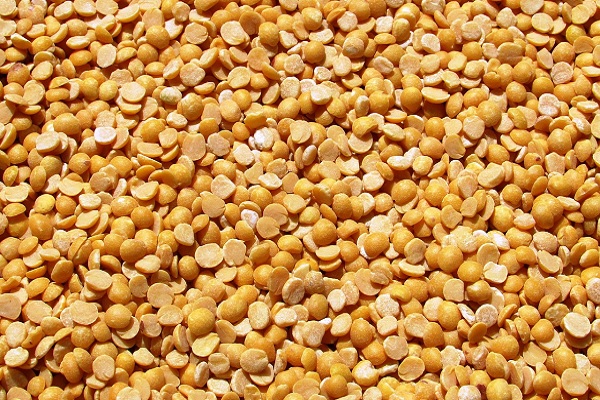
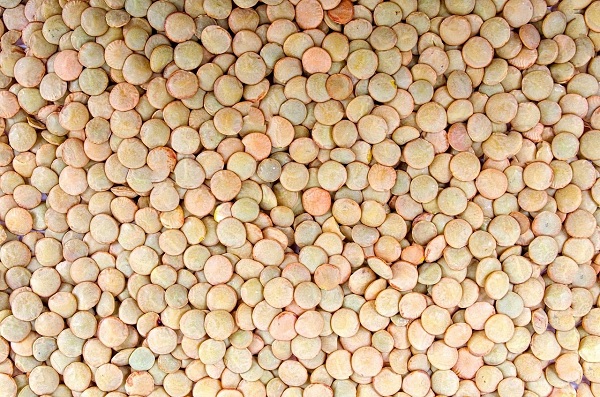
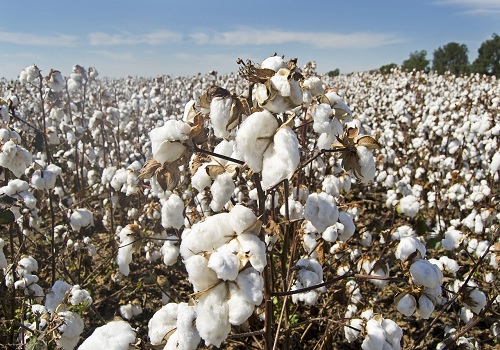
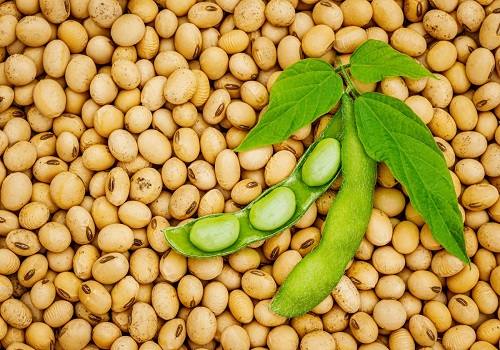
Despite the improvement, several crops continue to trail last year's planting pace. Cotton acreage remains 23% lower at 63.18 lakh hectares, while soybean and groundnut sowing also lag significantly behind year-ago levels. Pulses, including arhar, moong, and urad, have reported lower coverage, while coarse cereals such as bajra, maize, and jowar also remain below last year's acreage. In contrast, sugarcane and jute recorded marginal increases in planted area.
The India Meteorological Department reported that the overall monsoon rainfall deficiency has narrowed sharply following widespread showers across central and northwestern India. With favorable weather expected to continue, experts anticipate a significant acceleration in sowing during the coming weeks. The government has set an ambitious kharif foodgrain production target of 176.16 million tonnes for 2026, including record targets for rice, maize, pulses, and oilseeds, making the upcoming weeks critical for achieving these production goals.
Finally, continued favorable monsoon conditions are expected to boost kharif sowing further, improving crop prospects and supporting agricultural production targets despite the delayed start to the season.
Above views are of the author and not of the website kindly read disclaimer