India`s GDP growth expected at 6.2 pc despite geopolitical conflict: Morgan Stanley

Global geopolitical tensions are beginning to weigh on India’s economic outlook, but the country is still expected to maintain steady growth as GDP growth expected at 6.2 per cent for FY2027, a report said on Tuesday.
The data compiled by Morgan Stanley projected India’s growth, even as rising energy costs, supply disruptions, and external pressures pose fresh challenges.
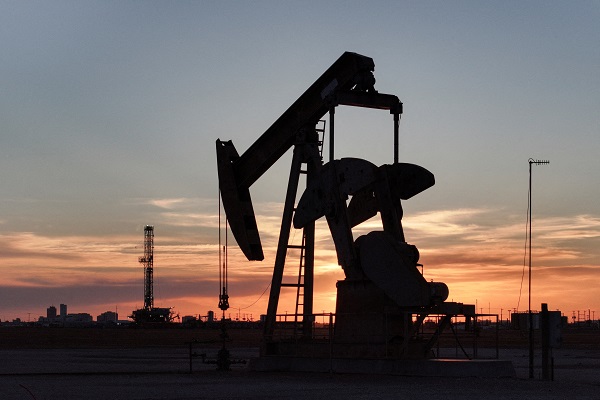
However, it is lower than earlier estimates of 6.5 per cent, the report stated. The downgrade reflected the impact of higher crude oil prices, which are assumed to average around $95 per barrel.
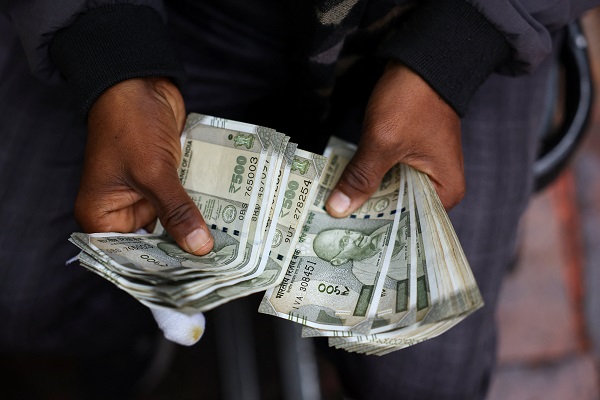
Costlier energy imports are increasing production expenses for businesses and contributing to inflation, while also putting pressure on the Indian rupee, the report said.
Economic growth is expected to weaken further in the short term, potentially reaching a low of 5.9 per cent year-on-year (YoY) in the June 2026 quarter.
This slowdown is likely to be driven by softer industrial activity, tighter financial conditions, and shrinking profit margins.
However, growth may gradually recover as supply conditions improve and government support measures take effect, as per the report.
Inflation is also expected to rise, with average consumer price inflation projected at 5.1 per cent in FY2027.
Higher input costs, currency weakness, and firm food and goods prices are expected to keep inflation elevated, the report stated.
If oil prices climb above $110 per barrel, there could be further pressure, including possible increases in retail fuel prices and broader inflationary effects.
India’s external position is also likely to come under strain. The current account deficit is projected to widen to 2.5 per cent of GDP, compared to about 1 per cent earlier.
This is largely due to higher oil import bills. With capital inflows not keeping pace, the balance of payments could remain in deficit for a third consecutive year, increasing pressure on the rupee, the report mentioned.
To manage the situation, policymakers are expected to rely initially on fiscal measures, such as higher subsidies and steps to control costs, which could push the fiscal deficit to around 4.3 per cent of GDP.