India's central bank sold $6 billion in May to defend oil-hit rupee, data shows
.jpg)
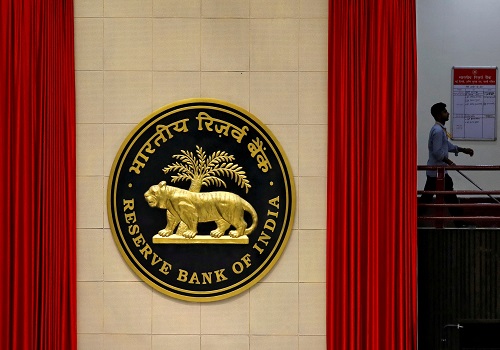
The Reserve Bank of India sold a net $6.1 billion in the foreign exchange market in May, data released on Wednesday showed, as a sharp rise in oil prices due to the Iran war pushed the rupee to an all-time low.
The RBI said in its monthly bulletin that it purchased $22.2 billion and sold $28.3 billion in May. In April, the central bank had sold a net $8.9 billion.
The Indian rupee fell to a record low of 96.96 per dollar in May, pummeled by surging oil prices and higher global bond yields.
The currency was then shored up by firm RBI intervention over multiple trading sessions and a salvo of policy measures to draw dollar inflows, ranging from tax cuts on foreign debt investments to incentives for raising overseas FX deposits.
The RBI's net outstanding forward dollar sales stood at a record $106.6 billion as of end-May, compared with $95.3 billion at the end of April.
The data also showed that the central bank's gold holdings have remained unchanged since May 22 at 880.52 metric tonnes.
On Wednesday, the rupee closed down 0.3% at 96.5650 per dollar, hitting its weakest level in two months.
STATE OF THE ECONOMY
India saw heavy selling by foreign investors in its equity markets till June, but the sentiment reversed partially after the central bank took dollar inflow measures to support the rupee.
Foreign inflows into the bond markets rose in June and have remained positive in July, and equity markets too have seen inflows this month. Foreign exchange reserves also remain comfortable, providing cover for 10 months of imports, the bulletin said.
The RBI said in its bulletin that the recovery in foreign investment flows into India shows a "revival of confidence in the economy".
The Indian economy has seen pressure from rising oil prices globally and a weak monsoon domestically.
Although food prices have risen, core inflation remains in check, the bulletin said.
It added that sowing has been delayed due to uneven rains, but "high public foodgrain stocks should provide some cushion against price pressure."