India Likely to Extend Duty-Free Cotton Imports Through December by Amit Gupta, Kedia Advisory
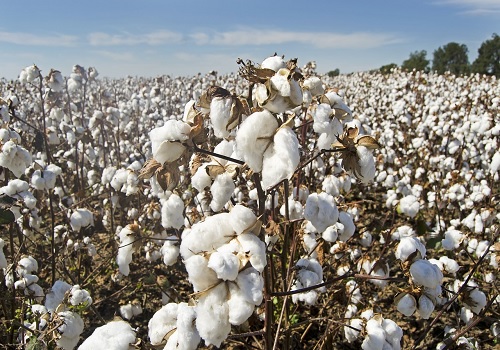
India is expected to extend its duty-free cotton import window by two months through December, following an 11% customs duty exemption introduced from June 1 to October 31. The move aims to improve supplies, reduce domestic cotton prices and lower textile mills’ production costs. Domestic prices have exceeded ?9,000 per 100 kg, above the new-season minimum support price of ?8,717. Cotton output in 2026–27 is estimated below 29 million bales against demand exceeding 34 million bales. Imports rose 63% year-on-year to $1.1 billion during April–September, although higher global prices, freight costs and rupee weakness could limit purchases.
Key Highlights
- India is expected to extend its 11% cotton import duty exemption through December 2026.
- Domestic cotton prices exceeded ?9,000 per 100 kg, above the new-season floor price of ?8,717.
- India’s 2026–27 cotton output is projected below 29 million bales against demand exceeding 34 million bales.
- Cotton imports rose 63% year-on-year to $1.1 billion during April–September of the current fiscal year.
- A five-year-low stock-to-use ratio of approximately 31% highlights tightening domestic cotton availability.
India is expected to extend its duty-free cotton import window through December, as lower domestic production prospects and firm prices increase pressure on textile manufacturers. Domestic cotton prices have climbed above ?9,000 per 100 kg, exceeding the government-set floor price of ?8,717 for the new season. The proposed extension would continue the exemption from the 11% customs duty initially granted for five months, from June 1 through October 31.
The potential extension comes amid concerns over tightening domestic supplies. India’s cotton output in 2026–27 is expected to fall below 29 million bales, while demand is projected to exceed 34 million bales, according to trade estimates. The stock-to-use ratio has declined to approximately 31%, its lowest level in five years. Patchy monsoon rainfall has weakened crop prospects, while the use of outdated genetically modified cotton seeds has left crops vulnerable to pest attacks and lower yields.
Higher import volumes already reflect domestic supply concerns. India’s cotton imports increased 63% year-on-year to $1.1 billion during the first six months of the current fiscal year, from April to September. An extension of the duty exemption could encourage additional purchases from the United States, Brazil and Australia, potentially improving availability and moderating domestic prices. Textile industry representatives have also argued that removing import duties for a longer period would reduce manufacturers’ costs and help them compete with Vietnam and Bangladesh.
However, the extent of additional imports may remain limited. US cotton futures are trading above 83 cents per pound, while elevated freight costs and a weaker rupee could increase landed import prices. These factors may offset some of the benefits of duty-free access, even if the government formally extends the exemption.
An extension of duty-free imports could ease domestic cotton supply pressures and textile costs, but elevated global prices, freight expenses and currency weakness may constrain import growth.
Above views are of the author and not of the website kindly read disclaimer








Tag News
Evening Roundup : Daily Evening Report on Bullion, Base Metals and Energy Commodities - Geoj...