How Trouser Break Affects Shoe Proportions
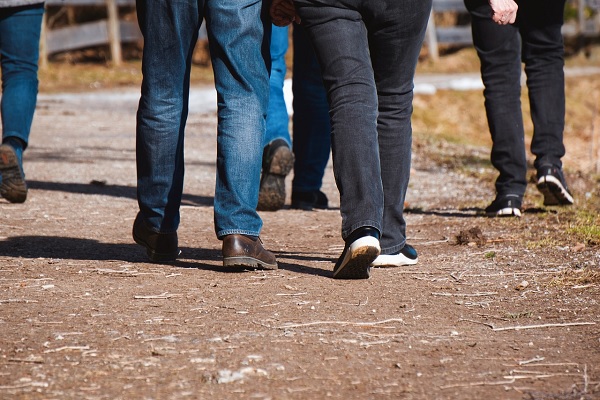
Trouser length can change the way an entire outfit looks, especially when paired with different types of shoes. One small detail that often gets overlooked is the **trouser break**—the amount of fabric that folds or “breaks” over the shoe. Getting this balance right can make trousers and footwear look more naturally connected.
What Is Trouser Break?
Trouser break refers to the fold created where the bottom of the trouser leg meets the shoe. Depending on the length and cut of the trousers, you may see no break, a slight break, or a more noticeable fold.
A **no-break** trouser ends close to the top of the shoe with little or no folding. A **slight or half break** creates a small crease, while a **full break** allows more fabric to gather over the shoe.
The choice is largely a matter of style, but it also affects visual proportions.
How Shoes Influence Trouser Length
The shape and height of the shoe can change how trousers appear. A slim, low-profile shoe usually looks different with the same trouser length than a chunkier sneaker or boot.
For example, a low-profile dress shoe may work well with a cleaner, shorter trouser finish. A bulkier shoe can visually support a little more fabric because the larger shoe provides more structure underneath the trouser leg.
Slim Trousers and Shoe Proportions
Slim or tapered trousers generally look cleaner with a smaller break. Too much fabric at the ankle can create excessive stacking and make the lower part of the outfit appear crowded.
With sleek loafers, derbies, or minimalist sneakers, a slight break or no break can help preserve a streamlined appearance.
Wider Trousers Need a Different Balance
Wider-leg trousers naturally carry more visual volume. Pairing them with extremely narrow shoes can sometimes create an imbalance between the trouser width and footwear.
A wider or more substantial shoe can provide a better visual foundation. The trouser break can also be slightly more relaxed without looking out of place.
Dress Shoes and Trouser Break
Formal trousers are often styled with a cleaner break, particularly when the goal is a sharp and structured appearance. A small break can create a polished transition from trouser to shoe without excessive fabric.
The exact choice can also depend on the type of suit, trouser cut, and level of formality.
Sneakers Change the Equation
Sneakers come in many shapes, from slim canvas designs to large, heavily cushioned running-inspired styles. Because of this variation, the same trouser length will not look identical with every sneaker.
Chunkier sneakers can support slightly longer or wider trousers, while slim sneakers often pair naturally with a neater trouser hem.
Boots and Trouser Break
Boots generally rise higher than shoes, which changes how the trouser leg sits around the footwear. Straight or relaxed trousers can work particularly well with boots because the additional shoe height supports more fabric.
Tapered trousers, meanwhile, can create a sharper silhouette when they finish neatly around the boot.
Consider the Trouser Fabric
Fabric also influences how the break appears. Lightweight fabrics tend to fall softly, while heavier fabrics can create a more defined fold.
A stiff fabric may maintain a noticeable break, whereas softer material can drape more naturally over the shoe.
The Role of Trouser Width
Trouser width and break should be considered together. A narrow trouser with a deep break can look different from a wide trouser with the same amount of fabric at the hem.
The goal is not to follow one universal measurement. Instead, the hem should work with the leg opening, shoe shape, and overall silhouette.
Find the Right Balance
When choosing trouser length, look at the complete outfit rather than judging the trousers alone. Consider the width of the leg, the shoe's shape, the sole thickness, the fabric, and the level of formality.
A small adjustment at the hem can change how much of the shoe is visible and how the lower half of the outfit is visually balanced.
The Bottom Line
Trouser break is a subtle styling detail, but it can strongly influence the relationship between trousers and shoes. Cleaner breaks often complement slimmer, more formal footwear, while wider trousers and chunkier shoes can support a more relaxed finish.
There is no single perfect break for every outfit. The best result comes from balancing **trouser length, leg width, fabric, and shoe proportions** so everything looks intentional and connected.