How to Declutter Your Home
A cluttered home can make everyday life feel more stressful and disorganised. When too many unused or unnecessary items take up space, finding things becomes harder and maintaining the home can take more time.
Decluttering does not mean throwing away everything you own. It means keeping the things you genuinely need, use or value while creating a cleaner and more functional living space.
Here are some simple ways to declutter your home.
1. Start With One Small Area
Trying to declutter the entire house in one day can quickly become overwhelming.
Instead, start with one drawer, shelf, cupboard or small section of a room. Completing a small area gives you a sense of progress and makes it easier to continue.
2. Sort Everything Into Categories
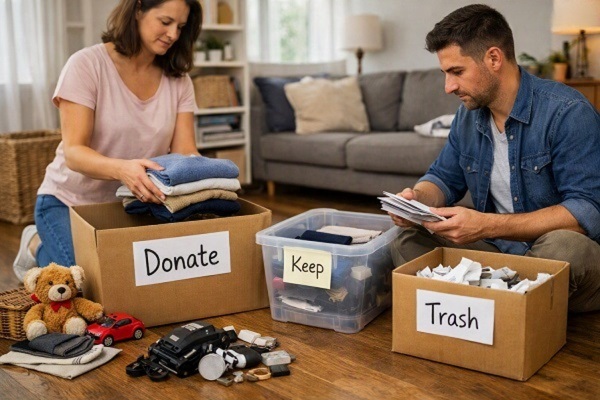
When decluttering an area, separate your belongings into simple categories:
* Keep
* Donate
* Sell
* Recycle
* Throw away
* Decide later
This makes the process easier and prevents you from putting everything back without making any decisions.
3. Get Rid of Things You Never Use
One of the biggest sources of clutter is keeping things that haven't been used for years.
Ask yourself:
* Have I used this recently?
* Do I actually need it?
* Would I buy it again today?
* Do I have another item that does the same job?
If something has no practical or emotional value, consider letting it go.
4. Don't Keep Things Just Because They Were Expensive
A common mistake is holding onto something simply because it was expensive.
The money has already been spent. Keeping an unused item doesn't recover that cost.
If the item is useful, keep it. If it is no longer useful, consider selling, donating or recycling it.
5. Organise Clothes Regularly
Clothing can quickly take over wardrobes.
Remove clothes that no longer fit, are badly damaged, or haven't been worn for a long time. Keep everyday essentials easily accessible and organise seasonal clothing separately when practical.
You can also use the opportunity to identify duplicate items you don't need.
6. Declutter Your Kitchen
Check your kitchen cabinets, refrigerator and storage areas regularly.
Look for:
* Expired food
* Duplicate utensils
* Unused appliances
* Containers without lids
* Broken kitchen equipment
* Items you haven't used in years
Keeping frequently used items within easy reach can also make cooking more convenient.
7. Organise Digital Clutter Too
Decluttering isn't limited to physical belongings.
Your phone and computer can also become cluttered with:
* Unused apps
* Duplicate photos
* Old downloads
* Unnecessary files
* Unused email subscriptions
* Screenshots you no longer need
Spend a few minutes regularly cleaning your digital space.
8. Create a Place for Everything
Once you decide what to keep, give each item a designated place.
When everything has a specific location, it becomes easier to put things away and maintain an organised home.
Storage boxes, shelves and organisers can help, but avoid buying storage products before decluttering. Otherwise, you may simply end up organising things you don't actually need.
9. Use the One-In, One-Out Rule
A simple way to prevent clutter from returning is the one-in, one-out rule.
Whenever you buy a new item, consider removing an old or unused item of the same type.
For example, if you buy a new pair of shoes, consider donating or selling a pair you no longer wear.
10. Deal With Sentimental Items Carefully
Some belongings have emotional value even if they aren't used regularly.
You don't have to throw away everything that isn't practical. Instead, choose a limited space for sentimental items and keep the things that genuinely matter to you.
For photographs and documents, digital backups can sometimes reduce the amount of physical storage required.
11. Avoid Creating a "Maybe" Pile Forever
A "maybe" box can be useful when you're unsure about an item, but it shouldn't become permanent storage.
Label the box and set a future date to review it. If you haven't needed anything inside during that period, you may be ready to let those items go.
12. Build a Simple Decluttering Routine
Decluttering works best when it becomes a regular habit rather than a once-a-year project.
You could spend 10–15 minutes each day putting things back in their places or choose one small area every weekend to organise.
Small, consistent efforts can prevent clutter from building up again.
Conclusion
Decluttering your home is less about having fewer possessions and more about creating a space that works better for your everyday life.
Start small, keep the things you genuinely need or value, and avoid bringing unnecessary items into your home. With a simple routine and thoughtful buying habits, it becomes much easier to keep your home clean, organised and comfortable.