How Room Layout Influences Everyday Convenience
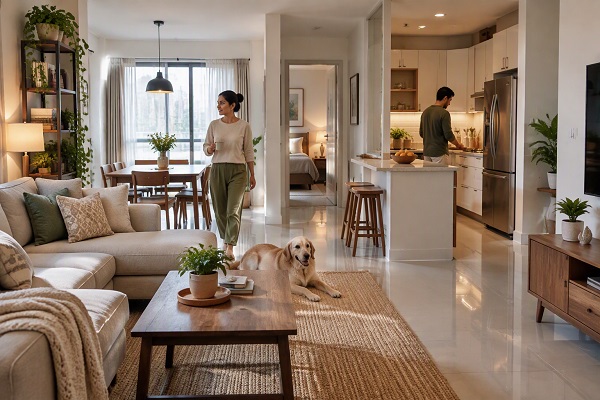
A room can look attractive and still feel inconvenient to use. The difference often comes down to layout. Where furniture is placed, how much space is left for movement, and how frequently used items are arranged can all affect how easily people move through their daily routines.
A practical room layout does not necessarily require expensive furniture or major renovations. Small changes in placement can make everyday activities feel smoother and more comfortable.
Movement Should Be Easy
One of the simplest signs of a practical room is easy movement. If chairs, tables or storage units block natural walking paths, even a spacious room can feel cramped.
Leaving clear routes between frequently used areas makes it easier to move around without constantly avoiding furniture or objects. This becomes particularly important in rooms that are used for several activities throughout the day.
Furniture Should Match the Room's Purpose
Every room has a primary function, even when it serves multiple purposes. A bedroom should support rest and storage, while a living room may need space for seating, conversation and entertainment.
Furniture placement should reflect these activities. A large piece that looks good but interferes with the room's main purpose can reduce convenience instead of improving it.
Frequently Used Items Need Easy Access
Items that are used every day should ideally be placed where they can be reached without unnecessary effort. Keeping frequently used kitchen equipment, work supplies or personal essentials within practical reach can reduce repeated movement and save time.
Less frequently used belongings can be stored in harder-to-reach areas, helping keep the most convenient spaces available for everyday needs.
Doorways and Windows Matter
Furniture should not unnecessarily obstruct doors, windows or other important access points. A poorly positioned cupboard or sofa can make entering a room awkward or reduce access to natural light.
Considering these fixed features before arranging furniture helps create a more balanced layout.
Lighting Should Influence Placement
Room layout is also connected to lighting. A desk placed near a useful source of natural light may be more pleasant for daytime work, while a reading chair may benefit from focused lighting in the evening.
Rather than treating lighting as an afterthought, it can be considered alongside furniture placement.
Small Rooms Need More Flexibility
In smaller spaces, every piece of furniture has a bigger impact. Multi-purpose furniture, lighter visual designs and careful spacing can help prevent the room from feeling overloaded.
A small room does not necessarily need fewer functions. It may simply need smarter zoning so that each area has a clear purpose.
Layout Can Reduce Daily Friction
Consider the things you repeatedly do in a room. Do you have to walk across the space to switch on a light? Is a frequently used drawer blocked by a chair? Do you move furniture whenever you need to clean?
These small inconveniences may seem insignificant individually, but they become noticeable when repeated every day. A better layout can remove many of these unnecessary steps.
Leave Space for Cleaning and Maintenance
A practical room should also be easy to clean. Furniture placed directly against every available wall or packed tightly into corners can make dusting, vacuuming and maintenance more difficult.
Leaving reasonable access around important areas can make regular cleaning less frustrating.
Think About Real Habits
The most useful room layout is based on how people actually use the space, not simply on how it appears in a photograph.
If someone regularly works from a particular corner, reads near a window or stores everyday items beside the entrance, the layout should support those habits. Designing around real behaviour often produces a more comfortable result than following purely decorative rules.
Make Small Changes Before Buying New Things
Improving a room does not always mean purchasing additional furniture. Moving a desk, changing the direction of a sofa or relocating storage can sometimes create a noticeable improvement.
Before buying anything new, it can be useful to experiment with the existing arrangement and see where movement and daily tasks feel easier.
The Bigger Picture
A good room layout is not simply about making a space look organised. It is about making everyday activities easier, reducing unnecessary movement and allowing the room to work naturally with the people using it.
When furniture, storage, lighting and open space are arranged around real routines, even an ordinary room can become significantly more convenient.