Global Inventories May Cushion El Niño Food Shock by Amit Gupta, Kedia Advisory
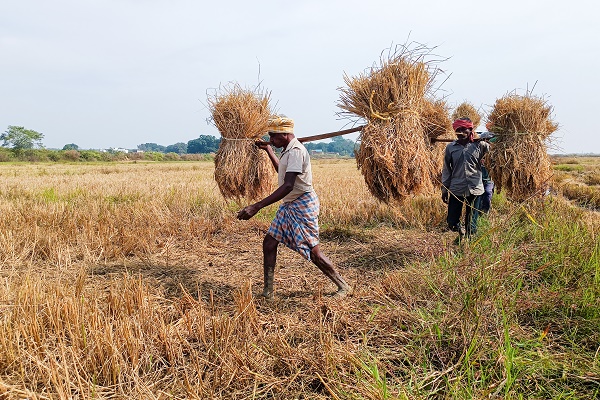
A strengthening super El Niño is expected to disrupt global weather patterns and threaten agricultural output, but near-record global food inventories may soften its impact. Large stockpiles of wheat, rice, corn, and soybeans, built over consecutive bumper harvests, provide a strong buffer against supply shocks. Global wheat stocks are at a five-year high, while rice inventories have reached record levels led by India. Corn and soybean stocks are also relatively comfortable. Although regions like Asia and Australia remain vulnerable to heat and dryness, ample reserves, improved irrigation, and advanced planning are expected to limit extreme price spikes and supply shortages.
Key Highlights
- A super El Niño could disrupt global weather and agricultural production in 2026/27.
- Record global rice and high wheat inventories are cushioning supply risks.
- India holds about 40% of global rice export share with record stock levels.
- Global corn and soybean stocks remain near multi-year highs, supporting supply stability.
- Despite risks, markets remain well supplied, limiting major price spikes so far.
A developing super El Niño event is expected to reshape global weather patterns over the coming months, raising concerns about agricultural production across major farming regions. Historically, El Niño conditions have triggered droughts in Asia and Australia while causing excessive rainfall in parts of the Americas, often leading to crop losses, supply disruptions, and sharp commodity price volatility.
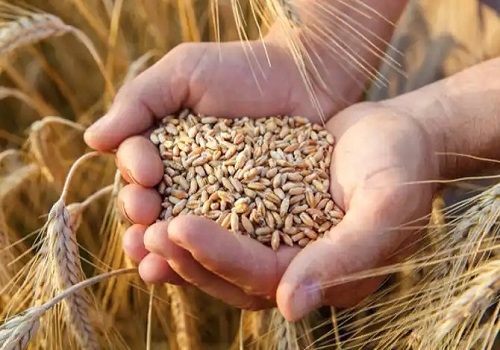
However, the global food system enters this cycle in a relatively strong position, supported by near-record inventories across key staples. According to USDA data, global wheat stocks are projected to reach approximately 279.95 million tons at the start of the 2026/27 crop year, the highest level in five years. Major exporters, including Russia and other Northern Hemisphere producers, are currently harvesting strong crops, helping maintain adequate global availability despite localized concerns such as drought stress in parts of the United States.
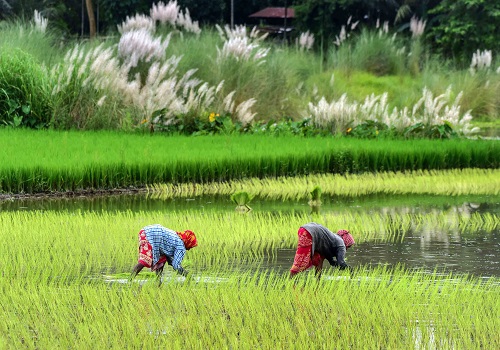
Rice markets are similarly well supplied, with global milled rice reserves reaching a record 196.16 million tons. India, which accounts for around 40% of global rice exports, is holding exceptionally high stock levels, providing a significant buffer against potential production risks. Strong inventories have also reduced the likelihood of export restrictions, even if El Niño conditions intensify, unlike previous cycles when supply tightening triggered policy interventions.
Corn and soybean markets also show relatively comfortable fundamentals. Global corn inventories are projected at 303.4 million tons, a three-year high, while soybean stocks remain close to record levels. These strong balances are helping to stabilize global grain markets, with prices recently easing due to favorable weather conditions in key growing regions.
Regional impacts, however, remain uneven. Southeast Asia, India, and Australia face the highest risk of heat stress and rainfall disruption, while China, Europe, and parts of the Black Sea region are expected to experience comparatively milder effects. In palm oil-producing regions such as Indonesia and Malaysia, rainfall conditions remain broadly supportive, aided by improved crop resilience and drought-tolerant varieties.
Despite strong fundamentals, analysts warn that markets remain vulnerable to policy reactions such as export restrictions, which could quickly tighten availability. Ultimately, the severity of El Niño’s impact will depend on both weather intensity and how well governments manage supply chains and trade flows.
Finally, ample global grain and oilseed inventories are expected to cushion El Niño-related risks, but policy responses and weather severity will ultimately determine the scale of price and supply disruption.
Above views are of the author and not of the website kindly read disclaimer