Global Explorations: How International Tourism Is Shaping the Future of Travel

A New Era of Global Travel
International tourism is no longer just about visiting famous landmarks. Today’s travelers seek authentic experiences, local interactions, and meaningful journeys. With improved air connectivity, digital travel platforms, easier visa policies, and rising disposable incomes, more people are traveling abroad than at any time in history.
Countries across continents are investing heavily in tourism infrastructure—from smart airports to eco-friendly resorts—making global travel smoother and more comfortable.
Key Drivers of International Tourism
1. Cultural Curiosity
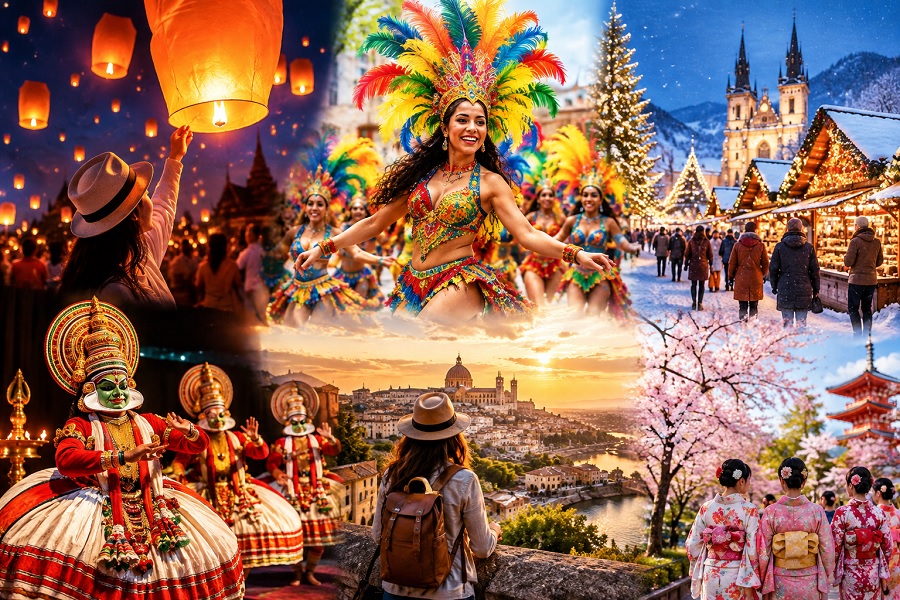
Travelers want to immerse themselves in the traditions, festivals, food, and heritage of other nations. Cultural tourism remains one of the strongest global travel motivators.
2. Affordable Travel Options
Budget airlines, hostel culture, online deals, and off-season packages have made international travel accessible to first-time and young travelers.
3. Digital Transformation
From booking hotels to discovering hidden attractions, technology has empowered travelers with real-time information and seamless planning.
4. Social Media Influence
Platforms like Instagram, YouTube, and travel blogs inspire millions to visit trending locations, from Bali beaches to Swiss Alps.
5. Adventure & Wellness Tourism
Safari tours, skiing, diving, yoga retreats, spa therapy, and global wellness centers attract travelers seeking both thrill and relaxation.
Economic Impact of International Tourism
International tourism generates significant revenue for countries, contributing to:
Employment in hotels, airlines, restaurants, and local businesses
Foreign exchange earnings
Infrastructure development
Preservation of cultural heritage and natural attractions
In many developing nations, tourism is one of the top GDP contributors.
Emerging Trends in Global Tourism
1. Sustainable Travel
Eco-tourism, carbon-neutral flights, green hotels, and wildlife conservation experiences are gaining popularity.
2. Experiential Tourism
Cooking classes in Italy, homestays in Japan, vineyard tours in France—travelers want hands-on experiences rather than passive sightseeing.
3. Remote Work Tourism
Countries like Portugal, Thailand, and Dubai offer digital nomad visas, attracting remote workers seeking long-term international stays.
4. Luxury Travel Boom
Private islands, personalized tours, wellness cruises, and high-end resorts are witnessing massive growth.
Why International Tourism Matters
International travel is more than vacation—it’s a bridge connecting people across cultures. It promotes understanding, tolerance, and appreciation for diversity. As travelers explore new geographies, they gain fresh perspectives, broaden horizons, and contribute to global unity.