Future of Cars and Bikes: Trends to Watch
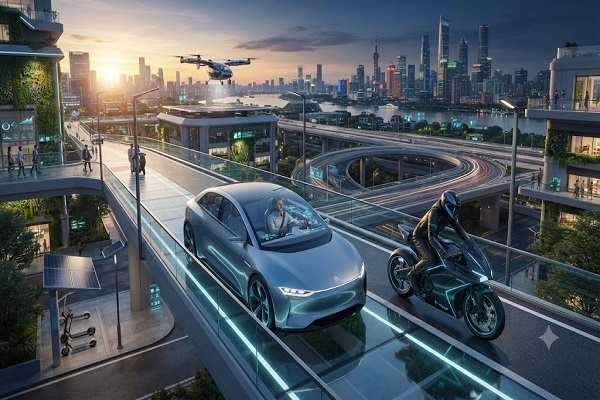
The automobile industry is changing rapidly as technology, environmental concerns, and changing consumer preferences reshape the way people travel. Cars and bikes are becoming smarter, safer, more connected, and increasingly eco-friendly. From electric vehicles to advanced safety systems, the future of mobility is expected to bring exciting changes for drivers and riders.
1. Rise of Electric Vehicles
Electric cars, bikes, and scooters are becoming increasingly popular. Improvements in battery technology are helping electric vehicles offer better range and performance while charging infrastructure continues to expand.
As battery costs and charging times improve, electric mobility is expected to become an increasingly important part of the automotive industry.
2. Smarter and Connected Vehicles
Future vehicles will offer greater connectivity. Cars and bikes are increasingly being integrated with smartphones, navigation systems, voice assistants, and connected services.
Drivers may be able to monitor vehicle information, locate their vehicle, receive maintenance alerts, and access various features through connected applications.
3. Advanced Safety Technology
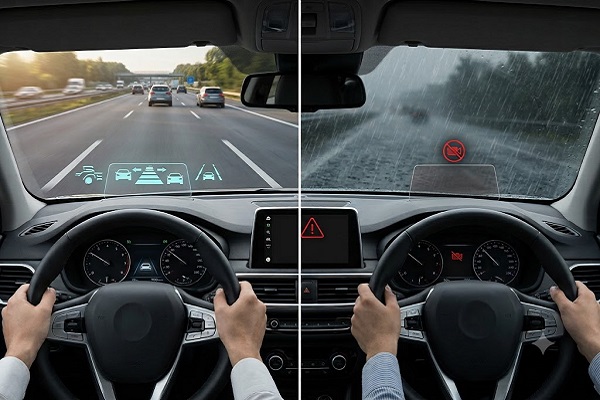
Safety will remain one of the biggest priorities in future vehicles. Technologies such as automatic emergency braking, lane assistance, blind-spot monitoring, adaptive cruise control, and improved driver-alert systems are becoming more common.
These features can help drivers avoid potential hazards and make everyday journeys safer.
4. Growth of Autonomous Driving
Self-driving technology is another major area of development. Although fully autonomous vehicles are still being developed and tested in many parts of the world, advanced driver-assistance systems are already available in several vehicles.
The future could bring vehicles that can handle more driving tasks with limited human intervention, depending on regulations, infrastructure, and technological progress.
5. Better Battery Technology
Battery development will play a major role in the future of electric mobility. Automakers and battery companies are working toward batteries that can provide longer range, faster charging, improved durability, and better efficiency.
Advances in battery technology could make electric cars and two-wheelers even more practical for everyday users.
6. More Powerful and Efficient Bikes
Motorcycles and scooters are also benefiting from technological innovation. Electric two-wheelers are becoming more capable, while conventional motorcycles continue to receive improvements in fuel efficiency, performance, comfort, and safety.
Future bikes may combine powerful performance with smarter electronics and improved energy efficiency.
7. Sustainable Manufacturing
The future of automobiles is not only about how vehicles are powered. Manufacturers are also focusing on sustainable production, recyclable materials, efficient factories, and reducing waste.
This could make the entire vehicle lifecycle more environmentally responsible.
8. Advanced In-Car Technology
Modern cars are becoming more like digital platforms. Large displays, connected navigation, voice controls, wireless connectivity, digital instrument clusters, and software-based features are becoming increasingly important.
Future vehicles may receive software updates that improve features without requiring a traditional service visit.
9. Personalized Driving Experiences
Technology is making it possible for vehicles to offer more personalized experiences. Driver profiles can remember preferences such as seat position, climate settings, infotainment preferences, and other vehicle settings.
As artificial intelligence develops, vehicles may become better at adapting to individual driving habits and preferences.
10. New Mobility and Ownership Models
The way people use vehicles may also change. Car subscriptions, vehicle-sharing services, rental platforms, and other flexible mobility options are gaining attention.
For some consumers, accessing a vehicle when needed could become more attractive than owning one permanently.
11. Stronger Focus on Two-Wheeler Safety
As cities become more crowded, two-wheelers will continue to play an important role in urban transportation. Future bikes and scooters are likely to include more safety technology, better lighting, improved braking systems, and enhanced rider-assistance features.
Smart helmets and connected riding equipment may also become increasingly popular.
12. What the Future Holds
The future of cars and bikes will likely be shaped by a combination of electrification, connectivity, automation, artificial intelligence, safety technology, and sustainability. Consumers can expect vehicles that are more efficient, convenient, connected, and responsive to their needs.
However, the pace of change will depend on factors such as infrastructure, affordability, government policies, consumer demand, and technological development.
Conclusion
The automotive world is entering an exciting period of transformation. Electric power, smarter technology, advanced safety features, connected services, and sustainable manufacturing are changing what people expect from cars and bikes.
For drivers and riders, the future promises more choices and innovative ways to travel. As technology continues to evolve, cars and bikes will become not just modes of transportation but increasingly intelligent and connected parts of everyday life.