Fresh Air Tourism in Mountain Destinations
In a fast-paced world filled with traffic, pollution, and constant digital distractions, many travelers are searching for a simpler and healthier way to relax. One emerging travel trend answering this need is fresh air tourism. Mountain destinations across the world are becoming popular retreats for people who want to breathe clean air, reconnect with nature, and improve their overall well-being.
Fresh air tourism focuses on visiting places where the air is pure, the environment is calm, and nature surrounds you. Mountain regions, with their dense forests, flowing rivers, and high-altitude landscapes, offer the perfect escape from crowded cities. These destinations are not just scenic; they also provide a natural wellness experience that benefits both the body and mind.
One of the biggest attractions of mountain travel is the quality of the air. At higher altitudes, air pollution levels are significantly lower than in urban areas. Surrounded by trees and natural vegetation, mountain air contains fewer toxins and often feels cooler and more refreshing. Simply breathing in this fresh environment can help people feel energized and relaxed.
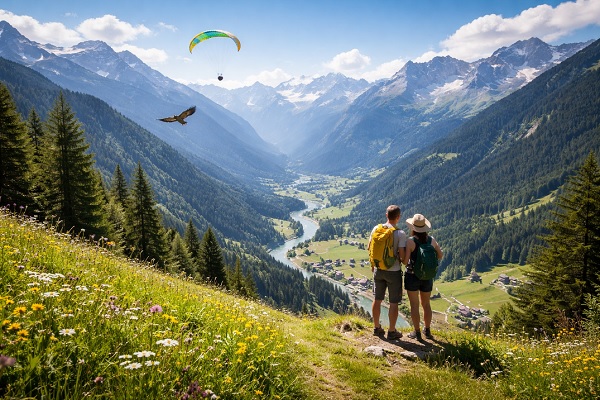
Mountain destinations also encourage active lifestyles. Hiking, trekking, nature walks, cycling, and rock climbing are common activities that allow travelers to explore beautiful landscapes while staying physically active. Even simple walks through pine forests or along mountain trails can help improve cardiovascular health and reduce stress.
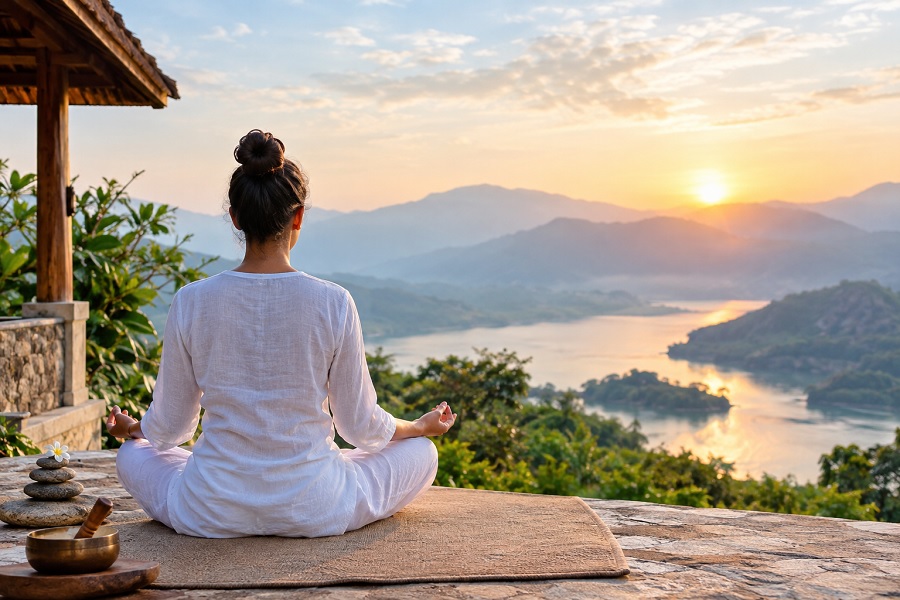
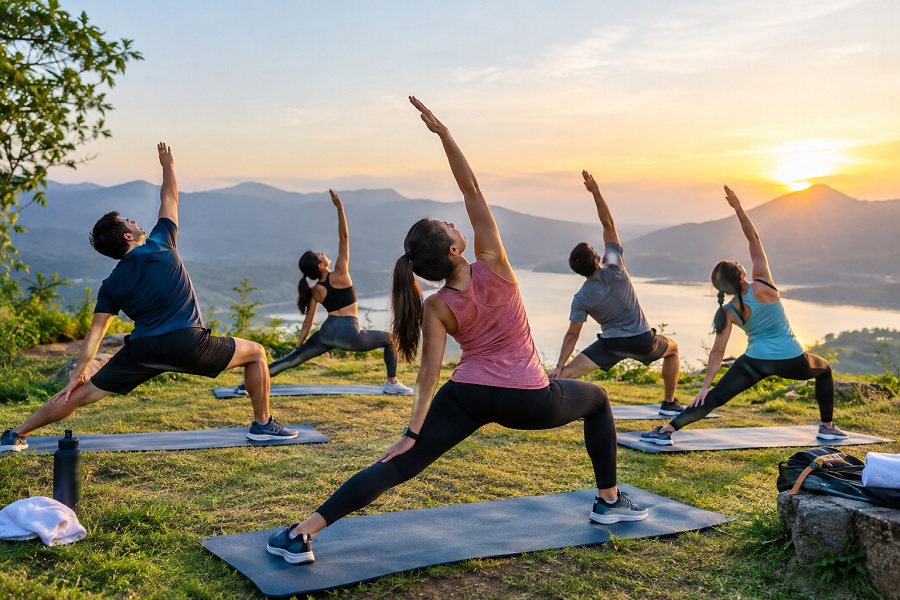
Another important aspect of fresh air tourism is its mental health benefits. Being surrounded by nature has been shown to lower anxiety, improve mood, and increase mental clarity. The quiet atmosphere of mountain regions allows travelers to disconnect from the pressures of daily life and reconnect with themselves. Many visitors use these peaceful surroundings for meditation, yoga, and mindfulness practices.
Popular mountain destinations around the world attract travelers seeking clean air and natural beauty. The Himalayas in India and Nepal, the Swiss Alps, the Rocky Mountains in North America, and the Japanese Alps are just a few regions known for their stunning landscapes and refreshing environments. These places offer not only breathtaking views but also an opportunity to experience a slower, healthier lifestyle.
Mountain tourism also supports eco-friendly travel practices. Many mountain communities promote sustainable tourism by encouraging visitors to respect nature, reduce waste, and support local businesses. Staying in eco-lodges, enjoying local cuisine, and participating in guided nature tours help preserve these fragile environments while benefiting local communities.
Another reason travelers are drawn to fresh air tourism is the opportunity to experience authentic local cultures. Mountain villages often maintain traditional lifestyles, unique cuisines, and vibrant cultural festivals. Visitors can interact with local residents, learn about their customs, and gain a deeper appreciation for the region’s heritage.
As global awareness about health and wellness continues to grow, fresh air tourism in mountain destinations is expected to become even more popular. Travelers are increasingly choosing experiences that promote relaxation, fitness, and environmental awareness rather than just sightseeing.
In conclusion, fresh air tourism offers the perfect combination of health, adventure, and natural beauty. Mountain destinations provide a peaceful refuge where travelers can breathe deeply, stay active, and reconnect with the natural world. Whether it’s hiking through lush forests, meditating by a mountain stream, or simply enjoying the quiet beauty of the peaks, these destinations remind us of the healing power of fresh air and nature.