Food Safety Tips for Travelers: Eat Smart, Travel Safe
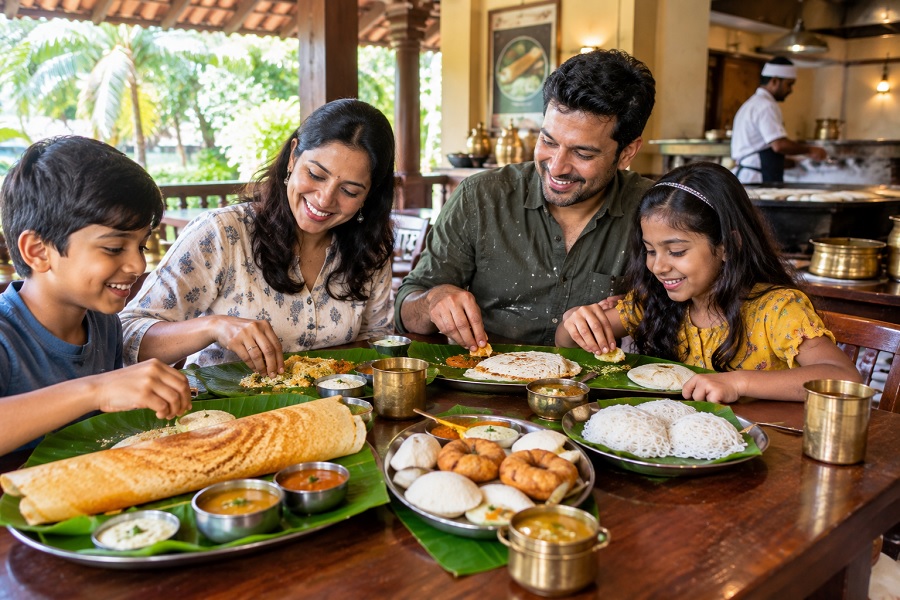
Exploring new destinations through food is one of the most exciting parts of travel. From street food stalls to fine dining restaurants, every meal offers a taste of local culture. However, trying unfamiliar cuisines also comes with certain health risks if proper precautions aren’t taken. Understanding food safety tips can help travelers enjoy delicious experiences without compromising their health.
Why Food Safety Matters While Traveling
When traveling, your body is exposed to new environments, ingredients, and hygiene standards. Differences in water quality, food handling practices, and cooking methods can sometimes lead to foodborne illnesses. Being mindful of what you eat and where you eat can make your journey both enjoyable and safe.
Choose Freshly Cooked Food
One of the golden rules of food safety is to eat food that is freshly prepared and served hot. Avoid dishes that have been sitting out for long periods, especially in open markets or buffets. Freshly cooked meals reduce the risk of bacterial contamination.
Be Careful with Water Consumption
Water safety is crucial while traveling. Always opt for:
Bottled or sealed water
Boiled or filtered water
Avoid ice cubes unless you’re sure they’re made from safe water
Even brushing your teeth with contaminated water can cause stomach issues, so be cautious.
Wash Fruits and Vegetables
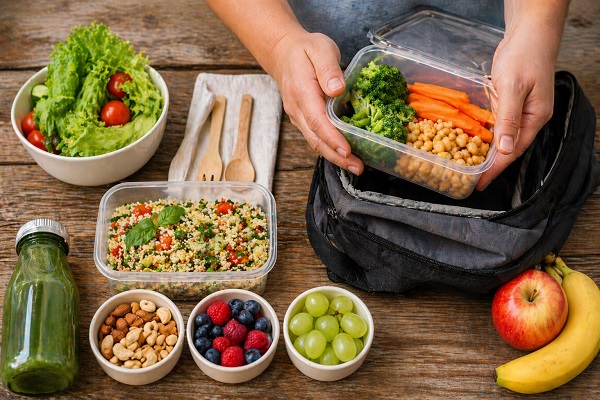
Raw fruits and vegetables can carry bacteria if not cleaned properly. Choose fruits that you can peel yourself, such as bananas, oranges, or mangoes. Avoid raw salads unless you’re confident about the hygiene standards of the place.
Check Hygiene Standards
Before eating at a restaurant or street stall, observe:
Cleanliness of the cooking area
Personal hygiene of the staff
Freshness of ingredients
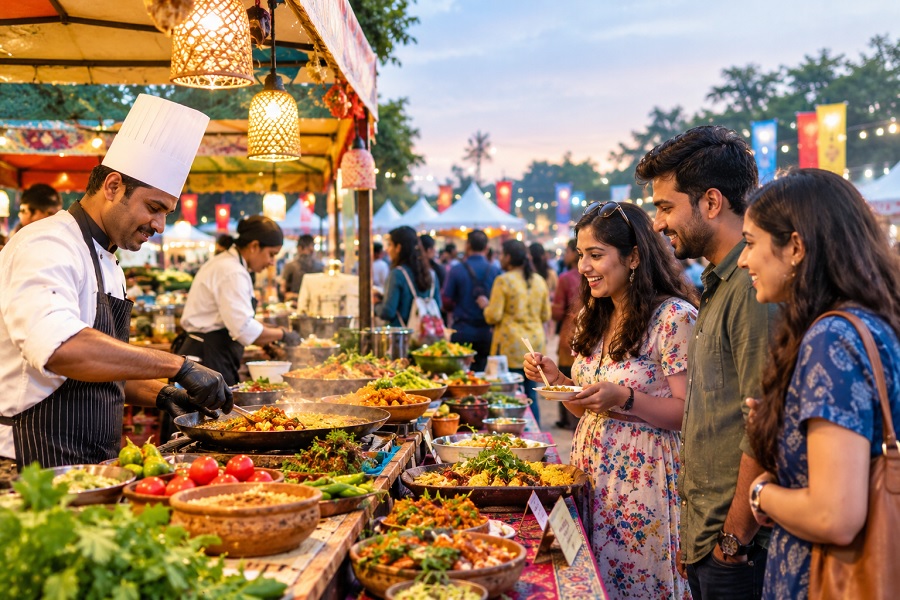
Crowds (busy places usually indicate good turnover and fresher food)
Trust your instincts—if something feels off, it’s better to skip it.
Avoid Risky Foods
Certain foods are more likely to cause illness while traveling:
Undercooked meat or seafood
Unpasteurized dairy products
Raw eggs or dishes containing them
Street food exposed to dust and pollution
Choosing well-cooked and properly stored food reduces risks significantly.
Carry Essentials for Food Safety
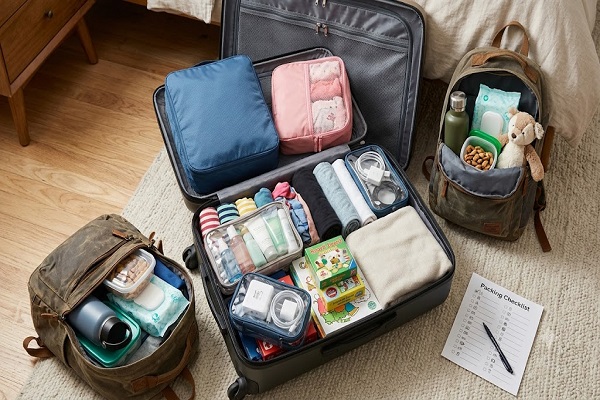
Travelers should always keep a few essentials handy:
Hand sanitizer or wipes
Basic medications for stomach issues
Reusable water bottle with filter
Oral rehydration salts
These items can be lifesavers in case of minor health problems.
Respect Local Food Practices
Every destination has its own food culture and preparation methods. While it’s great to explore, balance curiosity with caution. Ask locals or guides for recommendations on safe places to eat.
What to Do if You Get Sick
If you experience symptoms like nausea, vomiting, or diarrhea:
Stay hydrated
Avoid heavy or oily food
Take prescribed or basic medication
Seek medical help if symptoms persist
Quick action can prevent minor issues from becoming serious.
Enjoy Food, Stay Healthy
Food is an essential part of travel memories. By following simple safety measures, you can enjoy diverse cuisines without worry. Smart choices ensure that your travel experience remains joyful, healthy, and unforgettable.