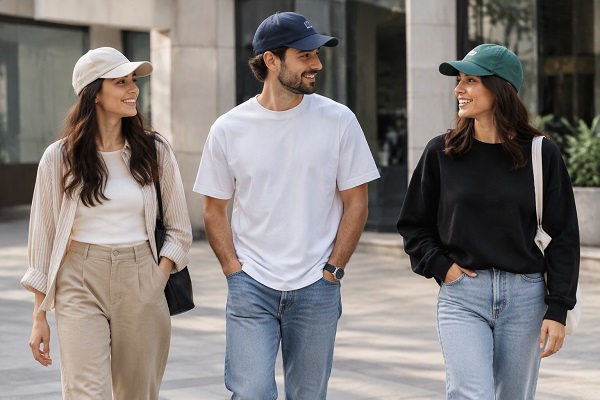
Fashion as Self-Expression Rather Than Social Approval
Fashion has always reflected society, but for a long time it also quietly enforced it. What people wore often wasn’t just about preference—it was about acceptance. Clothing became a language of approval, shaped by trends, expectations, and the unspoken pressure to fit in.
That dynamic is changing.
Today, fashion is increasingly becoming less about being accepted and more about being understood. The focus is shifting from “Does this look right to others?” to “Does this feel right to me?” This subtle change is reshaping how people approach clothing, style, and identity.
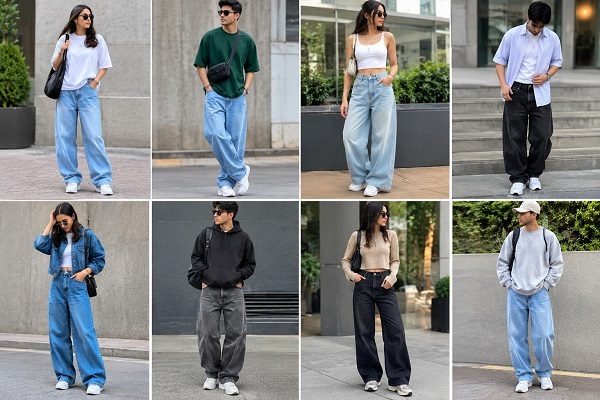
Self-expression in fashion is not a new idea, but its accessibility is. Social media, global exposure, and fast-moving style inspiration have broken the monopoly of a few dominant fashion voices. People are no longer limited to local trends or seasonal rules. They can pick influences from different cultures, eras, and subcultures and combine them in ways that reflect their personality rather than a prescribed look.
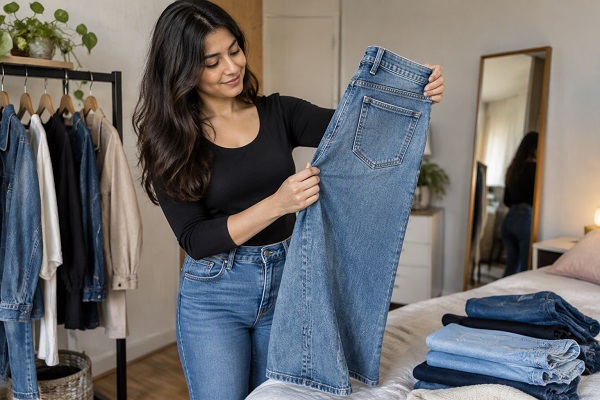
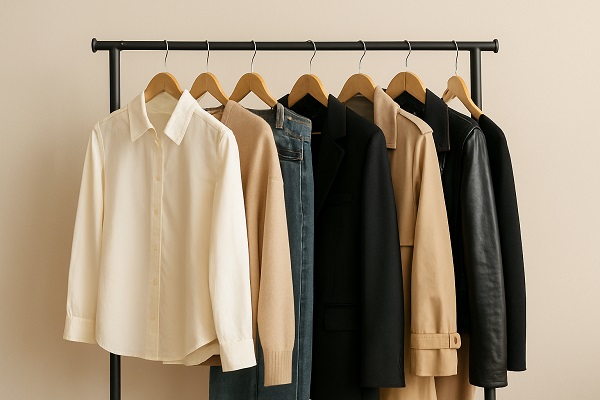
This has led to a more individualistic style culture. Outfits are less about uniformity and more about narrative. A wardrobe is no longer just a collection of clothes—it becomes a visual extension of identity. Someone might dress differently depending on mood, environment, or even mindset, without feeling the need to justify it.
One of the biggest changes is the decline of social validation as the primary driver of style choices. Earlier, dressing well often meant dressing in a way that would be approved by peers, workplaces, or social circles. Now, there is a growing comfort in standing slightly apart from that expectation. Being different is no longer automatically seen as inappropriate; it is increasingly seen as authentic.
This shift is also connected to confidence. When fashion becomes personal, it reduces the need for constant external approval. People begin to trust their own sense of style rather than relying on trends to dictate what is “acceptable.” This doesn’t eliminate influence, but it changes its role—from instruction to inspiration.
At the same time, this freedom brings complexity. When there are no fixed rules, choices become entirely personal, and that can feel overwhelming. The abundance of options means individuals must define their own boundaries, their own aesthetics, and their own sense of coherence. Self-expression requires clarity, not just variety.
Another important layer is how identity itself is becoming more fluid. People are no longer limiting themselves to one fixed style. Formal and casual, minimal and expressive, traditional and modern—these boundaries are blending. Fashion becomes a tool to reflect different versions of the self rather than a single consistent image.
This evolution also challenges the idea of “dressing for others.” While social context still matters, it is no longer the dominant factor. Instead, clothing is increasingly used as a form of internal alignment. What you wear becomes less about signalling status and more about signalling presence—to yourself first, and others second.
In this sense, fashion is slowly returning to something more personal and less performative. It is no longer just about fitting into spaces, but about occupying them comfortably as oneself.
The shift from social approval to self-expression is not loud or abrupt. It is happening outfit by outfit, choice by choice, in everyday decisions that seem small but accumulate into a larger cultural change.
Fashion is still visual. It will always be seen. But what is changing is why it is worn in a certain way. And that change is moving it closer to something more honest—less about being approved, and more about being expressed.