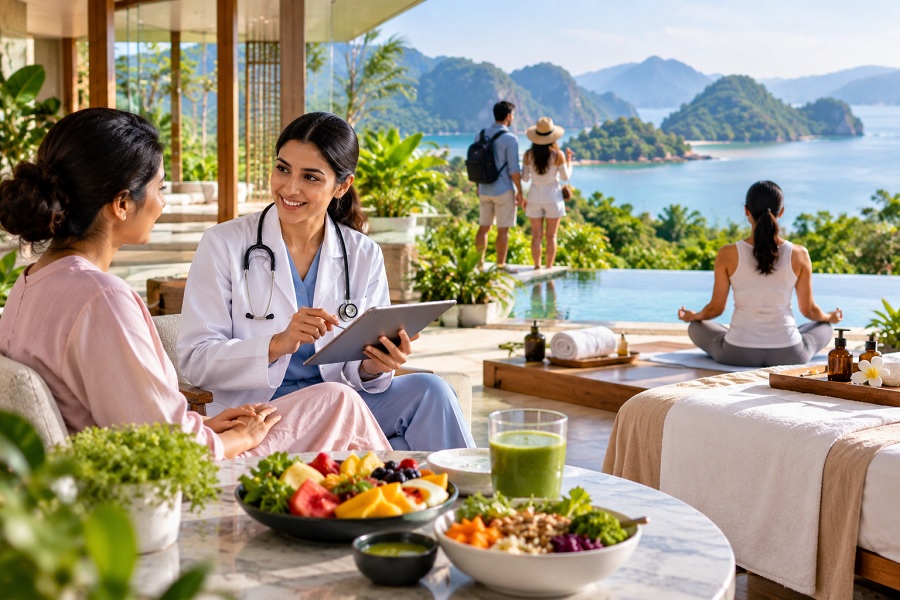
Explore the World Through Health, Fitness, and Wellness Tourism
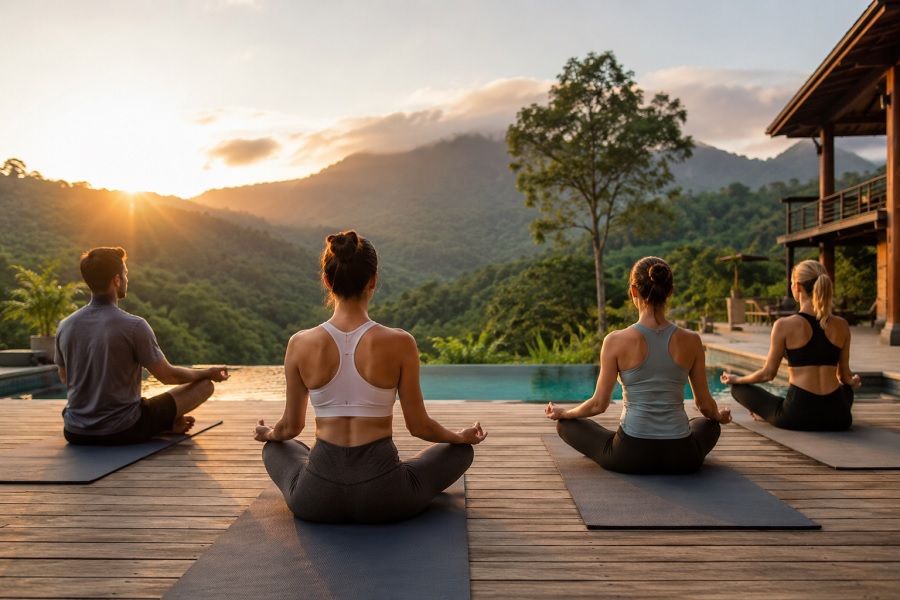
Health and Fitness Tourism: Active Travel for Better Well-Being
Health and Fitness Tourism combines travel with physical activity, wellness, healthy lifestyle practices, nutrition, relaxation, and personal well-being. Instead of treating a holiday as a complete break from healthy routines, travelers are increasingly choosing destinations and experiences that help them stay active and refreshed.
In 2026, wellness travel is moving beyond traditional spa holidays. Current trends include outdoor fitness, endurance activities, deep-rest programs, nature-based wellness, personalized travel, and technology-supported health experiences. The Global Wellness Institute identifies trends such as urban recovery travel, cool-climate travel, deep rest, and AI-designed wellness journeys as important developments for 2026.
What Is Health and Fitness Tourism?
Health and fitness tourism refers to travel undertaken partly or primarily to support physical fitness, healthy living, recovery, relaxation, or overall well-being.
It can include:
Fitness retreats
Yoga vacations
Hiking holidays
Cycling tours
Sports camps
Wellness resorts
Nutrition retreats
Spa and recovery experiences
Meditation programs
Nature-based wellness trips
Sleep and relaxation retreats
Fitness-focused adventure holidays
These experiences can range from an active weekend getaway to a longer wellness retreat.
Why Health and Fitness Tourism Is Growing
Travelers are increasingly looking for holidays that provide more than sightseeing. They want experiences that support healthy routines while allowing them to explore new destinations.
Recent wellness travel coverage highlights a growing interest in outdoor endurance activities, recreational running, nature experiences, and fitness-focused travel.
At the same time, travelers are also looking for balance. Health-focused holidays are increasingly combining exercise with relaxation, good food, social connection, and time in nature rather than focusing exclusively on intense workouts.
Fitness Retreat Experiences
Fitness retreats are designed for travelers who want structured physical activities during their vacation.
A retreat may include:
Strength training
Functional fitness
Yoga
Pilates
Walking
Hiking
Swimming
Cycling
Mobility sessions
Stretching
Guided outdoor workouts
Programs vary widely, so travelers should select activities that match their fitness level and personal goals.
Adventure and Fitness Tourism
Adventure travel can naturally combine exercise with exploration. Hiking through mountains, cycling along scenic routes, kayaking on lakes, or walking through forests can make physical activity part of the travel experience.
The growing popularity of endurance events is also influencing wellness tourism. Travelers increasingly combine holidays with participation in marathons, cycling events, hiking challenges, and other recreational sports.
Yoga and Fitness Vacations
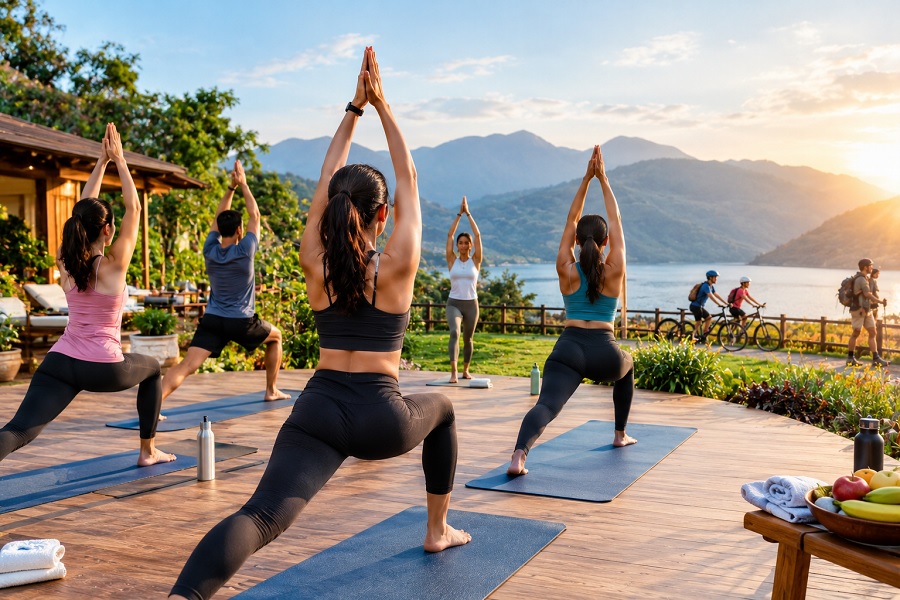
Yoga vacations are among the most accessible forms of health and fitness tourism. They can combine physical movement with breathing exercises, meditation, healthy meals, and relaxation.
Destinations with beaches, mountains, forests, or peaceful rural landscapes can provide an attractive setting for yoga retreats.
Travelers can choose programs ranging from beginner-friendly sessions to advanced retreats.
Hiking and Walking Tourism
Walking and hiking are simple ways to combine fitness with sightseeing.
A hiking holiday can allow travelers to explore:
Mountain trails
Forest paths
Coastal routes
National parks
Rural villages
Scenic valleys
Countryside landscapes
Walking-based tourism can also be suitable for travelers who prefer moderate physical activity rather than intensive fitness programs.
Cycling Tourism
Cycling tourism combines exercise, transportation, and exploration. Travelers can discover destinations by bicycle while enjoying scenic roads, countryside routes, coastal paths, and dedicated cycling trails.
Cycling holidays can be designed for different experience levels, from relaxed family rides to challenging multi-day cycling adventures.
Wellness Resorts and Fitness Programs
Many wellness resorts now combine accommodation with fitness, nutrition, recovery, and relaxation services.
A modern wellness program may include exercise classes, healthy meals, spa treatments, nature activities, sleep-focused programs, and mindfulness sessions.
The industry is also moving toward more personalized experiences. Wellness providers are increasingly using technology and guest profiling to create programs based on individual interests and goals.
Health-Focused Nutrition Tourism
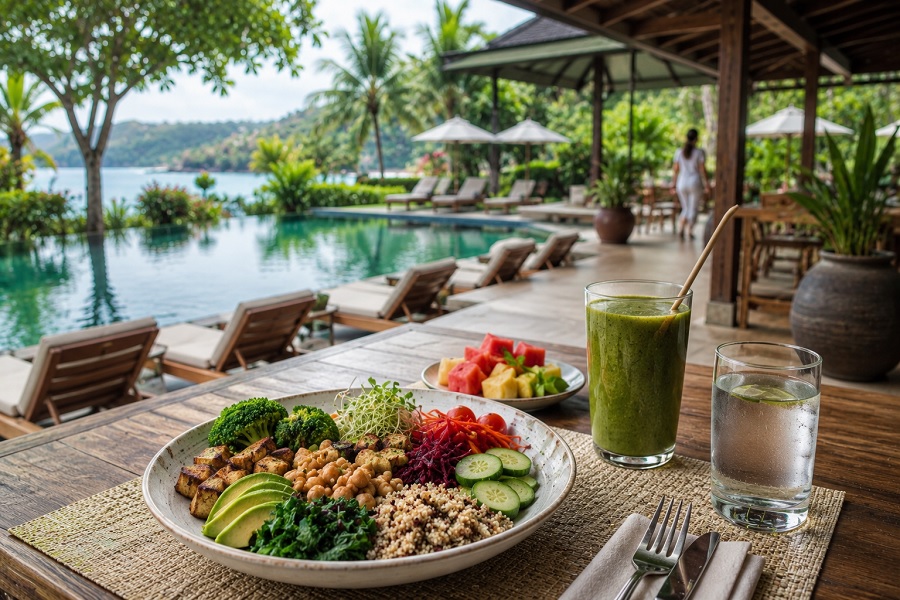
Food plays an important role in health and fitness tourism. Travelers may choose destinations offering fresh local produce, nutritious cuisine, cooking workshops, farm-to-table meals, and nutrition-focused retreats.
Healthy culinary experiences can include:
Organic farm visits
Healthy cooking classes
Local food tours
Plant-based cooking
Fresh juice workshops
Traditional healthy cuisine
Farmers' market visits
Nutrition education
Travelers should be cautious about exaggerated health claims and choose credible professionals when seeking medical or nutritional advice.
Nature-Based Fitness Tourism
Nature can provide an excellent environment for physical activity and relaxation.
Forest walks, mountain hikes, beach yoga, outdoor swimming, cycling, and nature photography walks can combine movement with exposure to natural environments.
Current wellness travel trends show growing interest in returning to nature, quieter destinations, outdoor challenges, and elemental experiences.
Recovery and Rest
Health tourism is not only about exercise. Recovery is equally important.
Modern wellness travel increasingly includes experiences designed around sleep, relaxation, reduced stimulation, and recovery. The Global Wellness Institute lists Deep Rest as one of its major 2026 wellness tourism trends.
Recovery-focused travel may include:
Sleep retreats
Gentle stretching
Sauna experiences
Spa treatments
Meditation
Quiet nature stays
Relaxation sessions
Low-intensity movement
This creates a more balanced approach to health-focused travel.
Health and Fitness Tourism in India
India offers a broad range of health and fitness tourism experiences because of its combination of natural landscapes, yoga traditions, wellness centers, Ayurveda, outdoor activities, and diverse regional cuisine.
Popular experiences can include:
Yoga retreats in Rishikesh
Ayurveda wellness programs in Kerala
Himalayan hiking holidays
Beach wellness retreats
Nature-based fitness programs
Meditation retreats
Organic farm stays
Healthy cooking experiences
India is also developing its medical and wellness tourism ecosystem, with government initiatives supporting medical value travel and traditional wellness systems such as AYUSH.
Family Health and Fitness Vacations
Health and fitness tourism can also be designed for families. Instead of separating children and adults into completely different activities, family programs can include accessible outdoor adventures and healthy recreational activities.
Examples include:
Family cycling
Nature walks
Swimming
Beginner yoga
Farm visits
Healthy cooking classes
Beach activities
Outdoor games
Family hiking
Family wellness travel is also emerging as a notable direction in the wider wellness tourism market.
Fitness Tourism for Solo Travelers
Solo travelers can benefit from group fitness retreats and sports-focused holidays because these experiences create opportunities to meet people with similar interests.
Running groups, cycling tours, yoga retreats, hiking programs, and fitness camps can provide both physical activity and social interaction.
Current luxury wellness trends also emphasize social connection and shared experiences, rather than treating wellness as an entirely solitary activity.
Sustainable Health and Fitness Tourism
Sustainability is becoming increasingly important in wellness travel.
Travelers can reduce their environmental impact by choosing:
Walking and cycling activities
Locally operated accommodations
Public transportation
Locally sourced food
Eco-friendly resorts
Small-group experiences
Nature conservation activities
Reusable travel products
Combining fitness with low-impact transportation can make a trip beneficial for both travelers and destinations.
Technology in Health and Fitness Tourism
Technology is creating new possibilities for personalized wellness travel. Wearables, fitness applications, sleep trackers, digital consultations, and AI-supported itinerary planning can help travelers organize activities around their preferences.
The Global Wellness Institute specifically identifies AI-designed wellness travel as a 2026 trend, reflecting the move toward more personalized wellness journeys.
Technology should complement professional guidance rather than replace qualified medical or fitness advice.
Tips for Planning a Health and Fitness Vacation
Before booking a health or fitness-focused trip, travelers should consider:
Choose activities appropriate for your fitness level.
Research the qualifications of instructors and wellness professionals.
Check what medical or emergency support is available.
Avoid programs making unrealistic health claims.
Allow adequate time for rest and recovery.
Check food options and communicate allergies or dietary requirements.
Stay hydrated, particularly in hot climates.
Use appropriate footwear and protective equipment.
Consider travel insurance suitable for planned activities.
Consult a healthcare professional if you have specific medical concerns before undertaking demanding activities.
The Future of Health and Fitness Tourism
The future of health and fitness tourism is likely to be more personalized, flexible, and experience-driven.
Instead of traditional fitness holidays built around intense exercise, travelers are increasingly looking for balanced programs that combine movement, nutrition, sleep, nature, relaxation, social connection, and cultural experiences.
The rise of personalized wellness technology, deep-rest programs, outdoor activities, and nature-based retreats suggests that health tourism will increasingly focus on sustainable lifestyle habits rather than short-term vacation programs.
Conclusion
Health and Fitness Tourism provides travelers with an opportunity to combine exploration with physical activity, healthy living, relaxation, and personal well-being. From hiking and cycling to yoga, fitness retreats, healthy cuisine, and recovery programs, there are options for almost every type of traveler.
The most valuable experiences are those that encourage realistic, sustainable habits while allowing people to enjoy their destination. As wellness travel continues to evolve in 2026, the focus is shifting toward personalized programs, meaningful outdoor experiences, deep rest, and a healthier balance between activity and relaxation.








More News
Active Wellness Holidays: Fitness Coaching, Nature Activities and Healthy Lifestyle Experiences