Designer Hotels Interior Review
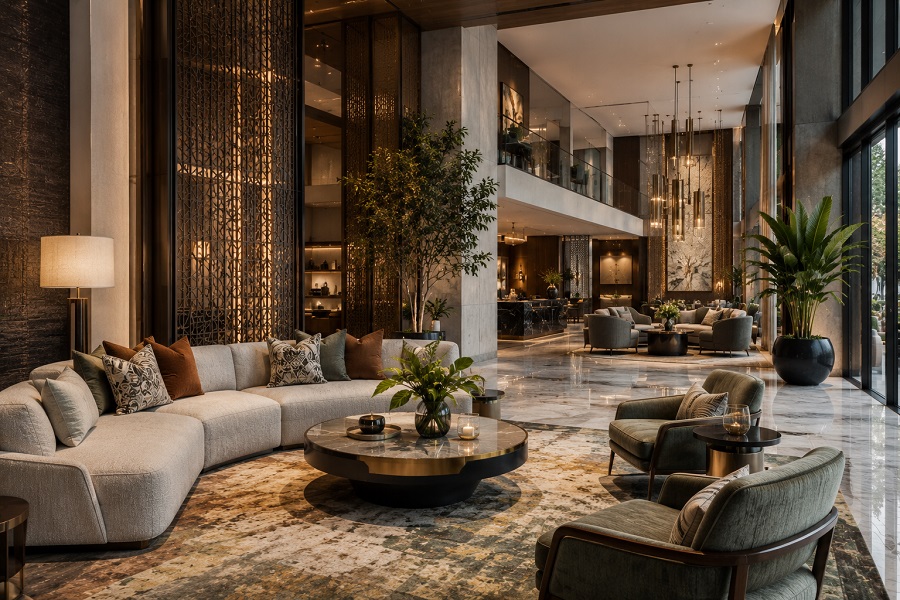
Designer Hotels Interior Review: Where Architecture Meets Luxury Living
Introduction
Designer hotels are redefining modern hospitality by blending architecture, interior design, art, and luxury lifestyle experiences. Unlike traditional hotels, these properties are created by world-famous architects and interior designers who focus on aesthetics, storytelling, and immersive guest experiences.
A Designer Hotels Interior Review focuses on how space, lighting, materials, comfort, and creativity come together to shape a unique stay.
What Makes Designer Hotel Interiors Special?
Designer hotels are not just places to stay—they are curated visual experiences. Key elements include:
Signature architectural design
Artistic room layouts
Custom-made furniture
Mood-based lighting systems
Luxury materials (marble, glass, wood, brass)
Cultural storytelling through interiors
Each hotel becomes a living piece of art.
1. Architecture-Driven Interiors
Designer hotels often start with a bold architectural concept:
Minimalist modern structures
Futuristic glass buildings
Heritage-inspired palaces
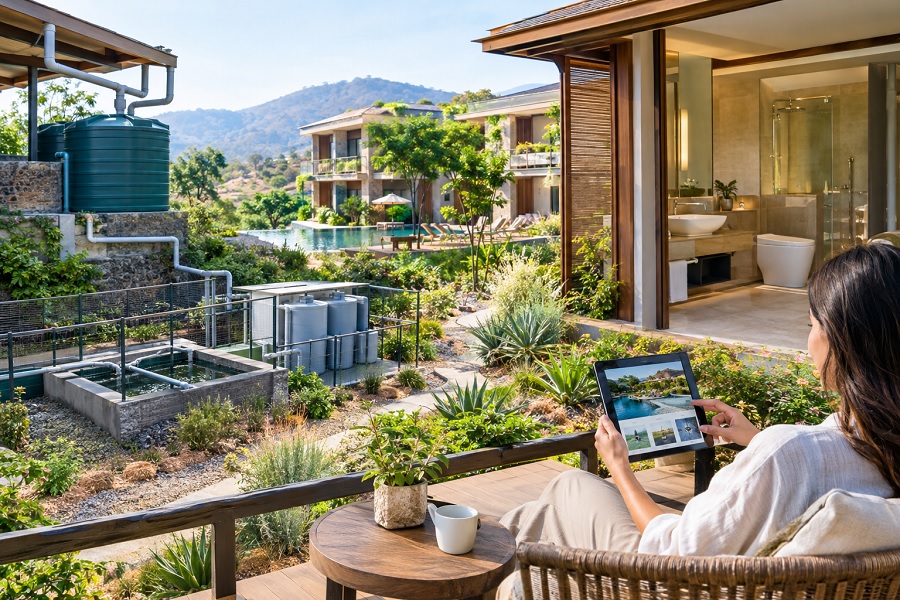
Eco-integrated natural designs
The architecture directly influences the guest experience, creating visual harmony between interior and exterior spaces.
2. Luxury Room Design Experience
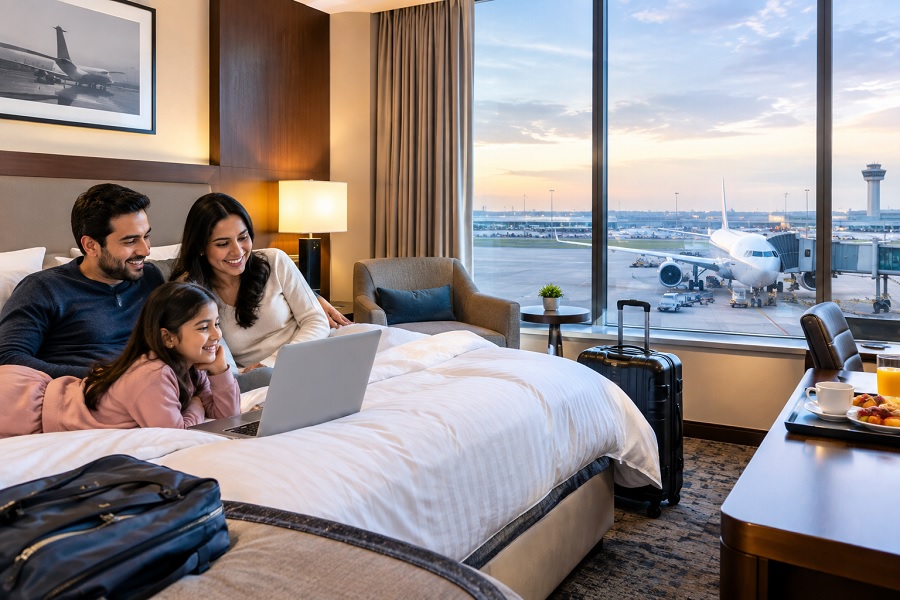
Rooms in designer hotels focus on:
Spacious layouts
Floor-to-ceiling windows
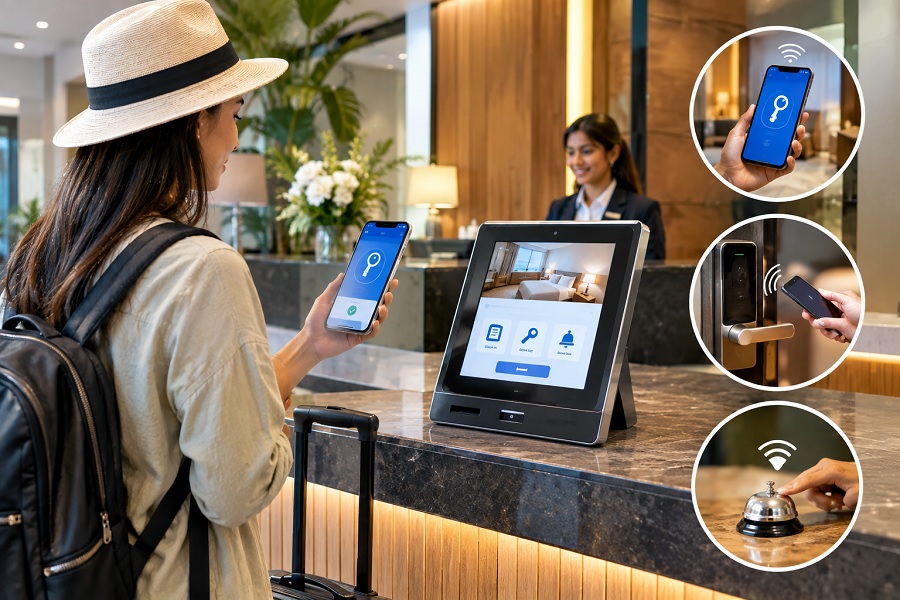
Smart room controls
Ergonomic luxury furniture
Artistic wall installations
Personalized ambiance settings
The goal is to make every room feel like a private luxury studio.
3. Lighting & Mood Design
Lighting is one of the most powerful tools in designer hotels:
Warm golden ambient lighting for relaxation
Natural daylight optimization
Artistic LED installations
Mood-changing smart lighting systems
Lighting enhances emotional comfort and visual appeal.
4. Art-Centric Interiors
Many designer hotels function like art galleries:
Sculptures in lobbies
Handcrafted installations
Local cultural artwork
Rotating art exhibitions
Guests experience culture and creativity in every corner.
5. Sustainable Interior Design Trends
Modern designer hotels also focus on sustainability:
Eco-friendly materials
Green walls and indoor plants
Energy-efficient systems
Water-saving bathroom designs
Locally sourced décor elements
Luxury now meets environmental responsibility.
6. Signature Spaces in Designer Hotels
Lobby Design
Grand, artistic, and visually impactful entrances that set the tone.
Restaurant Interiors
Themed dining spaces with immersive lighting and décor.
Spa & Wellness Zones
Minimalist, calming interiors focused on nature and serenity.
Pool Areas
Infinity pools, glass edges, and architectural symmetry.
7. Guest Experience Through Design
Designer hotels focus on emotional experience:
Visual storytelling through interiors
Comfort blended with aesthetics
Personalized luxury environments
Instagram-worthy spaces
Immersive cultural design elements
Every corner is designed to be memorable.
8. Future of Designer Hotel Interiors
Future trends include:
AI-personalized room design
Smart adaptive interiors
VR/AR integrated hotel spaces
Biophilic (nature-connected) architecture
Fully sustainable luxury hotels
Modular and transformable rooms
Designer hotels are moving toward intelligent luxury ecosystems.