Chalanasana helps control weight and eliminates PCOD; the practice has many benefits.
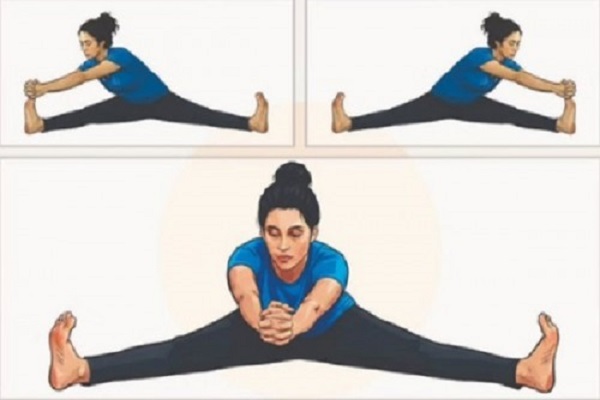
Yoga has long been recognized as a natural way to support overall health, improve flexibility, and promote mental well-being. Among the many yoga practices gaining attention for their health benefits is Chalanasana, a dynamic yogic movement known for supporting weight management and helping improve hormonal balance. Many practitioners believe that regular practice of Chalanasana can also help manage symptoms associated with Polycystic Ovarian Disease (PCOD).
This simple yet effective yoga practice is becoming increasingly popular among women seeking natural ways to maintain hormonal health and overall fitness.
What is Chalanasana?
Chalanasana is a yoga movement that involves rhythmic abdominal and pelvic movements. The word “Chalan” means movement or motion, and the asana focuses on activating the abdominal muscles and stimulating internal organs.
Unlike many static yoga poses, Chalanasana involves gentle repetitive movement that improves circulation, activates the core muscles, and stimulates the digestive and reproductive systems.
How Chalanasana Helps with Weight Control
Weight gain is often linked to a sedentary lifestyle, slow metabolism, and hormonal imbalance. Chalanasana works by stimulating the abdominal region, which can help improve digestion and metabolism.
Regular practice of this yoga movement may:
Activate abdominal muscles
Improve digestion
Boost metabolism
Reduce fat accumulation around the belly
Over time, these benefits may help individuals maintain a healthier body weight when combined with a balanced diet and regular physical activity.
Role of Chalanasana in Managing PCOD
Polycystic Ovarian Disease is a hormonal condition that affects many women of reproductive age. It is often associated with irregular menstrual cycles, weight gain, hormonal imbalance, and metabolic issues.
Yoga practices like Chalanasana may help in managing PCOD by:
Improving blood circulation to the pelvic area
Supporting hormonal balance
Reducing stress levels
Enhancing metabolism
Since stress and lifestyle factors play a major role in PCOD symptoms, incorporating yoga into daily routines may provide both physical and mental benefits.
Additional Health Benefits
Apart from supporting weight control and hormonal balance, Chalanasana offers several other health advantages.
Improves digestion: The movement stimulates digestive organs, helping relieve bloating and sluggish digestion.
Strengthens core muscles: The repeated abdominal movements help tone and strengthen the core region.
Boosts energy levels: Regular practice improves blood circulation and oxygen flow throughout the body.
Supports mental relaxation: Like many yoga practices, it can help reduce stress and promote a sense of calm.
Practicing Chalanasana Safely
While Chalanasana is generally considered simple and safe, beginners should learn the correct technique from a trained yoga instructor. Practicing on an empty stomach and maintaining steady breathing during the movement can enhance its benefits.
People with existing medical conditions should consult a healthcare professional before starting any new yoga routine.
Conclusion
Chalanasana is a powerful yet accessible yoga practice that supports multiple aspects of health. By stimulating the abdominal and pelvic regions, it may help control weight, improve metabolism, and support the management of Polycystic Ovarian Disease.
When practiced regularly along with a balanced lifestyle, Chalanasana can contribute to better hormonal health, improved digestion, and overall well-being.