Living Simply Outdoors: Why Families Are Returning to Nature
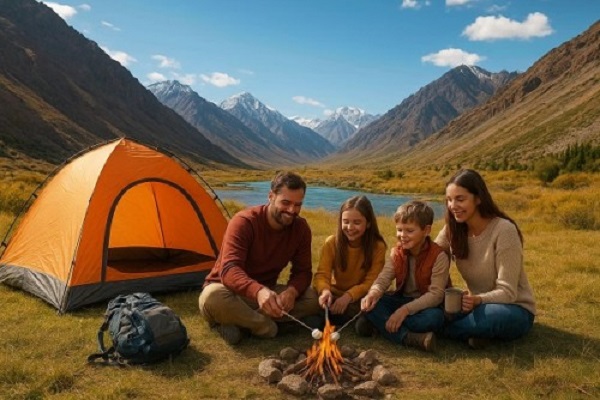
In an age dominated by smartphones, streaming services, and busy schedules, many families are rediscovering the simple joy of spending time outdoors. Parks, forests, beaches, mountains, and even neighborhood gardens are becoming places where parents and children reconnect—not only with nature but also with each other. The growing movement toward living simply outdoors reflects a desire to slow down, reduce stress, and embrace a healthier, more meaningful lifestyle.
The Need to Escape Digital Overload
Modern life often revolves around screens. Children spend hours on tablets, while adults juggle work emails, social media, and endless notifications. This constant digital engagement can leave families feeling disconnected despite living under the same roof.
Outdoor activities provide a refreshing escape. Whether it's a weekend picnic, a camping trip, or an evening walk, spending time in nature allows everyone to unplug and focus on the present moment.
Strengthening Family Bonds
Nature creates opportunities for shared experiences that build lasting memories. Activities such as hiking, fishing, birdwatching, gardening, or simply watching a sunset encourage meaningful conversations and teamwork.
Unlike indoor entertainment, outdoor adventures don't require expensive gadgets or elaborate planning. Families often find that the simplest moments—collecting seashells, roasting marshmallows, or exploring a forest trail—become the most cherished memories.
Physical Health Benefits
Living simply outdoors naturally encourages movement. Children run, climb, jump, and explore, while adults enjoy walking, cycling, or hiking. These activities improve cardiovascular health, strengthen muscles, and promote better overall fitness.
Additional health benefits include:
Increased Vitamin D from sunlight.
Improved sleep quality.
Better immune function.
Reduced risk of obesity.
Enhanced energy levels.
Fresh air and regular exercise contribute to healthier lifestyles for every family member.
Supporting Mental Well-Being
Nature has a calming effect on the mind. Studies consistently show that spending time outdoors helps reduce stress, anxiety, and mental fatigue. Green spaces encourage relaxation and mindfulness, allowing families to recharge away from everyday pressures.
Children especially benefit from outdoor play, which supports emotional development, creativity, and problem-solving skills.
Teaching Valuable Life Skills
Outdoor living provides practical learning experiences that cannot always be taught in classrooms.
Families can learn:
Basic camping and survival skills.
Gardening and growing food.
Respect for wildlife.
Environmental conservation.
Navigation and map reading.
Cooking outdoors.
These experiences build confidence, independence, and resilience in both children and adults.
Affordable Family Adventures
One reason many families are returning to nature is affordability. Outdoor recreation often costs far less than shopping malls, amusement parks, or expensive vacations.
Budget-friendly outdoor ideas include:
Visiting local parks.
Family bike rides.
Backyard camping.
Nature photography.
Community gardening.
Beach walks.
Forest hikes.
Stargazing nights.
Many of these activities require little more than comfortable clothing and a sense of adventure.
Building Environmental Awareness
Children who spend time outdoors develop a stronger appreciation for the environment. They learn firsthand about plants, animals, weather patterns, and ecosystems. This connection often encourages lifelong habits such as recycling, conserving water, reducing waste, and protecting wildlife.
Families become more mindful of their environmental footprint while enjoying the beauty of natural landscapes.
Creating a Simpler Lifestyle
Returning to nature often inspires families to simplify other aspects of life. Many begin prioritizing experiences over possessions, choosing quality time together instead of accumulating more things.
Simple outdoor traditions may include:
Morning walks.
Weekend hikes.
Family gardening.
Outdoor meals.
Campfire storytelling.
Seasonal nature adventures.
These routines help establish balance and reduce the stress associated with modern living.
Easy Ways to Get Started
Families don't need to live near mountains or forests to embrace outdoor living. Small steps can make a big difference.
Start by:
Taking daily walks.
Eating dinner outside.
Visiting a nearby nature reserve.
Growing herbs or vegetables.
Exploring local hiking trails.
Planning monthly camping trips.
Limiting screen time during weekends.
Consistency matters more than distance or cost.
Conclusion
Living simply outdoors is more than a trend—it's a return to values that prioritize health, connection, and balance. Nature offers families an opportunity to slow down, strengthen relationships, and create unforgettable experiences without relying on technology or expensive entertainment.
As more people seek meaningful ways to spend time together, the outdoors continues to provide a timeless reminder that life's greatest joys are often found in its simplest moments. Whether it's a quiet walk through a park, a family camping trip, or an afternoon spent gardening, reconnecting with nature can enrich family life in countless ways while fostering healthier, happier, and more sustainable lifestyles.