Celebrating Diwali with Senior Citizens: Thoughtful Ways to Make the Festival Special
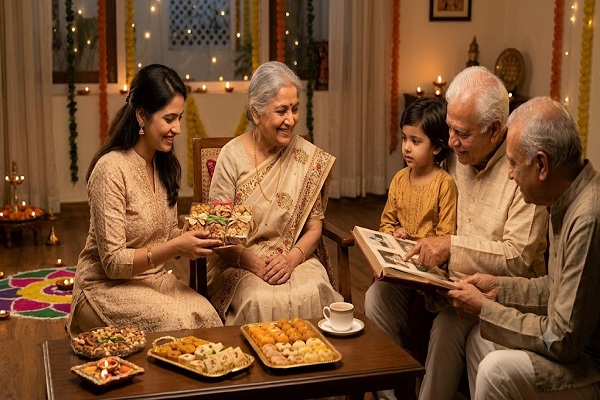
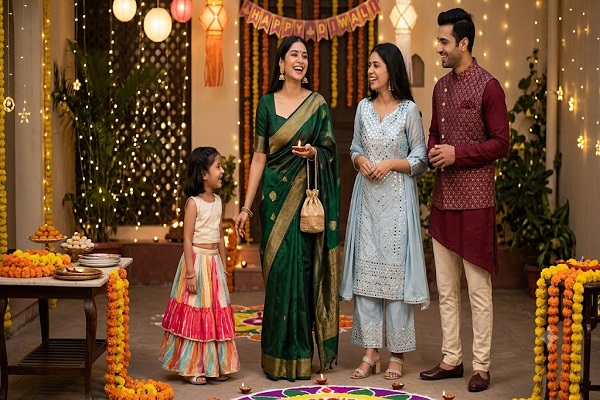
Diwali is a festival of lights, happiness and togetherness. While families decorate their homes, prepare traditional sweets and exchange gifts, the festival also offers an opportunity to show love and appreciation for senior citizens. For grandparents and elderly family members, meaningful conversations, familiar traditions and quality time with loved ones can make the celebrations especially memorable.
As families prepare for Diwali 2026, thoughtful planning can help ensure that older adults feel included, comfortable and valued throughout the festivities. From creating a peaceful environment to sharing cherished memories, small gestures can turn an ordinary celebration into a special experience for every generation.
1. Revisit Cherished Family Traditions
For many senior citizens, Diwali brings back memories of childhood celebrations, traditional recipes and family gatherings from earlier years. Bringing these traditions into the present can make the festival more meaningful.
Families can invite elderly members to share stories about how Diwali was celebrated in the past, including the decorations they used, the sweets they prepared and the customs followed in their homes.
Recreating a favourite family tradition, preparing a familiar festive dish or arranging an old family photo display can help strengthen emotional connections between generations.
2. Create a Comfortable and Safe Festive Environment
A welcoming home is essential for a pleasant Diwali celebration, particularly for older adults who may have difficulty moving around or adjusting to crowded surroundings.
Keep walkways clear of decorative items, electrical wires and loose rugs. Ensure that stairs, entrances and frequently used areas have adequate lighting. Place chairs with proper back support in convenient locations so that senior citizens can rest whenever needed.
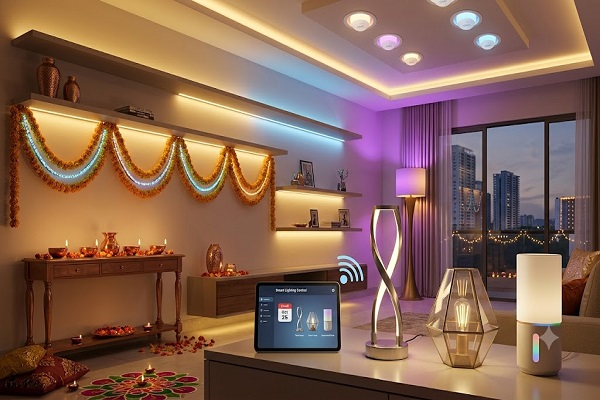
Avoid placing candles and traditional oil lamps near curtains, furniture or walking paths. Battery-operated decorative lights can be a practical alternative in areas where an open flame could create a safety concern.
These simple arrangements can help elderly family members participate in the celebrations with greater comfort and confidence.
3. Plan Quieter and More Relaxing Celebrations
Festive gatherings can become tiring when they involve loud music, crowded rooms and late-night activities. Some senior citizens may prefer a calmer atmosphere, particularly those who are sensitive to noise or have difficulty sleeping.
Consider organising family activities earlier in the evening and providing a quieter room where elderly members can relax if they need a break.
Families should also be mindful of firecracker noise and smoke, which can cause discomfort for older adults, especially those with respiratory or cardiovascular conditions. Choosing quieter celebrations and avoiding fireworks near the home can make the festival more comfortable for everyone.
4. Prepare Their Favourite Festive Foods
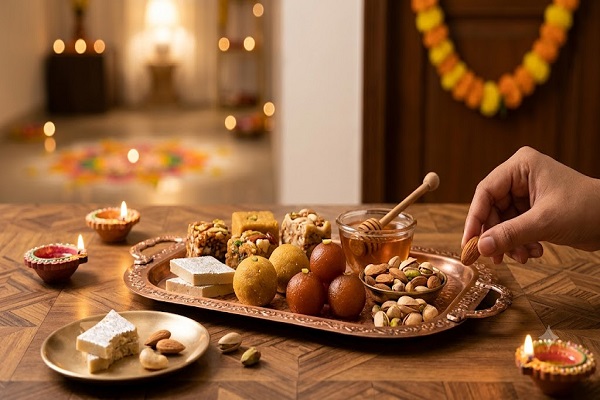
Food is an important part of Diwali, and sharing familiar dishes can bring back happy memories. Families can prepare senior citizens' favourite sweets, snacks and traditional meals as part of the celebration.
However, it is important to consider individual dietary needs. Older adults who have diabetes, high blood pressure, swallowing difficulties or other medical conditions may need specific food choices.
Offer suitable portions, provide drinking water regularly and include balanced meals alongside festive treats. Where necessary, consult their healthcare professional about dietary restrictions rather than assuming that all traditional foods are suitable for everyone.
Involving elderly family members in selecting the menu can also make them feel included in the preparations.
5. Choose Thoughtful and Practical Diwali Gifts
A meaningful gift does not need to be expensive. The best choice is often something that reflects an elderly person's interests, preferences or everyday needs.
Consider gifts such as comfortable clothing, a favourite book, family photographs in a frame, a personalised photo album, indoor plants that are easy to maintain or a useful item for a favourite hobby.
If a senior citizen enjoys music, a collection of familiar songs may be a thoughtful option. For someone who values family connections, a handwritten letter expressing gratitude and affection may be more meaningful than a costly present.
Before buying practical items, consider whether they are easy to use and suitable for the recipient's needs.
6. Spend Quality Time Together
One of the most valuable gifts families can offer senior citizens is their time and attention. During busy festive preparations, elderly family members may sometimes feel overlooked, even when surrounded by relatives.
Set aside time to sit together, listen to their experiences and discuss family memories. Invite them to participate in activities they enjoy, such as arranging flowers, decorating a small area of the home, choosing festive music or preparing a traditional recipe.
For family members who live far away, a video call can help maintain a sense of connection. Children can also participate by making handmade greeting cards or recording short festive messages for their grandparents.
These simple moments can create lasting memories without requiring elaborate arrangements.
7. Make Diwali Decorations Accessible
Decorating the home can be an enjoyable family activity, but some tasks may be difficult or risky for older adults. Instead of asking them to climb ladders, carry heavy objects or handle electrical installations, offer comfortable ways to participate.
Senior citizens can help choose colour combinations, arrange flowers while seated, select rangoli designs or decide where decorative items should be placed.
Use stable decorations and ensure that lamps, wires and other objects do not obstruct movement. Keep frequently used items within easy reach and avoid arrangements that require bending or stretching excessively.
The aim is to make decorating a shared activity rather than a physically demanding task.
8. Support Their Health and Daily Routine
Diwali celebrations can disrupt familiar schedules, but maintaining regular routines can help senior citizens feel comfortable.
Encourage them to follow their usual medication schedule, eat regular meals and get sufficient rest. Keep essential medicines and emergency contact details accessible, particularly when the family is hosting guests or travelling.
Avoid excessive exposure to smoke, and provide a well-ventilated indoor environment. If outdoor air quality is poor, consider limiting time outside, especially for people with existing breathing or heart conditions.
Family members should also watch for signs of unusual fatigue or discomfort and seek medical assistance when necessary.
9. Include Senior Citizens in Community Celebrations
Not every elderly person has a large family gathering at home. Some may live alone, while others may have limited opportunities to socialise.
A visit to an elderly neighbour, a festive greeting to a retired colleague or an invitation to a small community celebration can help reduce feelings of isolation.
Housing societies and community groups can organise accessible gatherings with comfortable seating, suitable lighting, quieter activities and convenient arrangements for older participants.
These initiatives can help build stronger relationships and create a more inclusive festive atmosphere.
10. Express Gratitude and Appreciation
Diwali provides a natural opportunity to acknowledge the guidance, experiences and contributions of senior family members.
Children and grandchildren can express their appreciation through a handwritten note, a family video or a conversation about the lessons they have learned from their elders.
Families may also create a small tradition in which each member shares something they admire or appreciate about an older relative. Such gestures can help senior citizens feel respected and emotionally connected to the family.
The value of these expressions lies in their sincerity, not their size or expense.
Conclusion
Celebrating Diwali with senior citizens is about more than exchanging gifts or preparing festive meals. It is an opportunity to honour family traditions, strengthen relationships and ensure that older adults feel safe, comfortable and included.
Thoughtful decorations, familiar foods, meaningful conversations and a little extra attention to health and accessibility can make a significant difference. By adapting celebrations to individual preferences and needs, families can create a Diwali that brings generations together.
This Diwali 2026, make time for the people whose experiences and traditions have helped shape your family. Often, the most memorable part of the festival is not the decoration or the gift, but the feeling of being loved, respected and remembered.