Breaking Gender Stereotypes: Building a More Equal and Inclusive Society

Gender stereotypes have existed for centuries, influencing how people think about the roles, abilities, and responsibilities of men and women. These stereotypes often shape expectations in education, careers, family life, and social interactions. While progress has been made toward gender equality, many outdated beliefs continue to limit opportunities and reinforce inequality.
Breaking gender stereotypes is essential for creating a society where everyone has the freedom to pursue their goals, express themselves, and reach their full potential without being judged based on gender. Challenging these stereotypes benefits not only individuals but also families, workplaces, and communities.
What Are Gender Stereotypes?
Gender stereotypes are widely held beliefs about how men and women are expected to behave, dress, think, or choose careers. These assumptions are often based on tradition or cultural norms rather than individual abilities or interests.
Common examples include:
Women are expected to handle household responsibilities and caregiving.
Men are expected to be strong, unemotional, and primary financial providers.
Certain careers are considered suitable only for men or only for women.
Boys are encouraged to be adventurous, while girls are expected to be gentle and quiet.
Leadership roles are often associated more with men than women.
Although these stereotypes may seem harmless, they can influence important life decisions and limit personal growth.
How Gender Stereotypes Affect Society
Limited Career Opportunities
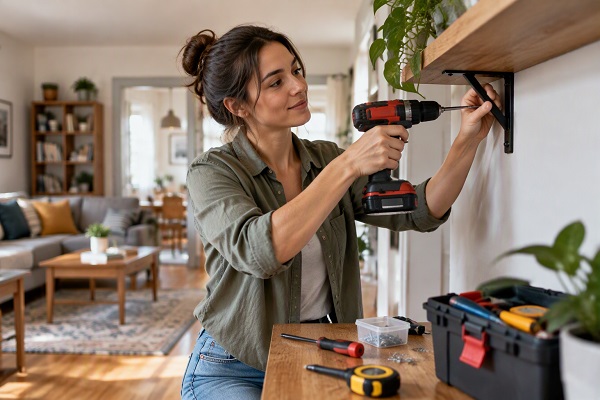
Many people still face bias when pursuing careers that challenge traditional gender roles. Women may be underrepresented in engineering, technology, and construction, while men may encounter stereotypes in nursing, teaching, or caregiving professions.
Unequal Responsibilities at Home
Traditional expectations often place a greater share of household work and caregiving on women, even when both partners work full-time. Encouraging shared responsibilities promotes healthier relationships and a better work-life balance.
Impact on Mental Health
Constant pressure to meet gender-based expectations can affect self-esteem, confidence, and emotional well-being. Men may feel discouraged from expressing emotions, while women may face criticism for being ambitious or assertive.
Educational Choices
Children influenced by stereotypes may avoid subjects or activities they genuinely enjoy. Encouraging students to explore diverse interests helps them discover their talents without unnecessary limitations.
Why Breaking Gender Stereotypes Matters
Removing gender-based expectations creates opportunities for everyone to thrive based on their abilities rather than outdated assumptions. It promotes fairness, encourages innovation, and strengthens communities.
Benefits include:
Equal opportunities in education and employment.
Greater diversity in leadership and decision-making.
Improved confidence and self-expression.
Healthier family relationships through shared responsibilities.
Better mental health and emotional well-being.
Increased creativity and innovation in workplaces.
A more inclusive society that values individual potential.
How Individuals Can Challenge Gender Stereotypes
Encourage Equal Opportunities
Support equal access to education, sports, leadership positions, and career choices regardless of gender.
Use Inclusive Language
Avoid language that reinforces stereotypes or assumes specific roles based on gender. Respectful and inclusive communication helps create a welcoming environment.
Question Assumptions
Challenge common beliefs by asking whether they are based on facts or simply long-standing traditions.
Share Responsibilities
Household chores, parenting, and financial responsibilities should be shared based on ability and agreement rather than gender expectations.
Support Diverse Career Choices
Celebrate people who choose careers outside traditional gender norms and recognize that talent is not determined by gender.
Be a Positive Role Model
Parents, teachers, employers, and community leaders can inspire future generations by demonstrating equality, respect, and inclusion in everyday life.
The Role of Education
Schools play a vital role in shaping attitudes toward gender equality. By encouraging equal participation in academics, sports, science, arts, and leadership activities, educators help students develop confidence and pursue their interests freely.
Teaching children about respect, diversity, and inclusion from an early age helps reduce prejudice and prepares them for a more equitable future.
The Workplace and Gender Equality
Organizations have an important responsibility to eliminate gender bias and create equal opportunities. Employers can support this goal by:
Providing equal pay for equal work.
Promoting women and underrepresented groups into leadership roles.
Offering flexible work policies that support both men and women.
Addressing discrimination and harassment promptly.
Creating mentorship and professional development programs.
Inclusive workplaces benefit from a wider range of perspectives, stronger collaboration, and improved innovation.
Media's Influence on Gender Stereotypes
Television, films, advertisements, and social media significantly influence public perceptions of gender roles. Positive representation of women and men in diverse occupations, leadership positions, caregiving roles, and sports can help challenge outdated stereotypes.
Content creators and media organizations have the power to promote balanced and realistic portrayals that reflect the diversity of modern society.
Inspiring Change Through Everyday Actions
Breaking gender stereotypes begins with small, consistent actions:
Encourage children to follow their interests.
Celebrate achievements regardless of gender.
Speak up against discrimination and bias.
Support equal opportunities in schools and workplaces.
Respect personal choices and individuality.
Promote empathy, kindness, and mutual respect.
Every positive action contributes to a culture where people are valued for their character, skills, and potential rather than gender-based expectations.
The Future of Gender Equality
As awareness continues to grow, more organizations, governments, schools, and communities are working toward gender equality. Increased representation of women in leadership, greater acceptance of diverse career paths, and stronger legal protections against discrimination are helping create a fairer society.
However, lasting change requires continued commitment from individuals, families, businesses, and institutions. By challenging stereotypes and promoting inclusion, everyone can contribute to a future where opportunities are based on talent, passion, and determination.
Conclusion
Breaking gender stereotypes is not about changing who people are it is about removing unnecessary barriers that prevent individuals from reaching their full potential. A society that values equality, respect, and diversity allows everyone to contribute their unique strengths and talents.
When we challenge outdated beliefs, support equal opportunities, and celebrate individuality, we create a world where future generations can grow without limitations imposed by stereotypes. Together, we can build a more inclusive, compassionate, and empowered society for all.





.jpg)