How Women Can Create a Packing Checklist for Short Trips
How Women Can Create a Packing Checklist for Short Trips
Packing for a short trip may seem simple, but it is easy to forget everyday essentials when preparing in a hurry. From clothing and toiletries to travel documents and phone chargers, a little planning can make the process more organised. A practical packing checklist helps women prepare for different activities, avoid carrying unnecessary items and enjoy their trips with greater peace of mind.
Start With the Trip Details
Before packing, consider the destination, duration, weather and planned activities. A one-night city break may require different items from a two-day outdoor trip or a weekend visit to family.
Check the expected weather and think about the places you plan to visit. This makes it easier to select suitable clothing, footwear and accessories instead of packing items that may never be used.
Keep the checklist simple and adjust it for each trip rather than starting from scratch every time.
Choose Clothes That Work Together
Clothing usually takes up a large part of a travel bag, so choosing versatile pieces can save space. For a short trip, select outfits that can be combined in different ways. Neutral-coloured trousers, comfortable tops and a lightweight layer can create several useful combinations.
Pack enough everyday clothing for the duration of the trip, along with suitable sleepwear and undergarments. Consider carrying an extra top or another small clothing item for unexpected changes in plans.
If the trip includes walking or sightseeing, prioritise comfortable footwear. For special occasions, choose one appropriate outfit instead of packing several alternatives that may not be necessary.
Organise Toiletries and Personal Care Items
Create a separate checklist for toiletries so that small essentials do not get forgotten. Depending on individual needs, this may include a toothbrush, toothpaste, face wash, moisturiser, sunscreen, shampoo and deodorant.
Travel-sized containers can help reduce bulk, while a waterproof pouch can keep toiletries separate from clothes and electronic devices. Make sure liquid containers are properly closed to prevent leaks during travel.
Personal care requirements vary, so include any items you regularly use rather than packing products simply because they appear on a generic checklist.
Keep Important Documents Together
Travel documents and essential personal items should be easy to access. Depending on the journey, keep your identification, tickets, booking confirmations, payment cards and some emergency contact information organised in a dedicated pouch.
For digital tickets and reservations, check that the relevant details are accessible on your phone. Keeping necessary documents together reduces the chances of searching through the entire bag at the station, airport or hotel.
For international journeys, review the specific document and entry requirements well before departure.
Remember Chargers and Everyday Gadgets
Electronic accessories are easy to overlook because they are often used until the last moment before leaving home. Add your phone charger, charging cable, power bank and earphones to a separate checklist.
Before travelling, charge your devices and check that your power bank has enough battery for the journey. If you are carrying a laptop, tablet or camera, include their necessary chargers and accessories as well.
A small cable organiser can help prevent wires from becoming tangled inside the bag.
Prepare a Small Health and Emergency Kit
A compact personal essentials pouch can be useful during short trips. It may include basic first-aid supplies, tissues, hand sanitiser, bandages and any personal medication you normally need.
Keep medication in its original packaging when practical, and follow the relevant instructions for storage and use. For specific travel needs, check whether additional supplies are necessary.
A small umbrella, reusable water bottle and a few tissues can also be helpful depending on the weather and the nature of the journey.
Make the Checklist Easy to Reuse
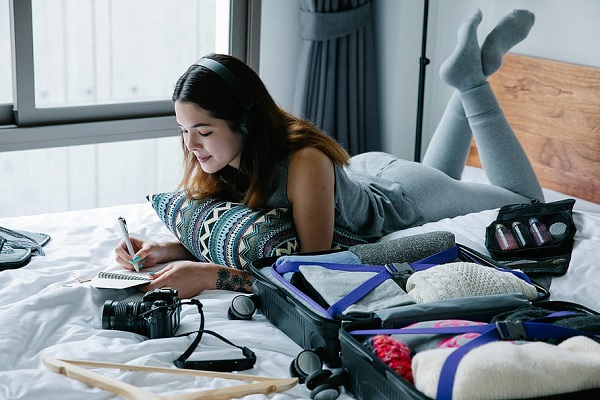
A reusable packing checklist saves time because many items remain the same across different trips. Divide it into simple sections such as clothing, toiletries, documents, electronics and personal essentials.
You can maintain the list in a notebook, on your phone or in a digital notes app. Tick off items while packing rather than relying on memory alone.
It is also helpful to separate items into two groups: essentials that must be packed and optional items that depend on the destination. This reduces unnecessary packing without increasing the risk of forgetting important belongings.
Do a Final Check Before Leaving
Once the bag is packed, review the checklist one last time. Confirm that you have your identification, travel bookings, money, phone and essential medication. Check that chargers and other frequently used items are packed after their final use.
Avoid filling every available space in the bag. Leaving a little room can make packing easier when returning home, especially if you bring back gifts or other purchases.
A quick final check of the room, charging points and bathroom can also help ensure that nothing important has been left behind.
Conclusion
A well-planned packing checklist can make short trips more organised and less stressful. By choosing versatile clothing, keeping documents together, preparing a small personal essentials kit and checking electronic accessories, women can pack more efficiently without carrying an unnecessarily heavy bag.
The best checklist is one that suits the individual traveller, destination and duration of the trip. Once created, it can be reused and adjusted for future journeys, making every departure easier to prepare for.