How Women Can Make Better Use of Their Personal Time
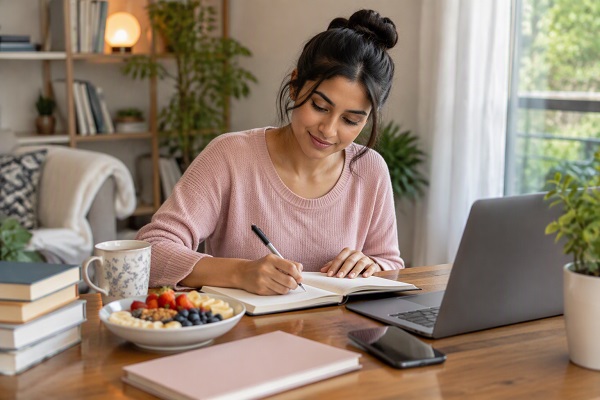
Personal time can easily disappear between work, household responsibilities, family commitments and everyday errands. For many women, the challenge is not simply finding more hours in the day but making better use of the limited personal time that is already available.
The first step is to recognise that personal time does not always need to be productive. Resting, listening to music, taking a quiet walk or simply sitting without a task can be valuable. Constantly turning every free moment into another responsibility can make a busy routine even more exhausting.
One useful approach is to identify what actually feels refreshing. Different people recharge in different ways. Someone may enjoy reading, while another person may prefer exercise, cooking, meeting friends or spending time alone. Choosing activities that genuinely provide satisfaction makes personal time more meaningful.
Small pockets of time can also be useful. Personal time does not necessarily require several uninterrupted hours. Twenty or thirty minutes spent on something enjoyable can still create a useful break from routine. Waiting for a completely free afternoon may mean that personal time keeps getting postponed.
Planning can make a difference as well. Important personal activities can be placed on the calendar just like work meetings or household commitments. Treating this time as something worth protecting makes it less likely to disappear when the day becomes busy.
It can also help to separate personal time from passive scrolling. Checking social media may fill a few minutes, but it does not always provide the kind of break the mind actually needs. Choosing an activity intentionally can make a short break feel more satisfying.
Learning can be another use of personal time. Reading, taking a short online course, practising a skill or exploring a new subject can gradually build confidence and create opportunities. However, learning should remain an option rather than another source of pressure.
Personal time can also be used to maintain relationships outside daily responsibilities. Calling a friend, meeting someone for coffee or having an uninterrupted conversation can help preserve social connections that might otherwise get neglected.
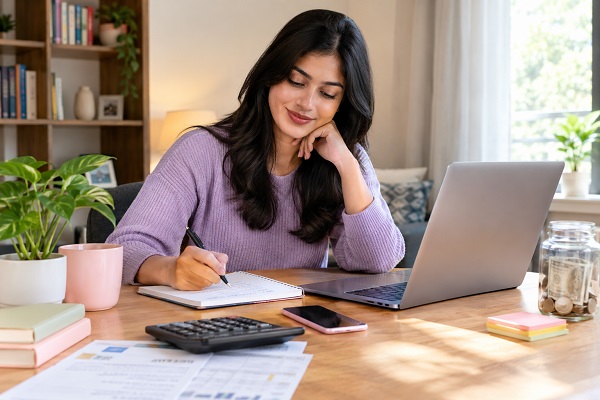
Another important area is personal organisation. Some women may find it useful to spend a small amount of quiet time reviewing finances, planning the week or organising important tasks. This can reduce mental clutter, provided the activity does not turn every break into more work.
Boundaries are equally important. Personal time becomes difficult to protect when every available minute is automatically given to someone else. Communicating clearly about when uninterrupted time is needed can help create healthier routines.
It is also worth avoiding the idea that personal time must be earned. Rest and personal interests are legitimate parts of everyday life, not rewards that should only appear after every other responsibility has been completed.
The most effective routine is usually one that feels realistic. Trying to reserve hours every day may not be practical, but protecting a few regular periods during the week can be much easier to maintain.
Ultimately, making better use of personal time is less about filling every spare minute and more about choosing what deserves that time. A good balance can include rest, hobbies, relationships, learning and simple moments of doing nothing.
When women are able to protect even small amounts of time for themselves, they create space not only for relaxation but also for their interests, identity and long-term well-being.








.jpg)