Beyond Borders: Why the World is Traveling for Health and Healing

The traditional idea of a vacation usually involves sun, sand, and perhaps a little overindulgence. But in 2024, a new type of traveler is packing their bags with a different itinerary in mind. Instead of seeking just relaxation, they are seeking transformation.
Welcome to the booming world of Health Tourism—a multi-billion dollar industry where passports are stamped not just for sightseeing, but for surgeries, dental work, holistic healing, and wellness retreats.
From hair transplants in Istanbul to cardiac surgery in Bangalore and yoga retreats in Bali, the lines between healthcare and hospitality are blurring. But what is driving this global shift, and is it safe?
The Two Faces of Health Tourism
To understand the industry, we must divide it into two distinct categories:
1. Medical Tourism (Curative)
This involves traveling for specific medical treatments. The primary drivers here are cost and accessibility.
The Cost Factor: A heart bypass that costs $120,000 in the US might cost $7,000 in India. Dental implants that cost $4,000 in the UK might cost $800 in Turkey.
The Wait Time Factor: In countries with public healthcare systems (like Canada or the UK), the wait time for non-emergency surgeries (like hip replacements) can be months or years. Going abroad allows patients to skip the queue.
2. Wellness Tourism (Preventative)
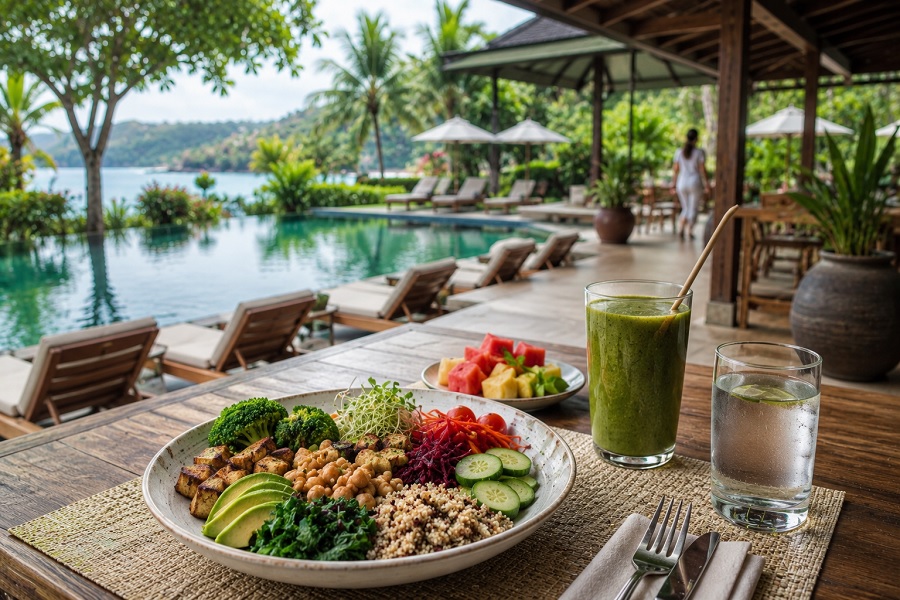
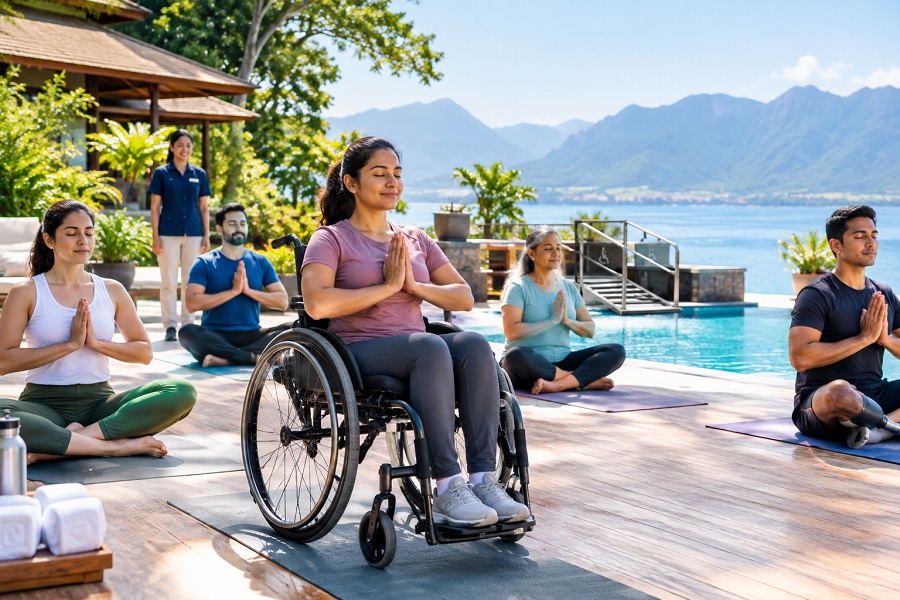
This is about maintaining health and preventing disease. It attracts people looking to de-stress, detox, or spiritually reset.
Examples: Ayurvedic retreats in Kerala, silent meditation camps in Thailand, or luxury thermal spas in Switzerland.
The Hotspots: Where is Everyone Going?
Different countries have carved out niches based on their medical expertise and technology.
Turkey (The Aesthetic Capital): Turkey has become the global hub for hair transplants and dental veneers. Istanbul’s clinics offer luxury packages that include the procedure, 5-star hotel stays, and airport transfers.
India (Complex Medicine & Ayurveda): India offers a unique dual-market. It is a world leader in high-end cardiac and orthopedic surgeries at a fraction of Western costs, while the south (Kerala) is famous for traditional Ayurvedic healing.
South Korea (Cosmetic & Dermatology): Known for the "glass skin" trend, Seoul attracts millions for plastic surgery and advanced skincare treatments.
Thailand (The All-Rounder): Thailand successfully blends high-quality hospitals (for gender reassignment and cosmetic surgery) with a massive luxury wellness infrastructure (massage, detox, and weight loss).
Mexico (Dentistry): For North Americans, border towns in Mexico are the go-to destination for affordable dental care.
The Risks: It’s Not All smooth Sailing
While the savings are attractive, health tourism comes with significant risks that travelers often overlook.
1. The "Fly-Back" Danger
Flying shortly after surgery increases the risk of Deep Vein Thrombosis (DVT) and blood clots. Many patients underestimate the physical toll of traveling while recovering.
2. Lack of Legal Recourse
If a surgery goes wrong in your home country, you have legal pathways for malpractice. If a surgery goes wrong abroad, navigating a foreign legal system can be impossible.
3. The "Ghost Doctor" Phenomenon
In some unregulated cosmetic clinics, the famous surgeon you booked might do the consultation, but an assistant or technician might perform the actual surgery while you are under anesthesia.
4. Antibiotic Resistance
"Superbugs" vary by region. Travelers might pick up drug-resistant infections in foreign hospitals that doctors back home struggle to treat.
How to Be a Smart Health Tourist
If you are considering crossing borders for care, due diligence is non-negotiable.
Check Accreditation: Look for hospitals accredited by the JCI (Joint Commission International). This is the gold standard for global healthcare safety.
Telemedicine First: extensive video consultations with the actual surgeon should happen before you book a flight.
Budget for Recovery: Don't plan to fly home the day after a procedure. Budget for a hotel stay of at least a week or two post-op to ensure there are no immediate complications.
Travel Insurance: Standard travel insurance does not cover medical complications arising from elective surgery abroad. You need specialized medical tourism insurance.
The Future of Travel
Health tourism is no longer just for the wealthy or the desperate. As global healthcare standards rise and travel becomes cheaper, the world is becoming a global hospital. Whether you are fixing a smile in Budapest or healing your soul in Bhutan, the future of travel is looking incredibly healthy.