Dental Tourism: Benefits and Considerations
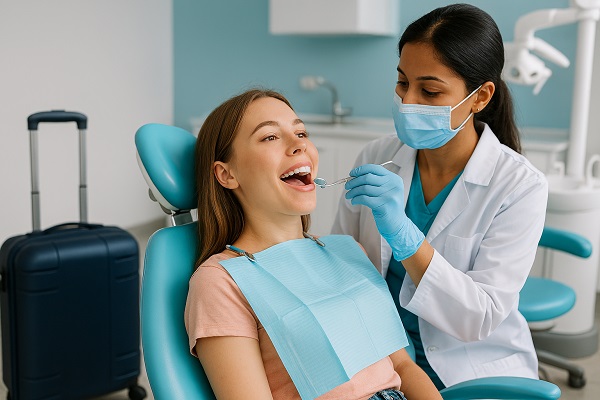
Dental tourism has become one of the fastest growing segments of health travel. Many people are choosing to travel abroad for procedures such as implants, crowns, veneers, and full smile makeovers. The main reason is simple: high quality treatment at a significantly lower cost. But while the savings can be attractive, there are important factors to consider before booking a flight.
Why Dental Tourism Is Growing
In countries like the United States, the UK, Canada, and Australia, dental care can be expensive, especially for complex procedures that are not fully covered by insurance. As a result, patients are looking to destinations such as India, Thailand, Turkey, Hungary, and Mexico, where treatment costs can be 40 to 70 percent lower.
Many international clinics now cater specifically to foreign patients. They offer modern facilities, English speaking staff, digital diagnostics, and treatment packages that may include airport transfers and accommodation assistance. For patients facing long waiting lists at home, traveling abroad can also mean faster access to care.
Key Benefits of Dental Tourism
1. Cost Savings
The biggest advantage is affordability. Procedures like dental implants, root canals, and cosmetic dentistry are often much cheaper overseas, even after factoring in travel expenses.
2. Access to Advanced Treatments
Top clinics in popular destinations invest in modern equipment and internationally trained dentists. Some specialists have global certifications and experience treating international patients.
3. Shorter Waiting Times
In countries with overloaded public healthcare systems, dental appointments can take months to schedule. Dental tourism offers quicker treatment planning and execution.
4. Opportunity to Travel
Many patients combine treatment with a vacation. Recovering in a pleasant location can make the experience feel less clinical and more manageable.
Important Considerations Before You Go
While dental tourism offers clear advantages, it is not without risks. Careful planning is essential.
1. Research the Clinic Thoroughly
Check the clinic’s credentials, dentist qualifications, patient reviews, and accreditation status. Look for internationally recognized certifications where possible.
2. Understand the Full Cost
Ask for a detailed treatment plan and written quotation. Clarify what is included and whether follow up visits are required.
3. Consider Aftercare and Follow Up
Dental procedures sometimes need adjustments or additional visits. If complications arise after returning home, local dentists may be reluctant to handle work done abroad, or additional costs may apply.
4. Travel and Recovery Time
Flying immediately after certain procedures may not be advisable. Plan enough recovery time before returning home.
5. Insurance and Legal Protection
Medical travel insurance that covers complications is important. Also, understand the legal options available in the destination country in case of malpractice.
Is Dental Tourism Right for You?
Dental tourism can be a practical solution for patients seeking affordable and timely treatment. However, it should not be a rushed decision based solely on price. Quality, safety, communication, and long term care matter just as much as savings.
With proper research and realistic expectations, dental tourism can offer both a healthier smile and a more manageable financial experience. The key is balancing opportunity with caution.