Automotive Industry in Focus: EV Growth, Price Hikes, and New Launches Shape 2026
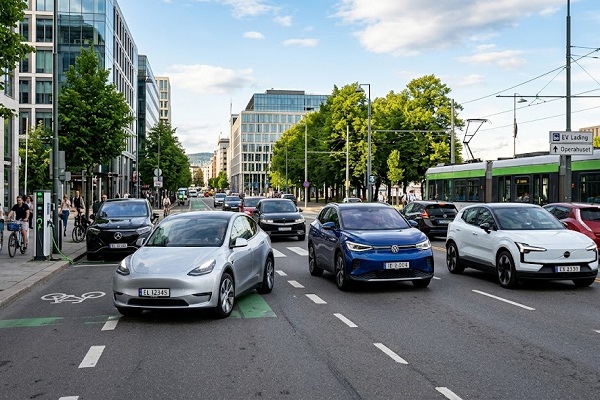
The automotive industry continues to evolve at a rapid pace as manufacturers navigate rising costs, electrification, and changing consumer expectations. From new electric vehicle launches to strategic partnerships and pricing adjustments, 2026 is proving to be a transformative year for both carmakers and consumers.
One of the biggest developments this month comes from Tata Motors, which has announced a price increase of up to 1.5% across its passenger vehicle portfolio, including both conventional and electric vehicles, effective July 1, 2026. The company cited rising input costs, inflationary pressures, and increased operational expenses as key reasons for the adjustment. The move reflects a broader trend across the industry, with several automakers revising prices to offset higher production costs.
Despite these challenges, manufacturers remain committed to expanding their product portfolios. Tata Motors is also preparing to launch the highly anticipated Tata Sierra EV later this month. The electric SUV is expected to compete in the rapidly growing midsize EV segment and further strengthen the company's position in India's electric vehicle market. The launch underscores the increasing focus on electrification as automakers seek to meet consumer demand for sustainable mobility solutions.
The electric vehicle revolution is no longer limited to passenger cars. Motorcycle manufacturers are also embracing innovation. Honda recently expanded its premium motorcycle lineup with the introduction of several new models and advanced technologies aimed at enhancing rider experience and performance. These launches highlight the growing competition in the premium two-wheeler segment as manufacturers target enthusiasts seeking a blend of technology, comfort, and performance.
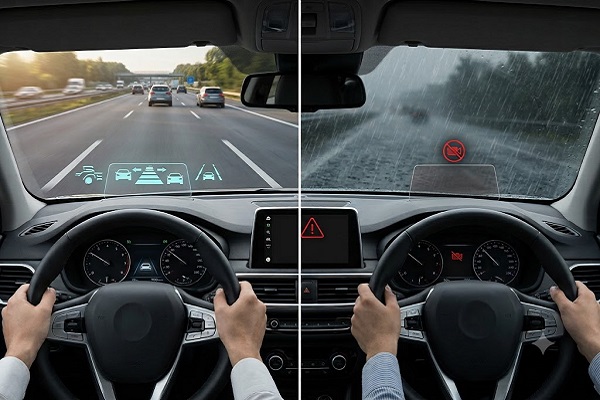
Globally, the automotive industry is witnessing a significant shift toward software-defined vehicles. Modern cars are increasingly being equipped with advanced connectivity features, over-the-air updates, autonomous driving capabilities, and subscription-based digital services. Industry experts believe that future revenue growth for automakers will come not only from vehicle sales but also from software, data services, and connected ecosystems. This transformation is changing how manufacturers design, market, and monetize their products.
Another notable trend is the growing influence of Chinese automotive technology on global markets. Chinese manufacturers have become major players in the EV ecosystem, supplying platforms, batteries, and software solutions to automakers worldwide. Reports indicate that Tata Motors plans to utilize technology from Chery Automobile for its premium Avinya electric vehicle program, demonstrating how global collaboration is becoming increasingly important in the race to develop competitive EVs.
Meanwhile, international markets continue to experience intense competition. China's domestic vehicle market has faced slowing demand, prompting manufacturers to expand aggressively into export markets. This strategy is reshaping the global automotive landscape, increasing competition and driving innovation across regions. Established automakers are responding by accelerating investments in electric vehicles, battery technology, and digital transformation.
Looking ahead, industry analysts expect the next phase of growth to be driven by electrification, artificial intelligence, connected mobility, and sustainable manufacturing practices. Consumers can anticipate a wider range of electric vehicles, smarter transportation solutions, and enhanced ownership experiences powered by technology.
While economic pressures and supply chain challenges remain, the automotive industry's commitment to innovation continues to create exciting opportunities. As manufacturers adapt to changing market dynamics, 2026 is shaping up to be a pivotal year that will influence the future direction of mobility for years to come.