Defensive Driving Tips: Stay Safe and Confident on Every Journey
Driving is more than simply operating a vehicle it's about making responsible decisions that protect you, your passengers, and everyone else on the road. Defensive driving is a proactive approach that helps drivers anticipate potential hazards, avoid accidents, and respond calmly to unexpected situations.
Whether you're a new driver or have years of experience behind the wheel, practicing defensive driving can significantly reduce the risk of collisions and make every trip safer.
What Is Defensive Driving?
Defensive driving is a set of safe driving techniques that help motorists identify potential dangers before they become serious problems. Instead of reacting at the last second, defensive drivers stay alert, maintain awareness of their surroundings, and make decisions that reduce risk.
Benefits of Defensive Driving
Adopting defensive driving habits offers several advantages:
Reduces the risk of road accidents.
Protects passengers and pedestrians.
Improves confidence behind the wheel.
Helps save money by avoiding costly repairs.
Reduces stress during daily commutes.
Encourages smoother and more fuel-efficient driving.
Essential Defensive Driving Tips
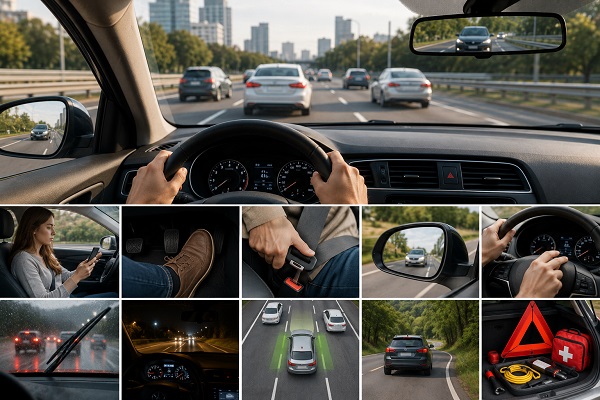
1. Stay Focused
Avoid distractions such as texting, using your phone, eating, or adjusting navigation while driving. Keep your eyes on the road and your hands on the steering wheel.
2. Maintain a Safe Following Distance
Follow the three-second rule in normal driving conditions and increase the gap during rain, fog, or heavy traffic.
3. Obey Speed Limits
Driving within the speed limit gives you more time to react to sudden obstacles and reduces the severity of accidents.
4. Always Wear Your Seat Belt
Seat belts are one of the most effective safety features in any vehicle. Ensure that every passenger is buckled up before starting your journey.
5. Scan the Road Ahead
Look well beyond the vehicle directly in front of you. This helps you anticipate braking vehicles, pedestrians, cyclists, or road hazards.
6. Check Mirrors Frequently
Regularly monitor your rearview and side mirrors to stay aware of surrounding traffic and avoid dangerous blind spots.
7. Use Turn Signals Early
Signal every lane change and turn well in advance to clearly communicate your intentions to other road users.
8. Avoid Aggressive Driving
Remain calm even when other drivers make mistakes. Avoid tailgating, unnecessary honking, road rage, or sudden lane changes.
9. Be Extra Careful in Bad Weather
Rain, fog, snow, and strong winds reduce visibility and road grip. Slow down, increase following distance, and use headlights when necessary.
10. Expect the Unexpected
Assume that other drivers may make sudden mistakes. Be prepared for abrupt stops, unexpected lane changes, or pedestrians crossing the road.
Night Driving Safety
Driving after dark requires additional caution:
Keep headlights clean and properly aligned.
Reduce speed on poorly lit roads.
Avoid looking directly at oncoming headlights.
Stay alert for pedestrians, cyclists, and animals.
Take regular breaks during long nighttime journeys.
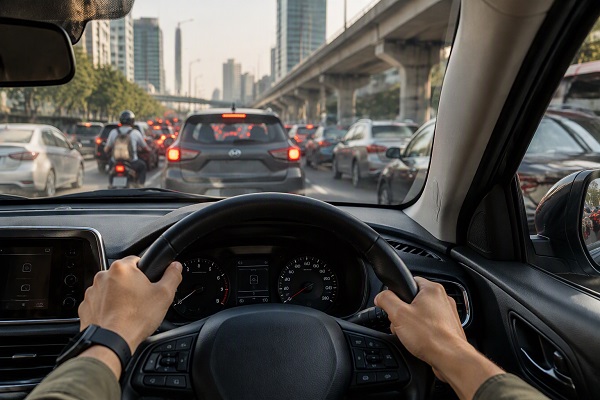
Safe Driving During Heavy Traffic
Traffic congestion can increase stress and accident risk. Stay patient by:
Keeping a safe distance.
Avoiding frequent lane changes.
Watching for motorcycles and cyclists.
Remaining calm during slow-moving traffic.
Vehicle Maintenance Matters
A well-maintained vehicle contributes to safer driving. Regularly inspect:
Tire pressure and tread depth
Brakes
Headlights and brake lights
Windshield wipers
Engine oil and coolant levels
Battery condition
Routine maintenance helps prevent mechanical failures while driving.
Defensive Driving for Long Trips
Before a long journey:
Get adequate sleep.
Plan your route.
Carry water and emergency supplies.
Take breaks every two to three hours.
Avoid driving when tired or drowsy.
Final Thoughts
Defensive driving is about making smart, responsible choices every time you get behind the wheel. Staying alert, following traffic rules, maintaining your vehicle, and respecting other road users can greatly reduce the likelihood of accidents.
Safe driving is not only about reaching your destination—it's about ensuring everyone arrives safely. By practicing defensive driving every day, you contribute to safer roads for yourself, your passengers, and your community.