Essential Car Maintenance Tips Every Owner Should Know
Owning a car is a significant investment, and proper maintenance is the key to protecting it. While modern vehicles are built to last, neglecting routine care can lead to expensive repairs, reduced fuel efficiency, and even safety risks. The good news is that many maintenance tasks are simple and require only a little time and attention.
Whether you drive daily or only on weekends, following a regular maintenance schedule will keep your car running smoothly and help maintain its resale value. Here are the essential car maintenance tips every owner should know.
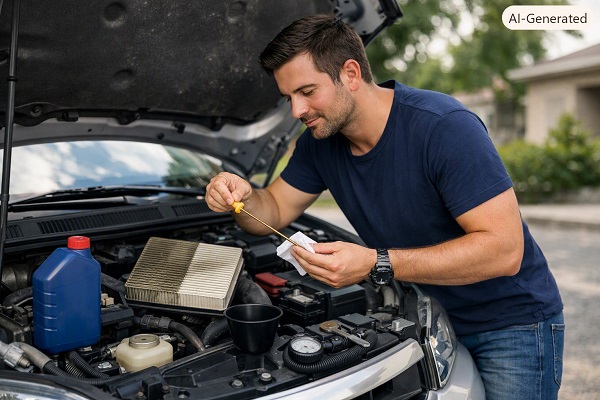
1. Check Engine Oil Regularly
Engine oil lubricates moving parts, reduces friction, and prevents overheating. Low or dirty oil can cause serious engine damage.
Tips:
* Check the oil level at least once a month.
* Use the oil grade recommended by your vehicle manufacturer.
* Replace engine oil and the oil filter according to the service schedule.
Fresh engine oil helps improve engine performance and extends engine life.
2. Maintain Proper Tire Pressure
Tires affect handling, braking, comfort, and fuel economy.
Driving with underinflated or overinflated tires can:
* Reduce fuel efficiency
* Increase tire wear
* Affect steering control
* Increase the risk of tire failure
Check tire pressure every two to four weeks and before long trips. Use the pressure recommended on the driver's door sticker or owner's manual.
3. Inspect Tire Tread and Condition
Worn tires reduce grip, especially on wet roads.
Regularly inspect for:
* Uneven wear
* Cuts or cracks
* Bulges
* Embedded nails or sharp objects
Rotate tires every 8,000–10,000 km to ensure even wear and longer life.
4. Replace Air Filters
Your car has engine and cabin air filters.
Engine Air Filter
Keeps dust and dirt from entering the engine, improving performance and fuel efficiency.
Cabin Air Filter
Ensures clean air inside the vehicle by filtering dust, pollen, and pollutants.
Replace filters as recommended in the owner's manual or sooner if you frequently drive in dusty conditions.
5. Monitor Coolant Levels
Coolant prevents the engine from overheating and protects it from corrosion.
Never open the radiator cap when the engine is hot.
Check the coolant reservoir periodically and top it up with the correct coolant mixture if needed.
6. Keep the Battery Healthy
A weak battery can leave you stranded without warning.
Inspect for:
* Corrosion on battery terminals
* Loose connections
* Low battery voltage
* Swollen battery casing
Most car batteries last between 3 and 5 years, depending on climate and usage.
7. Inspect Brake Components
Brakes are one of the most critical safety systems.
Watch for:
* Squealing or grinding noises
* Vibrations while braking
* Increased stopping distance
* Brake warning light
If you notice any of these signs, have your brake pads and discs inspected immediately.
8. Replace Windshield Wipers
Poor visibility can be dangerous during rain.
Replace wiper blades every 6–12 months or whenever they:
* Leave streaks
* Skip across the windshield
* Make noise
* Fail to clear water properly
Always keep windshield washer fluid topped up.
9. Check All Vehicle Lights
Inspect your:
* Headlights
* Brake lights
* Tail lights
* Turn indicators
* Reverse lights
* Fog lamps
Faulty lights reduce visibility and may result in traffic fines.
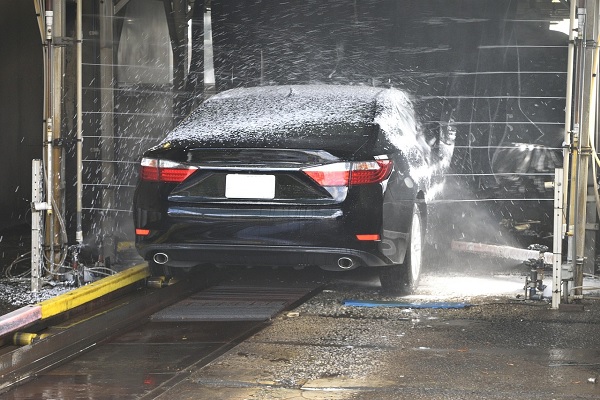
10. Keep the Car Clean
Regular washing removes dirt, mud, bird droppings, and road salt that can damage paint.
For better protection:
Wash the exterior every two to three weeks.
Clean the interior regularly.
Vacuum carpets and seats.
Apply wax or paint protection every few months.
A clean vehicle not only looks better but also retains its value longer.
11. Listen for Unusual Sounds
Cars often provide early warning signs before major problems occur.
Pay attention to:
* Knocking noises
* Grinding sounds
* Suspension rattles
* Engine vibrations
* Whining from belts
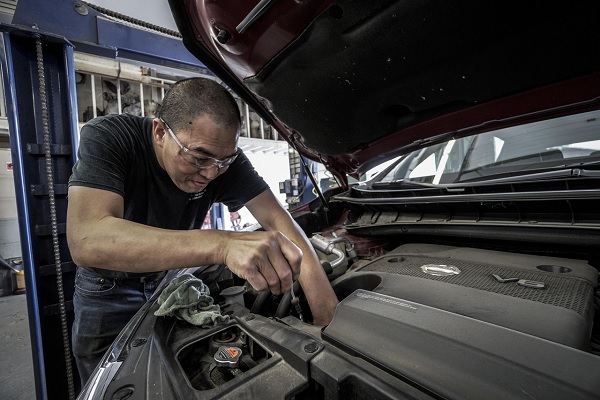
Ignoring unusual noises can turn a minor repair into an expensive one.
12. Follow the Service Schedule
Routine servicing is the best way to prevent unexpected breakdowns.
During scheduled service, technicians typically inspect:
* Engine oil
* Air filters
* Brakes
* Suspension
* Fluids
* Battery
* Belts
* Hoses
* Tires
Following the manufacturer's maintenance schedule helps maintain reliability and warranty coverage.
13. Avoid Aggressive Driving
Driving habits directly affect vehicle longevity.
Avoid:
* Hard acceleration
* Sudden braking
* Overspeeding
* Carrying unnecessary weight
* Driving through deep water
Smooth driving reduces wear on the engine, transmission, brakes, and tires while improving fuel economy.
14. Check Fluid Levels
Apart from engine oil, monitor other essential fluids:
* Brake fluid
* Coolant
* Power steering fluid (if applicable)
* Transmission fluid (where serviceable)
* Windshield washer fluid
Maintaining proper fluid levels ensures reliable performance and prevents costly repairs.
15. Keep Emergency Supplies in Your Car
A basic emergency kit can be invaluable during unexpected situations.
Include:
* First-aid kit
* Tire inflator or portable air compressor
* Jumper cables
* Flashlight
* Reflective warning triangle
* Gloves
* Basic tool kit
* Phone charger
Being prepared can save time and improve safety during roadside emergencies.
Common Car Maintenance Mistakes to Avoid
Many vehicle owners unknowingly shorten their car's lifespan by making simple mistakes, such as:
* Ignoring dashboard warning lights
* Skipping scheduled services
* Delaying oil changes
* Driving with low tire pressure
* Using incorrect engine oil
* Neglecting brake inspections
* Waiting too long to replace worn tires
Avoiding these habits can significantly reduce repair costs over the life of your vehicle.
Final Thoughts
Regular maintenance is the foundation of safe, reliable, and cost-effective car ownership. Spending a few minutes each month checking your vehicle's essential components can prevent unexpected breakdowns, improve fuel efficiency, and extend the life of your car.
By following these essential maintenance tips and staying consistent with routine servicing, you'll enjoy a smoother driving experience, lower repair bills, and greater peace of mind every time you get behind the wheel.