How to Store Your Bike Long-Term: A Complete Guide
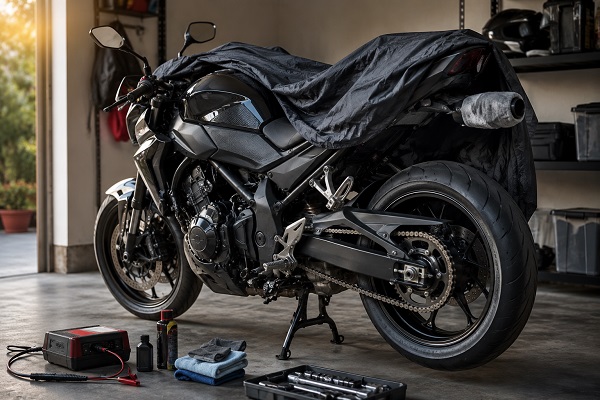
Whether you're traveling for an extended period, taking a seasonal break from riding, or simply storing a motorcycle that won't be used for several months, proper storage is essential. Leaving a bike unused without preparation can lead to battery failure, fuel system issues, rust, flat-spotted tires, and expensive repairs. With a few simple steps, you can keep your motorcycle in excellent condition and ensure it's ready to ride when you return.
Why Proper Bike Storage Matters
Motorcycles are designed to be ridden regularly. When left unused for long periods, fuel can deteriorate, batteries can discharge, tires can lose pressure, and moisture can cause corrosion. Proper storage helps protect your investment and reduces maintenance costs in the future.
1. Thoroughly Clean the Motorcycle
Before storing your bike, wash it completely to remove dirt, dust, mud, insects, and road grime.
Pay special attention to:
* Wheels and rims
* Chain and sprockets
* Engine surfaces
* Undercarriage
* Exhaust system
After washing, dry the motorcycle thoroughly to prevent moisture-related corrosion.
2. Change the Engine Oil
Used engine oil contains contaminants that can damage internal engine components during long-term storage.
Changing the oil before storage:
* Removes harmful contaminants
* Protects engine parts
* Helps prevent corrosion
If your bike is due for an oil change soon, it's best to do it before storing.
3. Fill the Fuel Tank
A partially filled fuel tank can allow moisture to build up inside, leading to rust and fuel contamination.
For long-term storage:
* Fill the tank completely
* Add a fuel stabilizer if available
* Run the engine for a few minutes so the stabilizer circulates through the fuel system
This helps keep fuel fresh and prevents deposits from forming.
4. Protect the Battery
Motorcycle batteries naturally lose charge over time.
To maintain battery health:
* Disconnect the battery
* Store it in a cool, dry place
* Use a battery maintainer or trickle charger if possible
A well-maintained battery will last longer and perform better when the bike is used again.
5. Lubricate the Chain and Moving Parts
Clean and lubricate:
* Drive chain
* Clutch cable
* Brake lever pivots
* Side stand pivot
* Other exposed moving components
Proper lubrication prevents rust and keeps parts operating smoothly.
6. Take Care of the Tires
Leaving a bike in one position for months can create flat spots on tires.
To avoid this:
* Inflate tires to the recommended pressure
* Use paddock stands if available
* Move the motorcycle slightly every few weeks if possible
Proper tire care helps maintain ride quality and safety.
7. Cover the Exhaust and Air Intake
Small animals, insects, dust, and moisture can enter exposed openings.
Use:
* Exhaust plugs
* Clean cloths
* Plastic covers
Remember to remove them before starting the motorcycle again.
8. Store the Bike in a Dry Location
The ideal storage area should be:
* Cool
* Dry
* Well-ventilated
* Protected from direct sunlight
A garage is usually the best option. Avoid storing the motorcycle outdoors for extended periods whenever possible.
9. Use a Quality Motorcycle Cover
A breathable motorcycle cover protects against:
* Dust
* Moisture
* Sunlight
* Scratches
Avoid completely airtight covers, as they can trap moisture and encourage corrosion.
10. Inspect the Bike Before Riding Again
When you're ready to use the motorcycle again:
Check:
* Tire pressure
* Battery charge
* Engine oil level
* Brake performance
* Fuel condition
* Chain lubrication
* Lights and indicators
Performing a quick inspection ensures a safe return to the road.
Common Mistakes to Avoid
Many riders unknowingly damage their motorcycles during storage by:
* Leaving old fuel in the tank
* Ignoring battery maintenance
* Storing the bike with dirty surfaces
* Keeping tires underinflated
* Leaving the motorcycle uncovered
* Storing it in damp environments
Avoiding these mistakes can save both time and money.
Final Thoughts
Proper long-term motorcycle storage is not complicated, but it requires attention to detail. Cleaning the bike, maintaining the battery, protecting the fuel system, lubricating key components, and choosing the right storage location can significantly extend your motorcycle's lifespan. Taking a few hours to prepare your bike today can prevent costly repairs and ensure a smooth, trouble-free ride when you're ready to hit the road again.