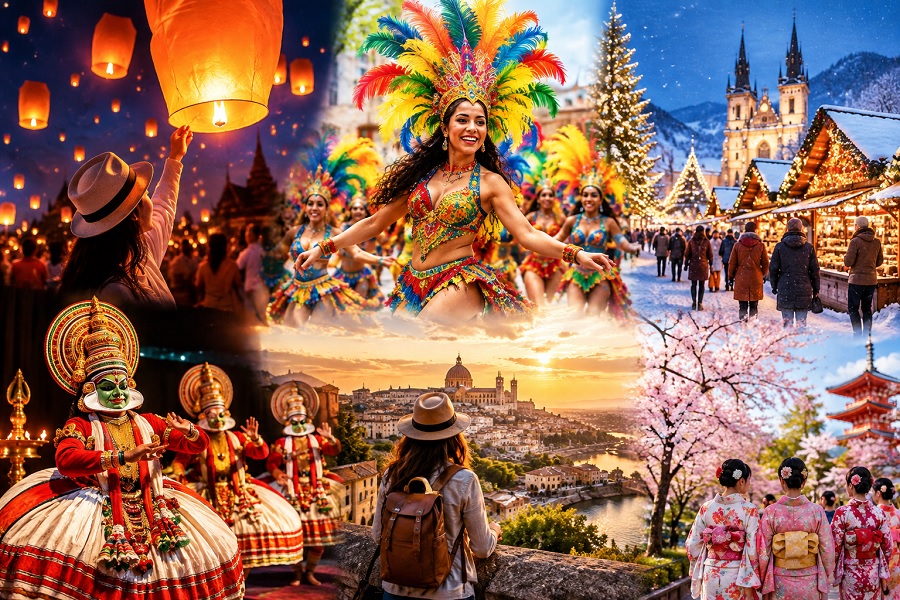
Art Around the World: A Journey Through International Art Festivals
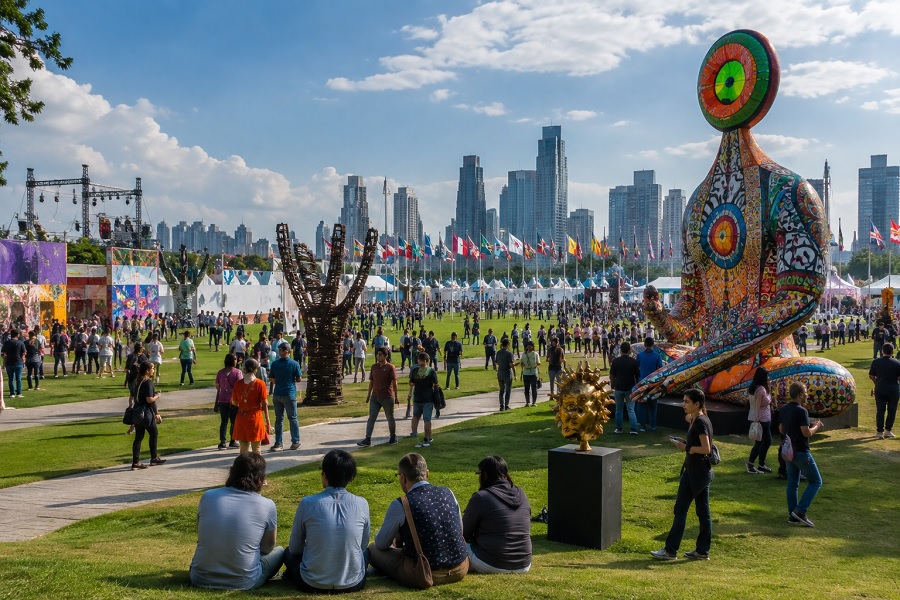
International Art Festival Tourism: Exploring the World Through Art and Culture
International Art Festival Tourism is an increasingly popular form of cultural travel that brings together art, creativity, heritage, and destination exploration. Travelers visit different countries and cities to experience major art festivals featuring painting, sculpture, photography, installations, digital art, street art, performance art, and contemporary creative expressions.
These festivals offer more than exhibitions. They can introduce visitors to local traditions, architecture, cuisine, museums, historic neighborhoods, creative communities, and emerging artists. For many travelers, attending an international art festival becomes an opportunity to understand a destination through its artistic identity.
What Is International Art Festival Tourism?
International Art Festival Tourism refers to traveling to another country or destination specifically to attend an art festival or major art-related event.
Visitors may travel to experience:
Contemporary art exhibitions
Traditional and folk art
Sculpture and installations
Photography exhibitions
Digital and new-media art
Street art
Performance art
Art workshops
Artist talks
Cultural performances
Creative markets
Art fairs and galleries
The combination of art and travel makes these festivals attractive to tourists looking for meaningful and educational experiences.
Why Is International Art Festival Tourism Growing?
Travelers are increasingly interested in experiences rather than simply visiting famous landmarks. Art festivals provide an opportunity to participate in the cultural life of a destination.
Social media has also increased awareness of international art events. Creative installations, public artworks, exhibitions, and festival venues can become major attractions for visitors.
Another important factor is the growth of cultural tourism. Travelers want to understand local history, creativity, traditions, and contemporary lifestyles, and art festivals provide a direct connection to these elements.
Major Types of International Art Festivals
1. Contemporary Art Festivals
These festivals showcase modern artistic ideas through paintings, sculptures, installations, video art, digital creations, and experimental works.
2. Traditional Art Festivals
Traditional festivals highlight local artistic heritage, including handicrafts, textiles, painting techniques, sculpture, folk art, and traditional performances.
3. Photography Festivals
Photography festivals attract professional photographers, students, collectors, and travelers interested in visual storytelling.
4. Street Art Festivals
Street art events transform public spaces with murals, graffiti, sculptures, and large-scale creative installations.
5. Digital Art Festivals
Digital and new-media festivals showcase interactive installations, virtual experiences, projection art, artificial intelligence-based creativity, and multimedia works.
6. Sculpture Festivals
Sculpture events can feature temporary and permanent works displayed in galleries, parks, beaches, historic sites, and public spaces.
Popular Destinations for Art Festival Tourism
Several international destinations are well known for their art scenes and cultural events. Cities across Europe, Asia, North America, Australia, the Middle East, Africa, and Latin America host major art festivals, exhibitions, biennales, fairs, and creative events.
Travelers can combine festival visits with sightseeing in museums, galleries, historic districts, architectural landmarks, cultural centers, and local markets.
International Art Festival Tourism in Europe
Europe has a long artistic heritage and offers numerous opportunities for art-focused travel. Visitors can explore historic museums, contemporary galleries, public art projects, cultural institutions, and international festivals.
Cities such as Paris, London, Venice, Berlin, Madrid, Barcelona, Florence, Amsterdam, and Basel are particularly attractive to art-focused travelers because of their strong connections with both historic and contemporary art.
International Art Festival Tourism in Asia
Asia offers a diverse combination of traditional and contemporary artistic experiences. Countries such as Japan, South Korea, Singapore, China, Thailand, Indonesia, and India have developed vibrant creative tourism scenes.
Travelers can experience traditional painting, calligraphy, textiles, ceramics, sculpture, contemporary installations, digital art, and community-based creative projects.
International Art Festival Tourism in India
India has a rich artistic heritage covering classical painting traditions, sculpture, textiles, handicrafts, tribal art, folk art, photography, contemporary art, and digital creativity.
Indian cities such as Mumbai, Delhi, Bengaluru, Jaipur, Kochi, Kolkata, Hyderabad, and Chennai offer different types of art exhibitions and cultural events.
Art tourism in India can also be combined with visits to historic monuments, museums, craft villages, heritage markets, galleries, and cultural institutions.
Benefits of International Art Festival Tourism
International art festivals can generate significant benefits for destinations and local communities.
Economic Benefits
Visitors spend money on:
Hotels and resorts
Restaurants and cafés
Local transportation
Museums and galleries
Shopping
Handicrafts
Cultural attractions
Festival tickets and activities
This spending can support local businesses and create employment opportunities.
Cultural Benefits
Art festivals provide opportunities to preserve, promote, and share cultural traditions. Local artists can introduce their work to international audiences while visitors gain a deeper understanding of the destination.
Educational Benefits
Art festivals can be valuable educational experiences for students, researchers, photographers, designers, art enthusiasts, and families.
Workshops, lectures, demonstrations, and artist interactions can provide insights into artistic techniques and cultural history.
Art Festivals and Local Communities
Successful art festivals often involve local artists, businesses, cultural organizations, schools, and community groups.
Local participation can make the festival more authentic while ensuring that tourism benefits reach the wider community.
Community involvement may include public murals, traditional craft demonstrations, local food stalls, cultural performances, workshops, and neighborhood art tours.
Sustainable Art Festival Tourism
Sustainability is becoming increasingly important for international cultural events. Organizers can reduce environmental impacts through responsible waste management, reusable materials, energy-efficient lighting, digital ticketing, and public transportation.
Festivals can also promote sustainable tourism by supporting local artists and suppliers instead of relying exclusively on imported materials and services.
How Travelers Can Plan an Art Festival Trip
Travelers should research the festival dates, official ticket information, exhibition schedule, location, and accommodation options before traveling.
It is also useful to create an itinerary that includes museums, galleries, historic landmarks, local markets, restaurants, and cultural attractions.
Visitors should respect photography rules, artist rights, exhibition guidelines, and local cultural customs.
Future of International Art Festival Tourism
The future of international art festival tourism is likely to become increasingly interactive and technology-driven. Digital installations, augmented reality, virtual exhibitions, immersive environments, and interactive public art are changing the way visitors experience creativity.
At the same time, traditional art and cultural heritage will remain important attractions. The combination of traditional craftsmanship with contemporary creative technology can create distinctive experiences for international visitors.
Art festivals may also become increasingly connected with food, fashion, music, architecture, design, wellness, and local heritage, creating broader cultural tourism experiences.
Conclusion
International Art Festival Tourism provides travelers with an opportunity to explore destinations through creativity, culture, history, and contemporary expression. Visitors can enjoy exhibitions and performances while discovering local architecture, cuisine, traditions, museums, galleries, and communities.
For destinations, art festivals can strengthen cultural tourism, support creative industries, generate economic activity, and increase international visibility. With responsible planning and strong local participation, International Art Festival Tourism can become a valuable and sustainable part of the global tourism industry.