Africa Safari Tourism Growth
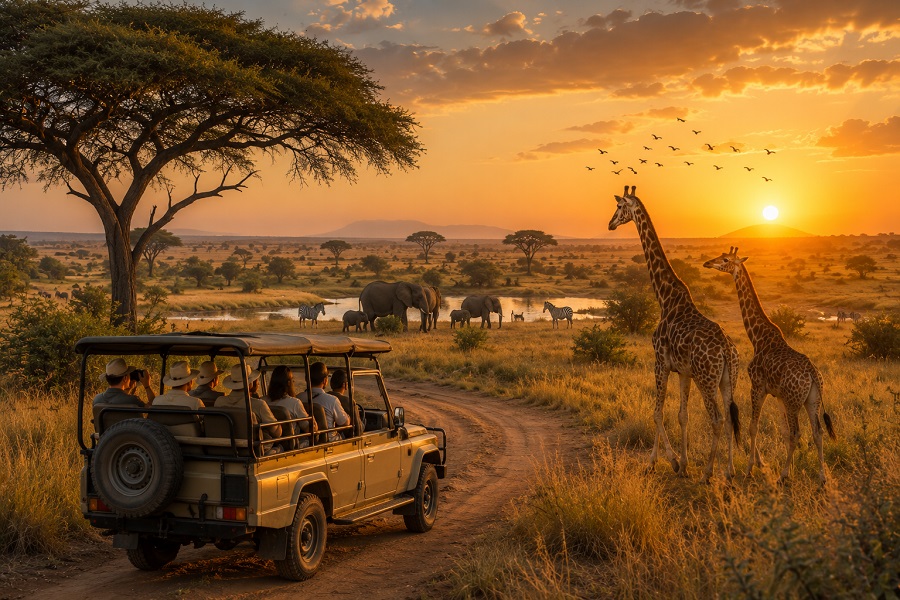
Africa Safari Tourism Growth: Exploring the Rise of Wildlife Adventure Travel
Introduction
Africa Safari Tourism is experiencing strong global growth as travelers increasingly seek wildlife experiences, nature-based adventures, and authentic eco-tourism. From the vast savannas of Kenya to the national parks of South Africa and Tanzania, safari tourism has become one of the most powerful segments of international travel.
In 2026, Africa safari tourism is not just about wildlife viewing—it is about sustainable travel, luxury wilderness experiences, and conservation-focused tourism.
1. What is Africa Safari Tourism?
Africa Safari Tourism refers to travel experiences that involve:
Wildlife safaris in national parks and reserves
Guided jungle and savanna expeditions
Eco-lodges and wilderness stays
Cultural interactions with local communities
Conservation-based tourism activities
It focuses on experiencing animals in their natural habitat while supporting environmental protection.
2. Why Africa Safari Tourism is Growing Rapidly
Rising Demand for Nature-Based Travel
Modern travelers are moving away from crowded cities toward open natural spaces and wildlife experiences.
Social Media Influence
Platforms like Instagram and YouTube have made safari experiences highly desirable through:
Wildlife photography
Drone safari visuals
Travel vlogs
Eco-Tourism Awareness
Tourists prefer destinations that promote:
Wildlife conservation
Sustainable tourism
Community-based tourism
Luxury Safari Expansion
High-end safari lodges now offer:
Private game drives
Luxury tented camps
Fine dining in the wilderness
3. Top Safari Destinations in Africa
Kenya
Maasai Mara National Reserve
Great Migration experiences
Hot air balloon safaris
Tanzania
Serengeti National Park
Ngorongoro Crater
Mount Kilimanjaro wildlife zones
South Africa
Kruger National Park
Private game reserves
Luxury safari lodges
Botswana
Okavango Delta safaris
Chobe National Park elephant herds
Namibia
Desert-adapted wildlife safaris
Etosha National Park
4. Types of Safari Experiences
Game Drive Safaris
4x4 guided wildlife tours
Best for lion, elephant, leopard sightings
Walking Safaris
Close nature exploration with expert guides
Focus on smaller wildlife and ecosystem learning
Hot Air Balloon Safaris
Aerial views of savannas and migrations
Popular in Kenya and Tanzania
Water Safaris
River and delta exploration
Hippos, crocodiles, and birdwatching
Luxury Safari Camps
High-end eco-lodges in wilderness areas
Private decks and wildlife viewing
5. Eco-Tourism and Conservation Impact
Safari tourism directly supports:
Wildlife conservation programs
Anti-poaching initiatives
Local employment opportunities
Community development projects
Protected national parks funding
This makes safari tourism a model for sustainable travel worldwide.
6. Luxury Safari Tourism Trend
Luxury safari tourism is booming with:
Private villa-style safari camps
Personal chefs in wilderness lodges
Exclusive wildlife experiences
Helicopter safaris
Wellness spa safaris in nature
Travelers now want comfort + wilderness combined.
7. Role of Digital Media in Safari Growth
Safari tourism has grown due to:
Viral wildlife reels
Documentary travel content
Influencer safari trips
Drone photography of wildlife
Travel blogging platforms
Africa’s wildlife visuals are among the most shared travel content globally.
8. Future of Africa Safari Tourism
The future includes:
AI-guided wildlife tracking tours
Smart eco-lodges
Carbon-neutral safari travel
Virtual safari experiences
Expanded conservation tourism networks
Safari tourism is expected to become a global leader in sustainable travel experiences.