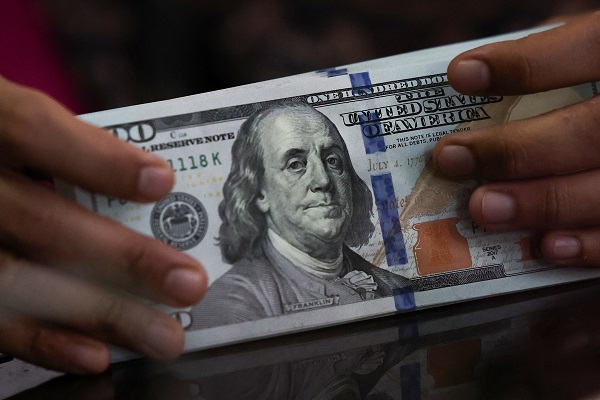
Yen under pressure as BOJ and Fed hold rates steady
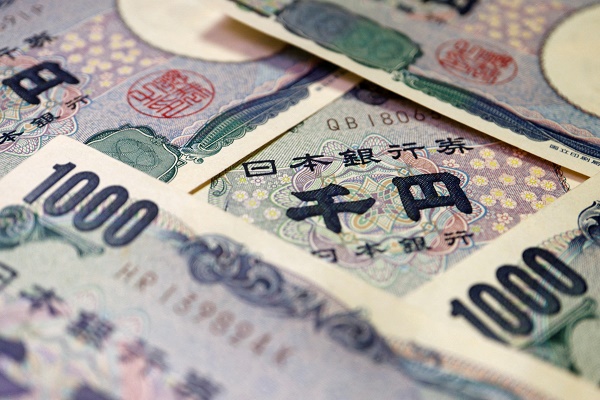
The yen teetered on the brink of its weakest level in two years in Asian morning trading on Thursday, struggling to find footing against a resurgent dollar as the Bank of Japan held rates steady in the shadow of the Iran conflict.
The yen was 0.1% firmer at 159.655 per dollar, off its weakest levels in two years, as the BOJ kept its rate at 0.75% and maintained its assessment that the economy was recovering moderately. Attention turns next to a press conference in a few hours where BOJ Governor Kazuo Ueda will explain the central bank's decision.
"The Bank of Japan gave little away when it decided to keep interest rates unchanged today, but we still think it will hike rates again at its next meeting in April," analysts from Capital Economics wrote in a report.
"The short statement provided little insight into the future course of policy. We’ll therefore have to wait for Governor Ueda’s press conference later today for more insights into the bank’s thinking."
Earlier in the day, Japanese Finance Minister Satsuki Katayama said authorities are on heightened alert for currency market volatility and recent movements have been driven partly by speculators.
The Bank of Japan's decision comes midway through a pivotal stretch of major central bank meetings, as traders hunt for clues on how policymakers will respond to the energy price shock.
The Federal Open Market Committee held interest rates steady on Wednesday and projected higher inflation, steady unemployment and a single reduction in borrowing costs this year, a path that Fed Chair Jerome Powell said was subject to unusually high uncertainty as policymakers take stock of the U.S.-Israeli strikes on Iran.
"Chair Powell was extremely vague on how the FOMC would respond to the war, repeatedly refusing to make conjectures on whether inflation or employment effects would dominate," said Steve Englander, global head of G10 FX research at Standard Chartered in New York.
"The hawkish part was the frustration Powell expressed at the slow pace of disinflation, very explicitly conditioning further policy rate cuts on inflation moving closer to target."
The dollar eased off a two-day high on Thursday as traders assessed the Fed's decision to hold rates against the backdrop of accelerating U.S. inflation amid a raging Middle East conflict and surging oil prices.
The U.S. dollar index, which measures the greenback's strength against a basket of six currencies, edged down 0.1% to 100.07, near its highest levels over the last four months, as traders reined in bets that the Fed would cut interest rates later this year.
The Fed's decision came after data released on Wednesday showed the biggest increase in producer prices for seven months in February, driven by higher costs for services and a range of goods before the start of the war in the Middle East.
Financial markets are almost fully pricing in a hold at the U.S. central bank's April 29 meeting, with expectations of further easing pushed out to 2027. Fed funds futures imply that the odds of a rate cut in December are little better than a coin toss, according to the CME Group's FedWatch tool.
Oil prices climbed further, with Brent crude futures rising 3.8% to $111.42 a barrel after Iran attacked several energy facilities across the Middle East following a strike on its South Pars gas field.
The euro climbed 0.3% to $1.1482, while the British pound edged up 0.2% to $1.3287. Both the European Central Bank and the Bank of England are expected to keep rates on hold when they announce policy decisions later on Thursday.
The Australian dollar edged up 0.4% to $0.7053, after data for February showed unemployment ticked up to 4.3%, slightly above market estimates, and the Reserve Bank of Australia on Thursday warned the conflict in the Middle East was a material risk to the domestic economy.
The New Zealand dollar was up 0.4% at $0.5821 after official data released earlier showed gross domestic product rose 0.2% in the fourth quarter on the prior quarter, but was weaker than analysts' expectations and the central bank's forecast.
"While less than forecast, the figures support the story that the economy was regaining some momentum before the latest oil shock hit," analysts from Westpac wrote in a research note.
The Reserve Bank of New Zealand also said it intended to make changes to its approach to Open Market Operations.
Against the Chinese yuan, the U.S. dollar was down 0.1% at 6.8978 yuan in offshore trade.
Bitcoin was flat at $71,224.36, while ether was up 0.9% at $2,207.96.
.jpg)