What to Look for in a Fitness Tracker
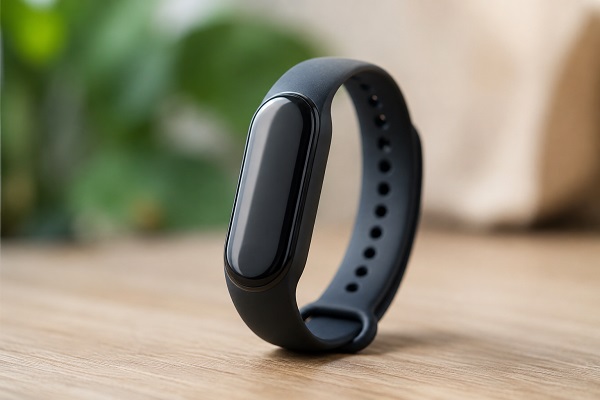
A fitness tracker can help you monitor daily activity, exercise, sleep, and other health-related metrics. With many models available, choosing the right one can be confusing. The best fitness tracker depends on your goals, lifestyle, preferred features, and budget.
1. Activity Tracking
Look for basic features such as step counting, distance tracking, calories burned, and active minutes. These features can help you understand how active you are throughout the day.
2. Workout Tracking
If you exercise regularly, choose a tracker that supports the activities you actually do. Common workout modes include walking, running, cycling, swimming, and strength training.
Some advanced trackers can automatically detect certain workouts, while others require you to start tracking manually.
3. Heart Rate Monitoring
Continuous or periodic heart-rate monitoring can provide useful information during workouts and throughout the day. If this feature matters to you, check whether the tracker offers continuous monitoring and whether it provides workout heart-rate data.
4. Sleep Tracking
Many fitness trackers monitor sleep duration and provide information about sleep patterns. If sleep tracking is important to you, look for a device that is comfortable enough to wear overnight and provides clear sleep reports.
5. GPS
Built-in GPS can be useful for runners, cyclists, and people who enjoy outdoor activities. It allows the tracker to record routes and outdoor distances without necessarily relying on a smartphone.
If you mainly exercise indoors or always carry your phone, GPS may be less important.
6. Battery Life
Battery life can make a big difference in everyday use. Some trackers need charging every few days, while others can last for a week or longer.
Consider how frequently you are comfortable charging the device before buying one.
7. Water Resistance
If you swim or exercise outdoors, consider a tracker with an appropriate water-resistance rating. Check the manufacturer's specifications to understand what type of water exposure the device is designed to handle.
8. Smartphone Compatibility
Before purchasing, make sure the fitness tracker works with your smartphone. Check whether it supports Android, iOS, or both, and review any app requirements.
9. Display and Comfort
A tracker should be comfortable enough to wear throughout the day. Consider the size, weight, strap material, display readability, and overall design.
A comfortable device is more likely to become part of your daily routine.
10. Companion App
The app is just as important as the tracker itself. A good companion app should make it easy to view activity, workouts, sleep information, and progress over time.
Look for an app with a simple interface and useful insights rather than unnecessary complexity.
11. Smart Features
Some fitness trackers offer additional features such as notifications, alarms, music controls, contactless payments, and weather information.
Choose features that you will actually use rather than paying extra for functions you don't need.
12. Price and Value
Fitness trackers are available across different price ranges. A more expensive model isn't necessarily the best choice for everyone.
Compare the features you actually need with the price and consider whether the device offers good long-term value.
Conclusion
Choosing a fitness tracker is mainly about finding the right balance between features, comfort, battery life, compatibility, and price. Start by identifying your main goal—such as tracking steps, workouts, running, sleep, or outdoor activities—and then choose a device that supports those needs without unnecessary features.