The Future of Wearable Technology: What's New in 2026?
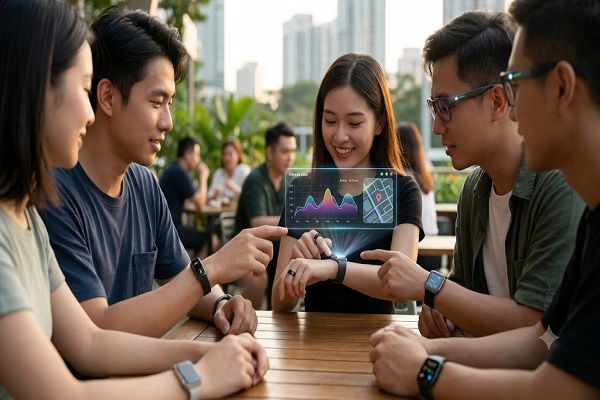
Wearable technology is transforming the way people interact with technology, monitor their health and manage everyday activities. From smartwatches and fitness bands to smart rings and AI-powered glasses, wearable devices are becoming an important part of modern lifestyles.
In 2026, the wearable technology industry is moving beyond basic fitness tracking. Manufacturers are focusing on artificial intelligence, personalised health insights, advanced sensors and smarter connectivity to make devices more useful and convenient.
As technology continues to evolve, wearable gadgets are expected to play an increasingly important role in healthcare, fitness, communication and entertainment.
1. Smartwatches: More Than Just Timekeeping
Smartwatches remain among the most popular wearable devices, but their capabilities are expanding beyond checking notifications, counting steps and tracking workouts.
Modern smartwatches offer features such as:
- Heart-rate monitoring.
- Sleep tracking and analysis.
- Blood oxygen monitoring on supported devices.
- Fitness and activity tracking.
- GPS navigation.
- Fall detection and emergency alerts on supported models.
- AI-powered fitness insights.
In 2026, manufacturers are increasingly focusing on advanced health monitoring, personalised fitness recommendations and improved battery performance.
2. Smart Rings: Small Devices with Big Capabilities
Smart rings are emerging as an interesting alternative to traditional smartwatches. These compact devices are designed to track different health and wellness indicators without requiring users to wear a screen-based gadget.
Depending on the model, smart rings can monitor:
- Sleep patterns and duration.
- Heart rate and heart-rate variability.
- Daily activity levels.
- Skin temperature trends.
- Recovery and wellness indicators.
Their lightweight design makes them convenient for continuous wear, particularly during sleep.
As more companies enter this category, smart rings are expected to become an important part of the wearable technology market.
3. AI-Powered Wearables: A New Era of Personal Assistance
Artificial intelligence is becoming one of the biggest developments in wearable technology.
AI-powered devices can analyse collected information, provide personalised suggestions and make interactions more convenient.
For example, an AI-enabled fitness wearable may analyse workout patterns and recovery data to suggest adjustments to daily exercise routines.
Some emerging AI wearables are also designed to offer voice assistance, record notes, summarise conversations and provide hands-free information.
However, the usefulness of these features depends on processing capabilities, internet connectivity, battery life and data privacy protections.
4. Smart Glasses: The Future of Hands-Free Technology
Smart glasses are becoming one of the most exciting developments in wearable technology.
Unlike traditional eyewear, these devices can integrate cameras, microphones, speakers, AI assistants and, in some models, augmented reality displays.
Potential applications include:
- Hands-free photography and video recording.
- Voice-controlled digital assistance.
- Real-time language translation.
- Navigation and information access.
- Audio communication and entertainment.
- Digital information overlays through supported AR displays.
Smart glasses are gaining market attention because they offer access to digital services without requiring users to constantly look at their smartphones.
According to IDC, shipments of smart glasses without displays are forecast to reach 13.6 million units globally in 2026, representing 41.4% year-on-year growth.
Wearable Devices Market Insights+1
However, privacy concerns surrounding cameras, microphones and recording permissions remain important considerations.
5. Health Monitoring Is Becoming More Advanced
One of the most significant changes in wearable technology is its growing role in personal health monitoring.
Modern wearable devices can collect information about heart rate, sleep, physical activity and other wellness indicators.
Some advanced devices also offer features such as ECG recording, irregular heart rhythm notifications and skin temperature tracking, depending on the model and region.
These technologies can help users understand their daily health patterns and identify changes that may require attention.
However, consumer wearables are not replacements for medical examinations or professional diagnosis. Their readings may vary in accuracy depending on the device and measurement conditions.
6. Fitness Trackers Are Becoming Personal Fitness Companions
Fitness trackers are evolving from simple step counters into more comprehensive activity-monitoring devices.
In 2026, users can find devices that monitor daily movement, exercise duration, calories burned, sleep quality and workout performance.
Some models also provide personalised activity goals and recovery recommendations.
These features are useful for people who want to maintain consistent fitness routines without investing in expensive fitness equipment.
7. Smart Earbuds: More Than Music and Calls
Wireless earbuds are also becoming an important part of the wearable technology ecosystem.
Apart from listening to music and answering calls, modern earbuds offer active noise cancellation, transparency modes, voice assistants and improved microphone technology.
Emerging developments include:
- AI-powered voice assistance.
- Real-time language translation.
- Improved noise reduction.
- Spatial audio experiences.
- Health-related sensing in selected devices.
Smart earbuds are particularly useful for commuters, students, professionals and people who regularly participate in online meetings.
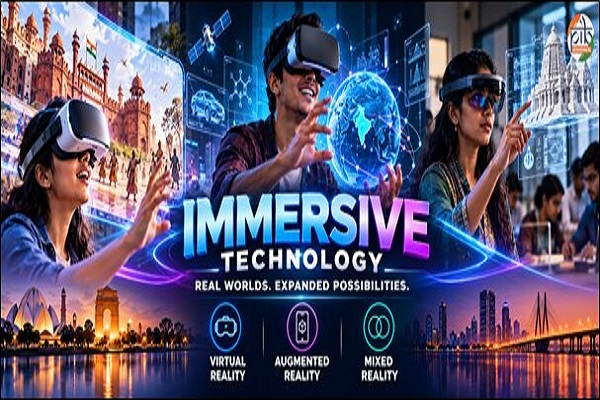
8. Augmented Reality and Virtual Reality Wearables
Augmented Reality (AR) and Virtual Reality (VR) are expanding the possibilities of wearable technology.
AR devices can place digital information over the real-world environment, while VR headsets create immersive digital experiences.
These technologies have potential applications in:
- Gaming and entertainment.
- Virtual meetings and collaboration.
- Education and skill development.
- Industrial training.
- Product demonstrations and design.
As hardware becomes more comfortable and software improves, immersive wearable technology could become increasingly relevant in professional and personal environments.
9. Wearable Technology in India: A Growing Opportunity
India is becoming an important market for wearable technology, supported by growing smartphone usage, digital awareness and interest in fitness devices.
Smartwatches, wireless earbuds and fitness bands are already familiar products among Indian consumers.According to IDC data reported by Moneycontrol, India's wearable device shipments declined 7.4% year-on-year in the second quarter of 2026, while smart glasses shipments increased 38.3%. This suggests that consumers are becoming more selective and showing interest in newer wearable categories.
Moneycontrol
The market is also seeing greater attention towards premium smartwatches, advanced fitness tracking and connected health features.
10. What Should You Consider Before Buying a Wearable Device?
With so many wearable gadgets available, choosing the right device requires more than comparing designs and prices.
Here are some important factors to consider:
1. Battery Life: Choose a device that can support your daily usage without frequent charging.
2. Compatibility: Check whether the wearable works properly with your smartphone's operating system.
3. Health Features: Understand which health and fitness measurements the device supports.
4. Comfort and Design: Consider weight, material, size and suitability for long-term use.
5. Water Resistance: Check the device's water-resistance rating before using it for swimming or water-based activities.
6. Privacy and Security: Review how personal information is collected, stored and shared.
7. Price and Maintenance: Compare the purchase price, subscription requirements and replacement costs.
What Does the Future Hold for Wearable Technology?
The future of wearable technology is expected to be shaped by artificial intelligence, advanced sensors, smaller designs and improved connectivity.
Smart rings may offer more sophisticated wellness tracking, while smart glasses could make hands-free digital assistance more accessible.
Another important development is the growing integration of wearable devices with smartphones, healthcare platforms and other connected technologies.
According to Counterpoint Research, consumer wearables could generate more than $1 trillion in cumulative global revenue between 2026 and 2032. Smartwatches, hearables, smart rings and smart eyewear are expected to contribute to this growth.
Counterpoint Research
At the same time, manufacturers will need to address challenges related to battery performance, data accuracy, affordability and consumer privacy.
Conclusion
Wearable technology is moving beyond basic fitness tracking and becoming an important part of everyday digital life. From smartwatches and smart rings to AI-powered glasses and wireless earbuds, these devices are changing how people monitor their activities, access information and interact with technology.
In 2026, the focus is shifting towards smarter features, personalised insights and more convenient user experiences.
As innovation continues, wearable devices could become even more useful in healthcare, fitness, communication and entertainment.
Ultimately, the future of wearable technology is not just about creating smaller gadgets. It is about developing smarter devices that make everyday life more connected, convenient and efficient.