Temple Food Tourism: A Spiritual Journey Through Sacred Flavors
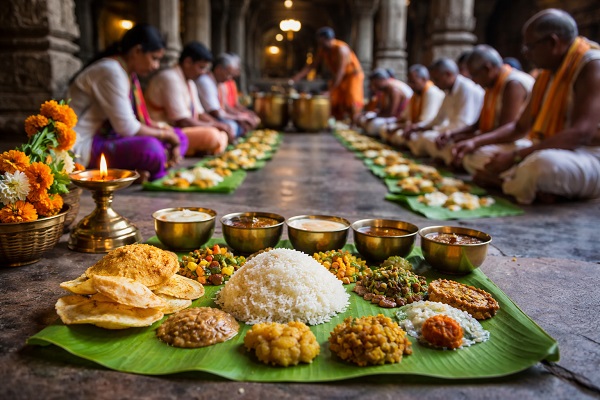
Temple food tourism is a unique travel experience that blends spirituality, culture, and traditional cuisine into one soulful journey. Across India and many parts of Asia, temples are not only places of worship but also centers of community ???? (food), purity, and tradition. The food served here—often called prasadam—is deeply rooted in religious beliefs and prepared with devotion, simplicity, and sacred rituals.
What Makes Temple Food Special?
Temple food is not just about taste—it’s about intent and purity. Meals are usually:
Satvik (pure vegetarian)—no onion, garlic, or processed ingredients
Cooked in a calm, prayerful environment
Prepared using traditional recipes passed down generations
Served as an offering to the deity before being shared
This makes temple food both spiritually uplifting and nutritionally balanced.
Famous Temple Food Destinations
India offers a rich variety of temple food experiences that attract both devotees and food lovers:
Jagannath Temple – Known for the world’s largest kitchen serving Mahaprasad cooked in earthen pots
Golden Temple – Offers the famous Langar, feeding thousands daily regardless of religion
Tirupati Balaji Temple – Renowned for its iconic laddu prasadam
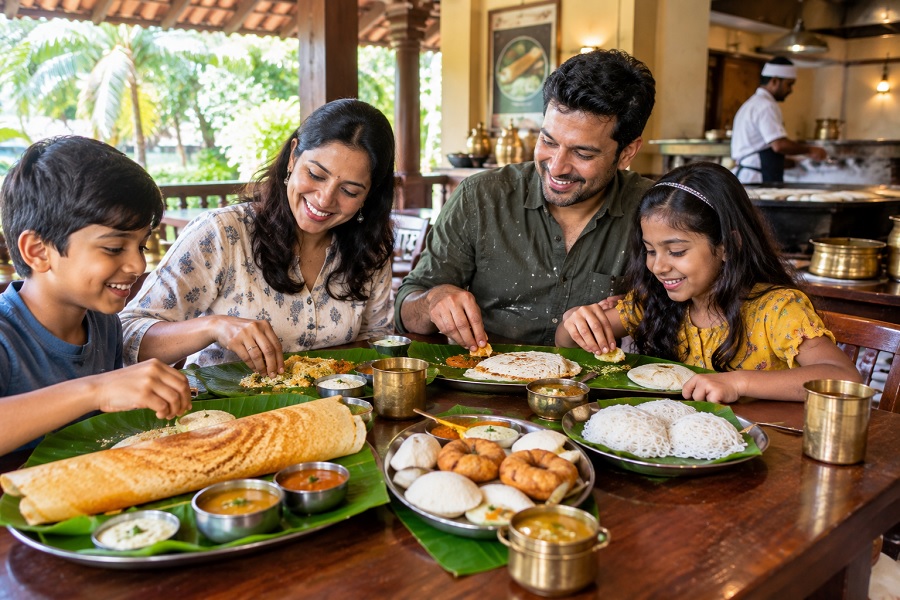
Udupi Sri Krishna Temple – Birthplace of the Udupi cuisine, known for simple yet flavorful meals
Each destination offers a distinct culinary identity, shaped by local culture and religious traditions.
The Experience of Eating in a Temple
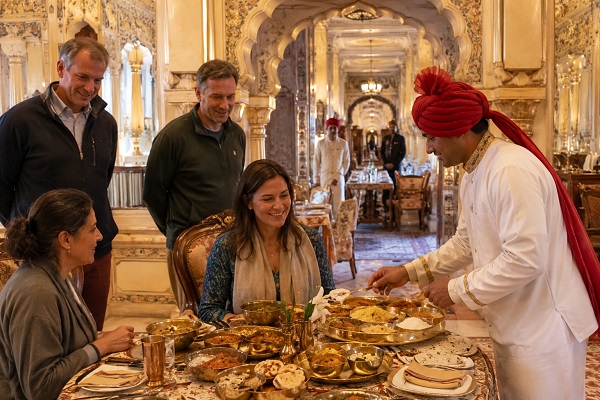
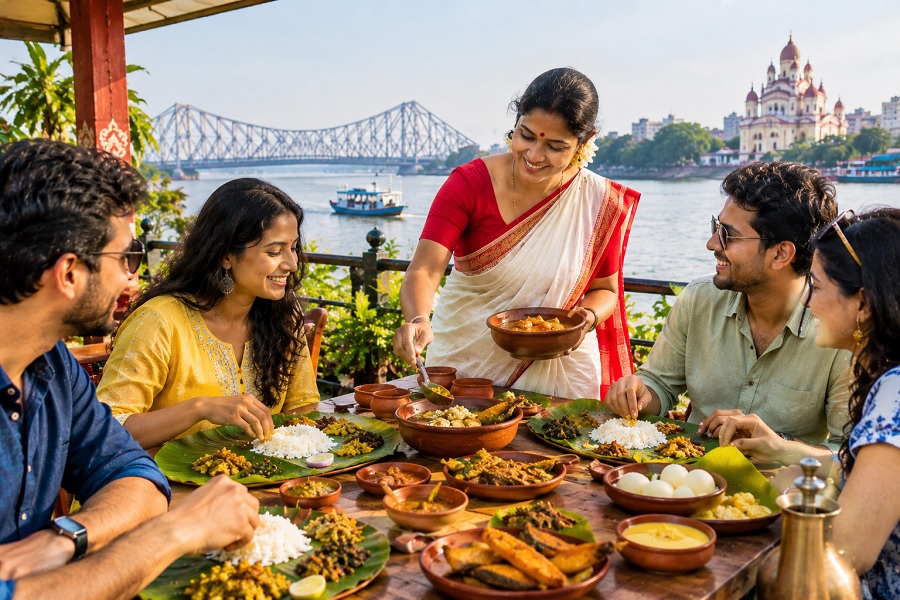
Dining in a temple is unlike any restaurant experience. Visitors often sit on the floor in rows, and food is served on banana leaves or steel plates. The atmosphere is peaceful, and the act of eating becomes meditative and communal.
The focus is not on luxury but on:
Gratitude
Sharing
Equality (everyone eats the same meal)
Rise of Temple Food Tourism
With the growing interest in authentic and mindful travel, temple food tourism is gaining popularity. Travelers are now seeking:
Cultural immersion
Healthy, traditional meals
Spiritual connection
It’s also closely linked with sustainable tourism, as most temple kitchens use local ingredients and avoid food waste.
Tips for Temple Food Travelers
Respect temple rules and dress modestly
Maintain silence and discipline while dining
Avoid wasting food
Be open to simple flavors—less spice, more purity
Conclusion
Temple food tourism is more than just a culinary journey—it’s an experience of devotion, culture, and simplicity. It reminds us that food is not just for the body but also for the soul. Whether you’re a traveler, foodie, or spiritual seeker, exploring temple cuisine offers a deeply enriching and unforgettable experience.