Swimming Wellness Retreats: A Complete Guide to Healthy Travel
Introduction
Swimming wellness retreats are becoming an attractive choice for travelers who want to combine relaxation, physical activity, healthy living, and a peaceful holiday in one experience. Unlike conventional vacations that mainly focus on sightseeing or entertainment, wellness retreats are designed around personal well-being.
Swimming can be an important part of these retreats because it provides a low-impact form of physical activity while also offering an enjoyable way to spend time in water. A swimming-focused wellness retreat may combine swimming sessions with yoga, meditation, spa treatments, nutritious meals, nature walks, fitness programs, breathing exercises, and relaxation therapies.
These retreats can appeal to people seeking a healthier lifestyle, a break from busy routines, or simply a peaceful vacation surrounded by nature.
What Are Swimming Wellness Retreats?
A swimming wellness retreat is a travel experience centered around swimming, water-based activities, relaxation, fitness, and holistic well-being.
Depending on the property, a retreat may offer:
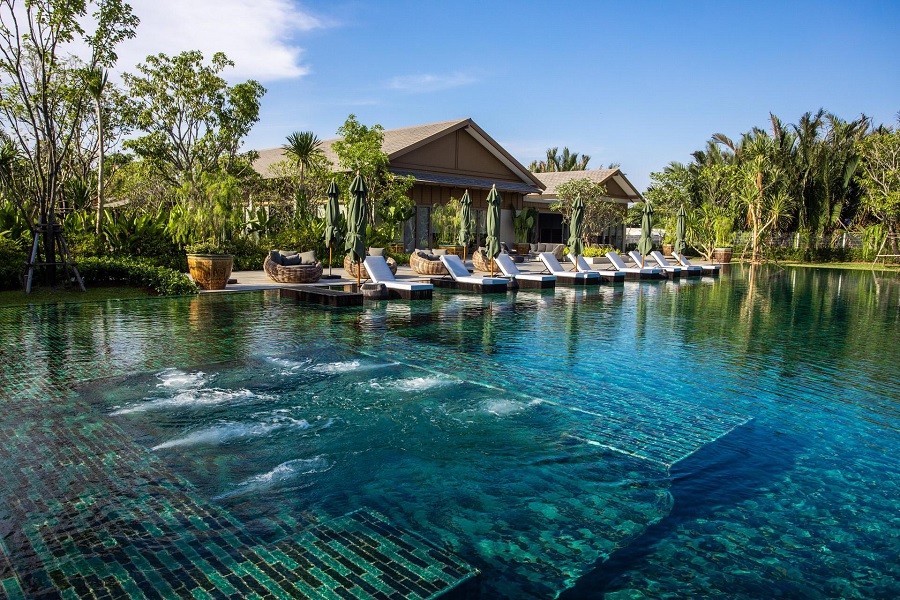
Swimming pools
Guided swimming sessions
Aqua fitness
Water-based relaxation activities
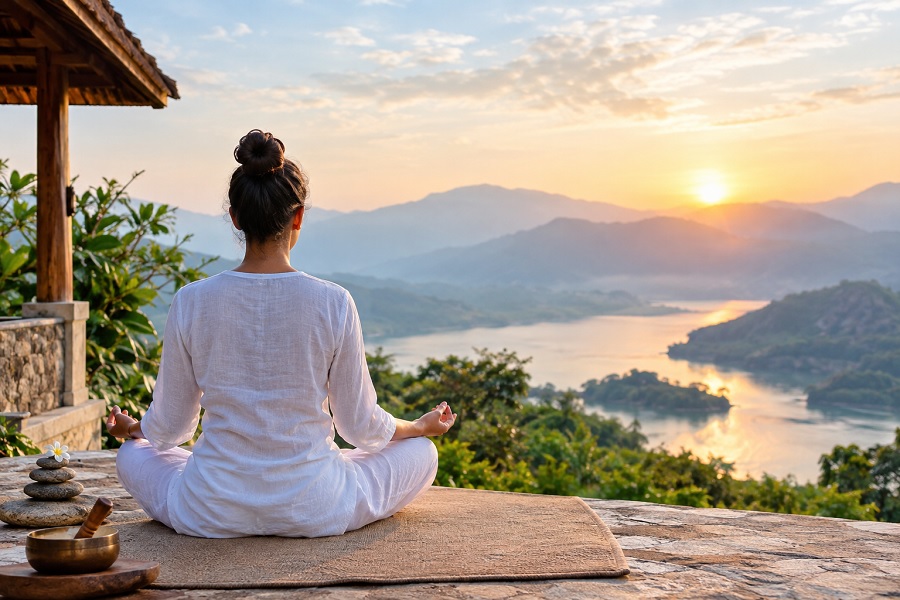
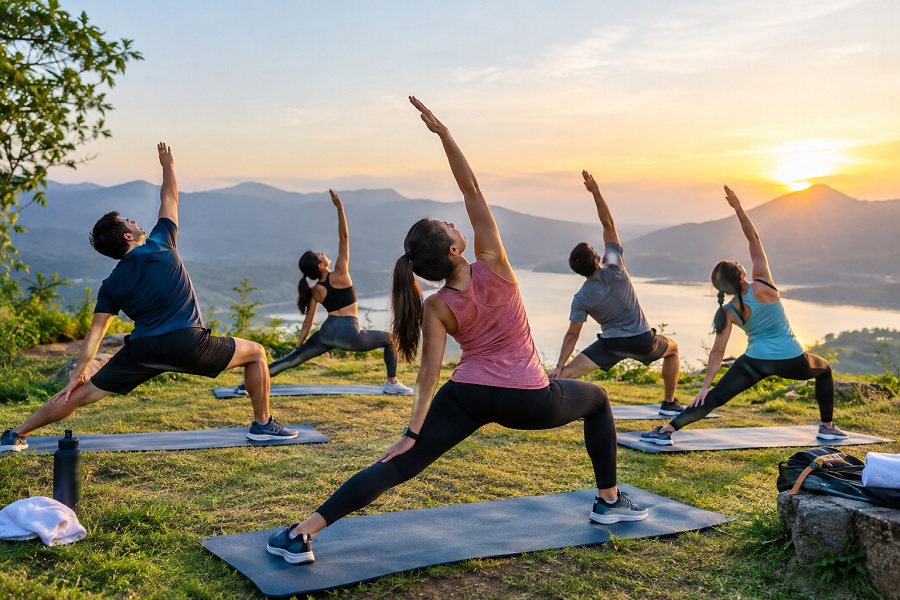
Yoga and meditation
Spa treatments
Healthy meals
Fitness classes
Nature activities
Wellness workshops
Sleep and relaxation programs
Breathing and mindfulness sessions
The main objective is to create an environment where travelers can slow down, stay active, and focus on their overall well-being.
Why Are Swimming Wellness Retreats Becoming Popular?
Modern lifestyles can involve long working hours, screen exposure, commuting, limited physical activity, and high levels of daily stress. As a result, many travelers are searching for holidays that help them disconnect from routine and focus on healthier habits.
Swimming wellness retreats offer several attractions.
1. Combining Exercise and Vacation
Travelers do not have to choose between fitness and relaxation. Swimming can be incorporated naturally into a holiday.
2. Peaceful Environment
Many wellness retreats are located near beaches, mountains, forests, lakes, or countryside areas, creating a calm atmosphere.
3. Low-Impact Exercise
Swimming is generally considered a low-impact activity because the water supports much of the body's weight. This makes it attractive to people looking for gentler exercise, although individual suitability varies.
4. Mind-Body Connection
Swimming requires breathing control, coordinated movement, and concentration. These characteristics can complement mindfulness and relaxation practices.
5. Complete Wellness Experience
A retreat can combine swimming with nutrition, sleep, relaxation, fitness, and other wellness activities instead of focusing on exercise alone.
Types of Swimming Wellness Retreats
There are several types of swimming-focused wellness holidays.
1. Luxury Swimming Retreats
Luxury resorts may offer large pools, private villas, spa facilities, personal trainers, nutrition programs, and customized wellness packages.
These retreats are designed for travelers looking for premium accommodation and personalized experiences.
2. Fitness Swimming Retreats
Fitness-focused programs emphasize structured swimming sessions, strength training, mobility exercises, and nutritional guidance.
They can be suitable for travelers who want to maintain or improve their fitness while traveling.
3. Swimming Training Retreats
These retreats are designed around swimming technique and performance. Programs may include coaching, stroke analysis, endurance sessions, and structured training.
Participants should choose programs appropriate for their skill level.
4. Family Wellness Retreats
Family-friendly retreats may offer swimming pools and activities suitable for different age groups while also providing wellness experiences for adults.
5. Nature-Based Swimming Retreats
These retreats combine swimming with outdoor experiences such as hiking, nature walks, kayaking, or scenic exploration.
6. Spa and Swimming Retreats
These combine swimming with spa experiences such as massages, relaxation areas, saunas, steam rooms, and other wellness services.
7. Beach Wellness Retreats
Beach resorts can combine swimming in pools or designated safe sea areas with yoga, meditation, healthy meals, and outdoor activities.
Health and Fitness Benefits of Swimming
Swimming is widely recognized as a form of aerobic exercise that engages many major muscle groups.
Potential benefits of regular swimming include:
Cardiovascular Fitness
Swimming can elevate the heart rate and contribute to cardiovascular conditioning when performed at an appropriate intensity.
Muscular Endurance
Swimming involves repeated movements of the arms, legs, core, and back, helping develop muscular endurance.
Flexibility and Mobility
The repeated movement patterns involved in swimming can support general mobility, particularly when combined with appropriate stretching and mobility exercises.
Low-Impact Movement
Water reduces the impact associated with many land-based exercises. This can make swimming attractive to people who prefer lower-impact activities.
Energy Expenditure
Swimming can contribute to overall physical activity and energy expenditure. The amount varies depending on swimming technique, duration, intensity, body composition, and other factors.
Mental Relaxation
The rhythmic movement and controlled breathing involved in swimming can feel calming and may help people temporarily disconnect from daily distractions.
Swimming and Mental Wellness
A wellness retreat should not focus exclusively on physical fitness. Mental relaxation is equally important.
Swimming can provide a repetitive, focused activity that allows participants to concentrate on breathing and movement rather than work, social media, or everyday responsibilities.
Many retreats complement swimming with:
Meditation
Mindfulness
Breathwork
Yoga
Journaling
Nature walks
Digital detox programs
Quiet relaxation sessions
Together, these activities can create a more comprehensive wellness experience.
Swimming Wellness Retreats and Stress Management
Travelers often choose wellness retreats because they want to step away from demanding routines.
A swimming session can become part of a structured daily schedule:
Morning:
Swimming or aqua exercise
Late morning:
Healthy breakfast and relaxation
Afternoon:
Spa treatment, nature walk, yoga, or wellness workshop
Evening:
Light activity, meditation, healthy dinner, and relaxation
The goal is not necessarily to exercise intensely throughout the day. Instead, the schedule can create a healthier balance between movement and rest.
Nutrition at Swimming Wellness Retreats
Nutrition is an important component of many wellness programs.
A swimming retreat may provide meals featuring:
Fresh fruits
Vegetables
Whole grains
Legumes
Nuts and seeds
Lean protein sources
Healthy fats
Hydrating beverages
Some retreats also offer specialized menus based on individual dietary preferences.
However, travelers should be cautious of programs making exaggerated nutrition or detox claims. A balanced diet and sustainable eating habits are generally more useful than extreme short-term restrictions.
Swimming and Spa Experiences
Swimming and spa treatments can complement each other.
After a swimming session, guests may choose relaxation activities such as:
Massage
Sauna
Steam room
Relaxation lounge
Hydrotherapy facilities
Gentle stretching
Meditation
The exact services vary by resort and destination.
Guests should follow facility rules and consult professionals when they have medical or physical concerns about heat exposure, intense exercise, or specific treatments.
Popular Locations for Swimming Wellness Retreats
Swimming wellness retreats can be found in many types of destinations.
Coastal Destinations
Beach resorts provide opportunities to combine pool swimming, sea views, outdoor activities, and relaxation.
Mountain Destinations
Mountain wellness resorts can combine swimming with scenic views, hiking, yoga, and peaceful surroundings.
Tropical Destinations
Tropical resorts often feature large outdoor pools, gardens, spa facilities, and wellness programs.
Countryside Retreats
Rural retreats can provide quiet environments away from crowded cities.
Urban Wellness Resorts
Some city hotels also offer wellness packages featuring swimming pools, fitness centers, spa services, and healthy dining.
Travelers should:
Choose facilities with appropriate safety measures.
Follow pool rules.
Never swim beyond their ability.
Avoid swimming alone in unfamiliar environments.
Pay attention to lifeguard instructions.
Stay hydrated.
Avoid swimming while impaired by alcohol or other substances.
Use appropriate sun protection for outdoor pools.
Follow instructions for saunas and other heat facilities.
Inform staff about relevant limitations when necessary.
Open-water swimming requires additional caution because currents, weather, water temperature, visibility, and local conditions can change quickly.
How to Choose the Right Swimming Wellness Retreat
Before booking, travelers should evaluate several factors.
Swimming Facilities
Check pool size, depth, cleanliness, operating hours, temperature, and available safety facilities.
Program Quality
Look at the swimming classes, fitness activities, wellness sessions, and coaching qualifications offered.
Accommodation
Consider room quality, privacy, cleanliness, accessibility, and proximity to the pool.
Food
Check whether meals match your dietary preferences and nutritional needs.
Location
Choose between beaches, mountains, countryside, or urban resorts depending on the type of experience you want.
Group Size
Smaller groups may offer a more personalized experience, while larger groups can create a more social atmosphere.
Cost
Compare accommodation, meals, swimming sessions, spa treatments, transfers, and additional activities before booking.
Reviews
Guest reviews can provide useful information about cleanliness, staff, facilities, food, and overall experience.
Sustainable Swimming Wellness Tourism
Sustainability is becoming increasingly important in wellness tourism.
Swimming pools can require substantial amounts of water and energy. Responsible resorts can reduce their environmental footprint through:
Efficient water filtration systems
Water-saving technologies
Renewable energy
Solar heating
Responsible chemical management
Waste reduction
Reusable amenities
Local food sourcing
Eco-friendly construction
Efficient laundry systems
Nature-based retreats should also protect surrounding ecosystems and avoid excessive tourism pressure.
The Future of Swimming Wellness Retreats
The wellness tourism industry is evolving toward more personalized and experience-driven holidays.
Future swimming retreats may increasingly offer:
Personalized swimming programs
Digital fitness tracking
Wearable-based training
Individual nutrition plans
AI-supported wellness planning
Small-group coaching
Eco-friendly swimming facilities
Mindfulness programs
Sleep-focused retreats
Family wellness packages
Combined fitness and cultural experiences
Technology may help personalize programs, but human coaching, hospitality, safety, and genuine relaxation will remain central to the experience.
Tips for Making the Most of a Swimming Wellness Retreat
To get maximum value from a retreat:
Set realistic wellness goals before arriving.
Choose activities that match your fitness level.
Do not overtrain simply because swimming is available.
Stay properly hydrated.
Give your body sufficient recovery time.
Try wellness activities beyond swimming.
Explore healthy local cuisine.
Reduce unnecessary screen time.
Get adequate sleep.
Continue sustainable habits after returning home.
The most valuable outcome of a wellness retreat is not simply feeling refreshed for a few days. It is learning practical habits that can be incorporated into everyday life.
Conclusion
Swimming wellness retreats bring together physical activity, relaxation, travel, nutrition, nature, and personal well-being. Swimming can provide an enjoyable form of exercise, while complementary activities such as yoga, meditation, spa treatments, healthy meals, and outdoor experiences create a broader wellness journey.
The best retreat is not necessarily the most expensive or luxurious one. It is the one that provides safe swimming facilities, suitable activities, comfortable accommodation, nutritious food, qualified professionals, a peaceful environment, and a realistic approach to wellness.
As travelers increasingly seek meaningful alternatives to traditional vacations, swimming wellness retreats have the potential to become an important part of the growing wellness tourism industry.