Services exports, remittances may soften oil shock impact on India

Strong services exports and steady remittance inflows could help cushion the impact of rising crude oil prices on India’s economy, even as the country remains heavily dependent on imported energy, a report showed on Wednesday.
According to the report by DSP Netra, crude oil continues to be one of the most critical variables for India’s macroeconomic stability, particularly as the rupee has weakened recently amid rising global oil prices.
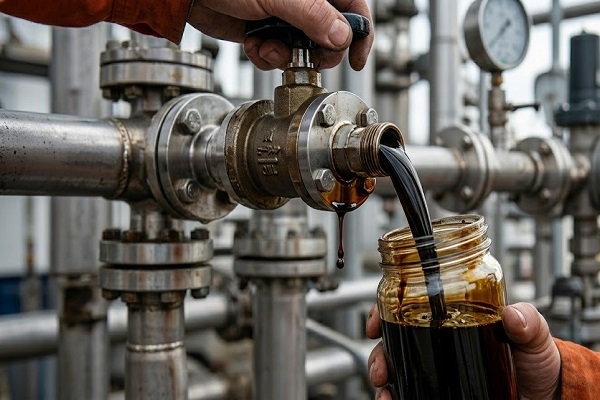
India consumes about 5.3-5.5 million barrels of crude oil per day, while domestic production stands at only around 0.6 million barrels per day, making the country nearly 85 per cent dependent on imports.
Petroleum imports already account for around 25–30 per cent of India’s total imports, making oil prices a key driver of the country’s external balance, the report said.
The report also pointed out that every $10 increase in crude oil prices adds roughly $12–15 billion to India’s annual import bill.
According to analysts, if crude prices were to rise towards $120 per barrel and remain elevated through FY27, India’s oil trade deficit could surge to nearly $220 billion, pushing the current account deficit above 3.1 per cent of GDP.
Historically, such episodes have led to rupee depreciation of more than 10 per cent, accompanied by higher inflation and tighter liquidity conditions, the report noted.
However, the report highlighted that India’s external sector has undergone a structural shift in recent years, with robust services exports and strong remittance inflows providing a buffer against oil price shocks.
As a result, while crude price spikes remain a key macro risk, their impact on the current account balance could be more moderate compared with earlier cycles.
With global geopolitical tensions and supply dynamics keeping crude prices volatile, the report said markets will closely watch whether oil once again becomes the dominant driver of India’s currency, inflation, and capital flows in the coming quarters.