Safety Features Every Car Should Have
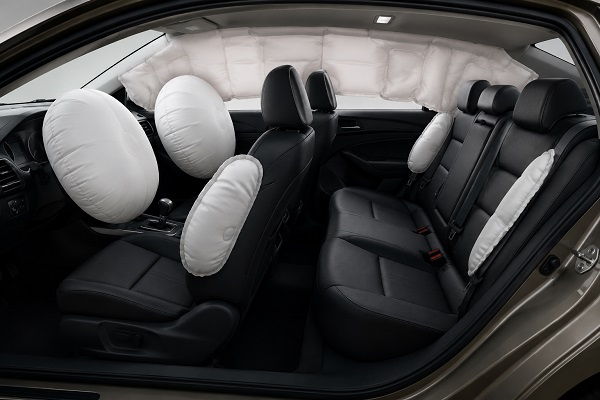
Car safety has become one of the most important factors to consider when buying a vehicle. Modern cars come with technologies designed to help prevent crashes, protect occupants during accidents and reduce the severity of injuries.
While no feature can eliminate every road risk, having the right combination of active and passive safety equipment can make a significant difference.
1. Airbags
Airbags are among the most important passive safety features in a car.
In the event of a collision, airbags deploy rapidly to help protect occupants from hitting hard surfaces inside the vehicle. Depending on the car, airbags can include front, side, curtain and knee airbags.
More airbags don't automatically make a car completely safe, but adequate airbag coverage can provide additional protection during a crash.
2. Anti-Lock Braking System (ABS)
ABS helps prevent the wheels from locking up during hard braking.
Without ABS, a sudden emergency stop can cause the wheels to lock, potentially making it difficult for the driver to steer around an obstacle.
ABS allows the driver to maintain better steering control while braking heavily.
3. Electronic Stability Control (ESC)
Electronic Stability Control helps reduce the risk of losing control when a vehicle begins to skid or deviate from the driver's intended direction.
The system can selectively apply braking to individual wheels and may reduce engine power when necessary.
ESC is particularly useful during sudden manoeuvres, slippery conditions and emergency situations.
4. Electronic Brakeforce Distribution
Electronic Brakeforce Distribution, commonly known as EBD, works alongside ABS to distribute braking force between the wheels.
The system considers factors such as vehicle load and braking conditions to help maintain stability during braking.
5. Seat-Belt Pretensioners
Seat belts are fundamental safety equipment, but modern vehicles can make them more effective through pretensioners.
During a collision, pretensioners can tighten the seat belt to help hold occupants securely in position.
6. Seat-Belt Reminders
Seat-belt reminder systems alert occupants when a seat belt hasn't been fastened.
Some modern vehicles provide reminders for multiple seating positions, encouraging everyone inside the vehicle to buckle up.
7. ISOFIX Child-Seat Mounts
Families with young children should look for ISOFIX or compatible child-seat mounting systems.
These standardized attachment points make it easier to securely install compatible child seats and reduce the possibility of incorrect installation.
8. Tyre Pressure Monitoring System
A Tyre Pressure Monitoring System, or TPMS, alerts the driver when tyre pressure becomes too low.
Incorrect tyre pressure can affect braking, handling, tyre wear and fuel efficiency. Maintaining the correct pressure is therefore an important part of vehicle safety.
9. Rear Parking Sensors and Camera
Parking sensors and rear-view cameras can help drivers identify obstacles behind the vehicle.
They are particularly useful in crowded parking areas and can improve visibility when reversing.
However, drivers should still check mirrors and surroundings rather than relying entirely on electronic systems.
10. Blind-Spot Monitoring
Blind-spot monitoring uses sensors to detect vehicles that may be difficult to see in the side mirrors.
The system can provide a visual or audible warning when another vehicle is detected in the blind spot.
This can be especially useful when changing lanes on highways.
11. Lane Departure Warning
Lane Departure Warning systems can alert drivers when the vehicle unintentionally begins moving out of its lane.
Some systems can also provide steering assistance to help keep the vehicle within the lane.
12. Forward Collision Warning
Forward Collision Warning monitors the road ahead and can alert the driver when the system detects a potential collision with another vehicle or obstacle.
It gives the driver additional time to react to a developing situation.
13. Automatic Emergency Braking
Automatic Emergency Braking, or AEB, can automatically apply the brakes when the system detects an imminent collision and determines that the driver hasn't responded sufficiently.
Depending on the vehicle, AEB may also detect pedestrians, cyclists or other road users.
14. Adaptive Cruise Control
Adaptive Cruise Control goes beyond traditional cruise control by maintaining a selected speed while also adjusting the vehicle's distance from traffic ahead.
It can make highway driving more convenient, although drivers must remain attentive and ready to take control.
15. High-Strength Safety Structure
Electronic features are important, but the physical structure of the vehicle is equally critical.
A strong passenger compartment, carefully designed crumple zones and effective crash-energy management can help protect occupants during a collision.
16. Good Visibility
Large windows, effective mirrors, properly positioned pillars and good-quality headlights can significantly improve a driver's ability to identify hazards.
Visibility is sometimes overlooked when comparing cars, but it plays an important role in everyday driving safety.
17. High-Quality Tyres
Tyres are the only part of the car that directly contacts the road.
Good-quality tyres with appropriate tread depth and the correct specifications can improve braking, cornering and wet-road performance.
Even the best safety systems cannot compensate for badly worn tyres.
18. Head-Up Display
A Head-Up Display can project important information such as speed and navigation instructions into the driver's field of view.
By reducing the need to look down at the instrument cluster or infotainment screen, it can help the driver maintain attention on the road.
19. Driver Monitoring Systems
Some newer vehicles use cameras or sensors to monitor driver attention.
If the system detects signs of distraction or fatigue, it may issue warnings encouraging the driver to take a break or pay attention.
20. Advanced Driver Assistance Systems
Modern vehicles can combine several technologies into an Advanced Driver Assistance System, commonly called ADAS.
Depending on the vehicle, ADAS can include:
* Automatic Emergency Braking
* Lane Keeping Assistance
* Adaptive Cruise Control
* Blind-Spot Monitoring
* Forward Collision Warning
* Rear Cross-Traffic Alert
* Traffic Sign Recognition
* Driver Monitoring
These technologies are designed to assist the driver, not replace them.
What Should You Prioritize?
When comparing cars, don't focus only on the number of airbags or the size of the touchscreen.
A good safety package should ideally combine **strong crash protection, effective braking and stability systems, good visibility, quality tyres and useful driver-assistance technologies**.
It is also worth checking independent crash-test ratings where available rather than relying solely on manufacturer claims.
The Bottom Line
Car safety is about more than a single feature. **Airbags, ABS, ESC, seat belts, strong vehicle construction and modern driver-assistance systems all work together to provide protection.**
When buying a car, safety should be treated as a priority rather than an optional extra. Most importantly, even the most advanced safety technology works best when combined with responsible driving, proper maintenance and consistent seat-belt use.