Rural India`s Growing Love for EV Two-Wheelers
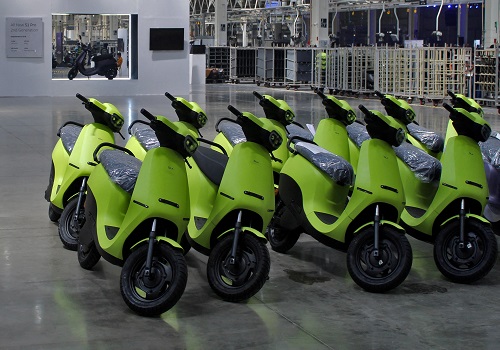
Electric mobility is no longer just an urban trend—it’s steadily making its way into the heart of rural India. Over the past few years, electric two-wheelers have gained remarkable traction in villages and small towns, driven by rising fuel costs, government incentives, and increasing awareness about sustainability.
Why Rural India Is Embracing EV Two-Wheelers
One of the biggest reasons behind this shift is simple economics. Petrol prices have been volatile, and for daily commuters in rural areas—farmers, delivery workers, small business owners—the cost of running a conventional bike adds up quickly. Electric two-wheelers offer significantly lower running costs, often just a fraction of petrol expenses.
Maintenance is another key factor. EVs have fewer moving parts compared to internal combustion engine (ICE) vehicles, which means less frequent servicing and lower long-term costs—an important advantage where service centers may be far away.
Government Push and Accessibility
Government initiatives like subsidies under schemes such as FAME (Faster Adoption and Manufacturing of Electric Vehicles) have made EVs more affordable. Many state governments are also offering additional benefits like tax exemptions and registration fee waivers, making electric scooters and bikes accessible to rural buyers.
Additionally, local dealerships and startups are expanding into smaller towns, ensuring that EVs are no longer limited to metro cities.
Charging Challenges—and Solutions
Charging infrastructure remains a concern in rural areas, but innovative solutions are bridging the gap. Many users charge their vehicles at home using standard electricity connections. Solar-powered charging stations are also emerging as a viable alternative in off-grid or low-power regions.
Battery swapping models are gaining popularity too, reducing downtime and making EV usage more convenient.
Changing Perception and Awareness
Earlier, EVs were seen as underpowered or unreliable. Today, improved battery technology and better performance have changed that perception. Modern electric two-wheelers offer decent speed, good range, and smart features—making them practical for everyday rural use.
Word-of-mouth and early adopters are playing a crucial role in building trust within communities.
Economic and Environmental Impact
The shift to EVs is not just about savings—it’s also creating new opportunities. Local entrepreneurs are setting up charging points, repair services, and even EV dealerships, contributing to rural employment.
Environmentally, reduced emissions and noise pollution are significant benefits, especially in areas where clean air and quiet surroundings are essential to quality of life.
The Road Ahead
While challenges like charging infrastructure and upfront costs still exist, the trajectory is clear: rural India is warming up to electric mobility. As technology improves and awareness spreads, EV two-wheelers are likely to become a common sight on village roads.
The movement represents more than just a change in vehicles—it’s a shift toward a more sustainable, cost-effective future for rural communities.