Privacy vs Convenience: Are Your Smart Devices Listening Too Much?
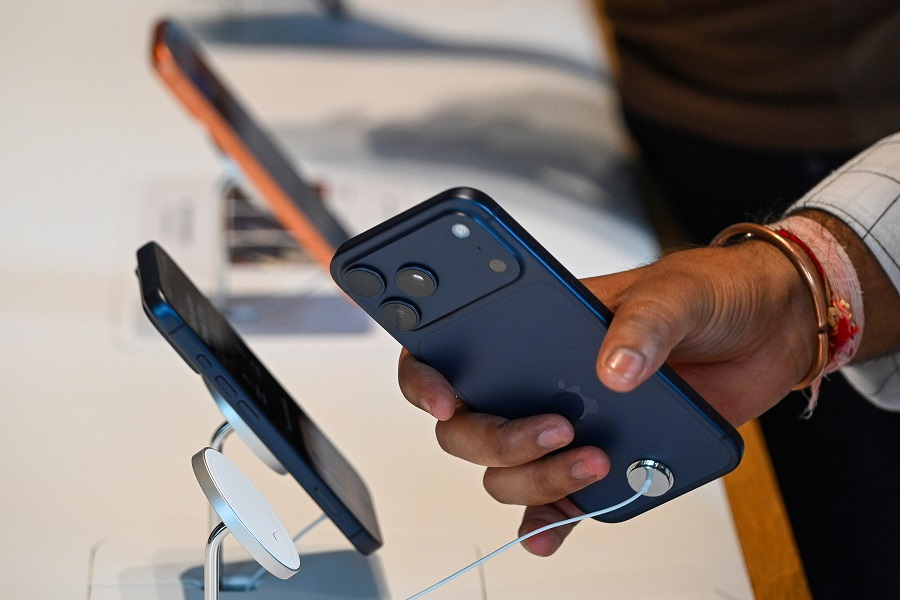
Smart devices have quietly become part of everyday life. From voice assistants and smart TVs to wearable gadgets and connected home appliances, they promise convenience at every step. But this convenience raises a deeper question—how much privacy are we giving away in return?
The Rise of Always-On Technology
Modern smart devices are designed to be responsive at all times. Voice assistants wait for wake words, smart speakers stay connected to the cloud, and apps continuously collect usage data to “improve experience.” This always-on design makes life easier, but it also means these devices are constantly processing what happens around them.
Why It Feels Like Devices Are “Listening”
Many users notice ads or recommendations that seem too accurate or timely. This creates the impression that devices are actively listening to private conversations. While most companies claim they don’t record everything, they do rely heavily on data patterns, app activity, location tracking, and behavior analysis—which can feel surprisingly personal.
What Smart Devices Actually Collect
Instead of continuous recording, most devices gather fragmented data such as:
- Voice commands and search queries
- App usage patterns
- Location history
- Device interactions and habits
- Connected device behavior within a smart home ecosystem
When combined, this data can build a highly detailed profile of a user’s lifestyle.
Convenience Comes at a Cost
Smart ecosystems are built to reduce effort—turning on lights, setting reminders, recommending content, or predicting needs. The trade-off is data sharing. The more connected your devices are, the more they learn about your routine, preferences, and even behavior patterns.
Where Privacy Risks Actually Exist
The real concern is not just listening—it’s data storage and usage. Risks can arise from:
- Weak security in smart devices
- Data leaks or breaches
- Third-party data sharing
- Over-permissioned apps
- Lack of transparency in data policies
In many cases, users unknowingly agree to extensive data collection during setup.
Finding a Balance Between Comfort and Control
Completely avoiding smart devices is unrealistic for most people today. Instead, the focus is shifting toward control:
- Turning off unnecessary microphone permissions
- Reviewing privacy settings regularly
- Limiting always-on features when not needed
- Using devices from trusted ecosystems
- Being mindful of what you connect to your network
Small adjustments can significantly reduce unnecessary data exposure.
The Bigger Picture
The real debate is not whether smart devices are “spying,” but how much data we are willing to exchange for convenience. As technology becomes more integrated into daily life, privacy is no longer absolute—it becomes a matter of choice and awareness.
Final Thought
Smart devices are not inherently intrusive, but they are deeply data-driven. The challenge is not to reject convenience, but to understand its cost and decide where to draw the line.