The Rise of the Hologram Smartphone
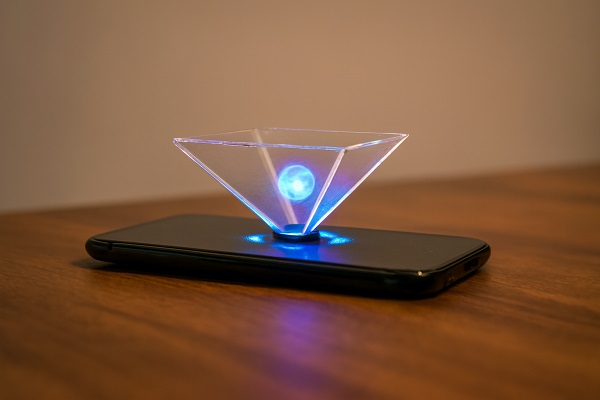
Smartphones have changed almost everything about daily life, but the next big shift is already taking shape. Hologram smartphones are bringing a new way to interact with digital content. Instead of looking down at a flat screen, users can see floating images that appear to hover above the device. It feels closer to science fiction than everyday tech, yet it’s becoming more real each year.
A hologram smartphone uses a transparent pyramid or built-in optical system to project light upward. When the phone plays a special hologram video, the light reflects inside the structure and forms a 3D image that looks like it’s floating in the air. It doesn’t require glasses or a headset. You simply place the device on your screen and watch the projection come alive. This makes it ideal for short videos, creative displays and even educational demos.
The idea behind hologram smartphones is simple. People want a richer and more immersive way to interact with their devices. A 3D floating object gives more depth and makes content feel more lifelike. Even basic visuals like a spinning globe or a glowing symbol become more engaging when they leave the screen and appear in mid-air.
As the technology grows, companies are exploring ways to integrate holograms directly into phone displays. That could mean future devices will be able to project messages, video calls, maps or notifications above the screen without using any external accessory. The dream is a phone where digital objects feel like part of the real world.
Hologram smartphones may not replace today’s screens soon, but they show where mobile tech is headed. The focus is moving toward immersive visuals, natural interaction and 3D experiences. For now, these small hologram projectors offer a glimpse of a future where information doesn’t stay trapped inside a screen. It rises above it.