Opening Bell : Markets likely to make negative start amid mixed global cues
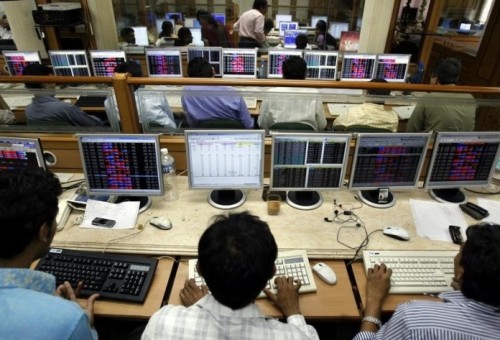
Indian equity markets are likely to make a negative start on Wednesday following mixed global market cues, as investors may remain cautious amid uncertainty over the U.S.-Iran peace deal. Additionally, sentiments may remain downbeat after Foreign Institutional Investors (FIIs) turned net sellers on May 26, 2026, with a net outflow of Rs 2,407.87 crore.
Some of the key factors to be watched:
India-Canada FTA talks can be concluded before year end target: Commerce and Industry Minister Piyush Goyal has said that officials of India and Canada are negotiating the proposed free trade agreement with full sincerity, and the talks could even be concluded before the end of this year, possibly by October.
India, US seal critical minerals and rare earths pact: The report has said that India and the United States signed a strategic agreement on critical minerals and rare earths, deepening cooperation in securing supply chains for key resources essential to semiconductors, electric vehicles, clean energy and defence technologies, amid growing global concerns over dependence on China-dominated supplies.
Fertiliser subsidy may cross Rs 3 lakh crore in FY27: Krishna Kant Pathak, joint secretary in the Department of Fertilizers, has said that India's fertiliser subsidy bill could cross Rs 3 lakh crore in the current fiscal if the disruptions resulting from the West Asia crisis prolong.
Banks deliver strong 15.90% annual growth: M Nagaraju, the secretary of the department of financial services under the finance ministry, said that India’s banking system -- both public and private sector-- was doing very well, recording 15.90 per cent annual growth.
SEBI to relax debt issuer disclosure norms, launch Bond Tokenisation Pilot: SEBI Chairman Tuhin Kanta Pandey has said that SEBI will review whether there is a need to relax disclosure norms for debt-only issuers in its efforts to deepen the corporate bond market. SEBI will launch a pilot on bond tokenisation to check if it helps in faster settlement of trades and more transparency.
Global front: The US markets ended mostly in green on Tuesday, led by technology, as traders weighed the prospects of a potential U.S.-Iran deal being reached to end the war. Asian markets are trading mixed on Wednesday, following the mixed cues from Wall Street overnight.
Back home, Indian equity benchmarks ended lower in a volatile trade on Tuesday amid heightened geopolitical tensions and a sharp rebound in crude oil prices following reports of fresh US military operations in southern Iran. Losses in heavyweight stocks such as Bharti Airtel, Trent and TCS also dragged markets lower. Finally, the BSE Sensex fell 479.26 points or 0.63% to 76,009.70 and the CNX Nifty was down by 118.00 points or 0.49% to 23,913.70.
Some of the important factors in trade:
RBI likely to avoid immediate monetary policy tightening despite mounting inflation risks: Rating agency Icra has said that the Reserve Bank of India (RBI) may hold off on tightening monetary policy for now despite mounting inflation risks from higher fuel prices and monsoon uncertainty.
West Asia crisis not just geopolitical issue, will result in higher fuel costs for common people: As prices of petrol and diesel were hiked for the fourth time in a span of 11 days, Union Finance Minister Nirmala Sitharaman has cautioned that the West Asia crisis is not just a geopolitical issue, but will result in higher fuel costs for common people and businesses, impacting shipping and supply chains.
Prolonged conflict to shave 200 bps off corporate profitability in FY27: Crisil Ratings said prolonged supply-chain disruptions due to the protracted conflict in West Asia could shave off corporate operating profitability by 200 basis points (bps) in the current fiscal year, but India Inc will remain resilient on the back of strong balance sheets.
Above views are of the author and not of the website kindly read disclaimer








Tag News
Market Round-up - 16th July 2026 by Motilal Oswal Wealth Mangement
More News
Daily Derivatives Report By Axis Securities Ltd