Monochrome Outfits for a Chic Look
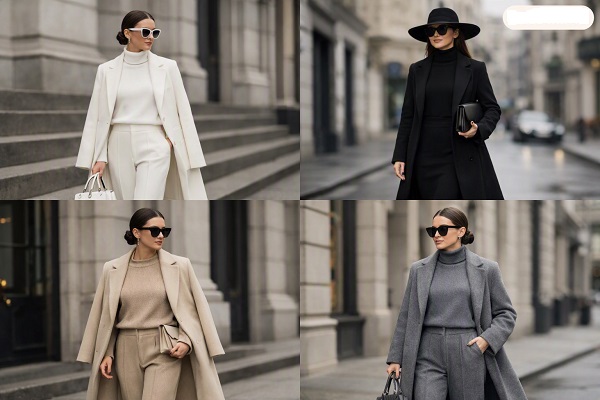
Monochrome fashion is one of the easiest ways to create a polished, sophisticated, and effortlessly stylish look. The idea is simple: build an outfit around different shades, tones, and textures of a single color. From classic black and white combinations to soft beige, pastel pink, or earthy brown looks, monochrome outfits can work for almost every occasion.
What Is Monochrome Fashion?
A monochrome outfit does not necessarily mean wearing exactly the same shade from head to toe. Instead, it involves combining different shades and tones within the same color family. For example, a beige top paired with cream trousers and tan shoes creates a beautiful neutral monochrome look.
This styling technique creates visual harmony and can make an outfit appear more coordinated and refined.
Classic Black Monochrome
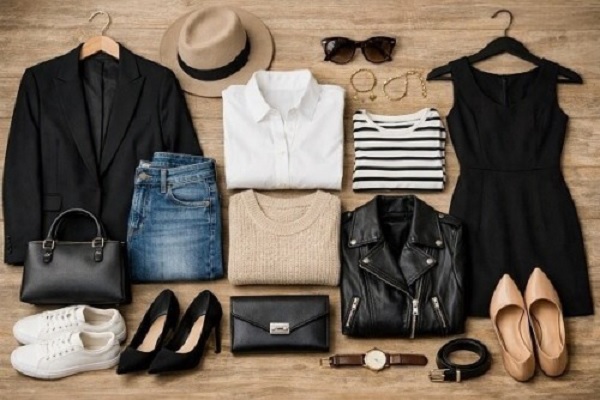
Black is perhaps the easiest color to style in a monochrome outfit. Try pairing a black fitted top with wide-leg trousers and a structured blazer. Add black heels or ankle boots for a sleek finish.
To prevent an all-black outfit from looking flat, experiment with different fabrics such as leather, cotton, satin, denim, or knitwear.
Elegant White and Cream
White, ivory, and cream shades create a fresh and sophisticated monochrome appearance. A cream blouse with tailored trousers and a white or beige handbag can be perfect for brunch, work, or a special occasion.
For an understated luxury-inspired look, choose clean silhouettes and minimal accessories.
Soft Beige and Brown
Neutral shades such as beige, camel, tan, and chocolate brown are excellent choices for creating an elegant everyday outfit. Try a beige sweater with camel trousers and brown loafers.
This color combination is particularly suitable for autumn and winter styling, but lighter shades can easily be worn throughout the year.
Monochrome in Pastel Shades
Monochrome styling does not have to be limited to neutral colors. Pastel shades can create a feminine and playful appearance. Consider combining a lavender top with a slightly darker purple skirt or trousers.
Soft pink, powder blue, mint green, and peach are other beautiful options for creating a subtle monochrome outfit.
Play With Textures
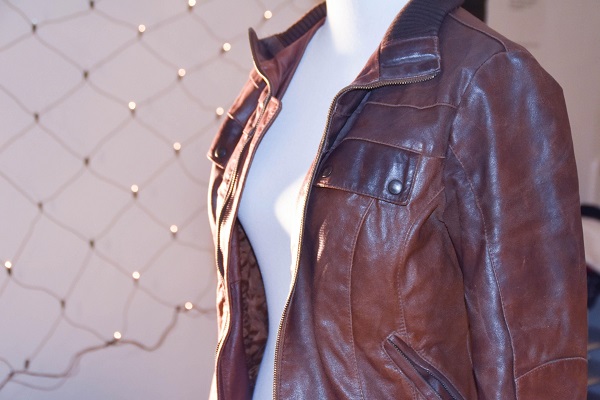
One of the best ways to make monochrome dressing interesting is to combine different textures. Pair a knitted sweater with satin trousers, a denim jacket with cotton pants, or a leather bag with a soft wool outfit.
Different textures add depth to the look while keeping the color palette consistent.
Choose the Right Accessories
Accessories can either complement or elevate a monochrome outfit. Choose shoes, handbags, belts, and jewelry in the same color family for a coordinated appearance.
If the outfit is already bold or textured, keep accessories minimal. Simple gold or silver jewelry can add an elegant finishing touch.
Monochrome for the Office
Monochrome outfits are particularly suitable for professional settings because they naturally look organized and polished. Try a navy blouse with tailored navy trousers and a structured blazer.
Neutral monochrome outfits in black, beige, grey, brown, or cream can also create a sophisticated office wardrobe.
Monochrome for Casual Days
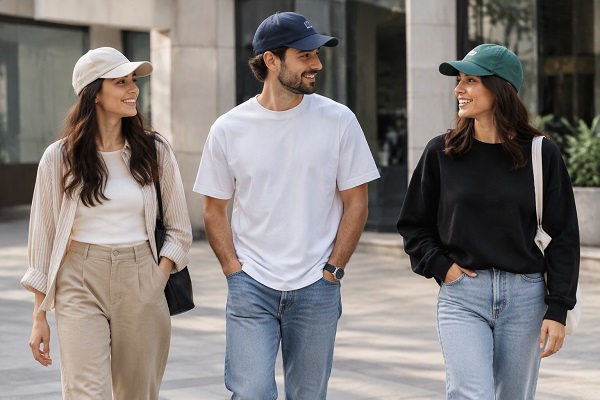
For a relaxed look, combine a simple T-shirt with jeans or trousers in a similar shade. Add sneakers and a crossbody bag for a comfortable yet fashionable outfit.
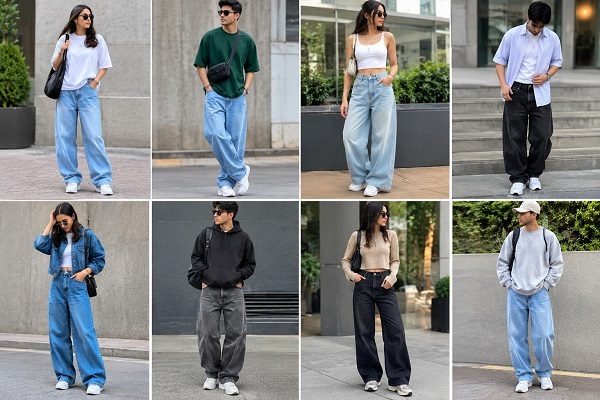
A tonal denim look, such as a light-blue shirt with medium-blue jeans, is an easy option for everyday wear.
Final Thoughts
Monochrome outfits prove that stylish dressing does not always require bold prints or complicated combinations. By choosing one color family and experimenting with shades, textures, silhouettes, and accessories, you can create looks that feel sophisticated and effortless.
Whether you prefer classic black, elegant neutrals, soft pastels, or rich earthy tones, monochrome dressing is a versatile fashion technique worth adding to your wardrobe.